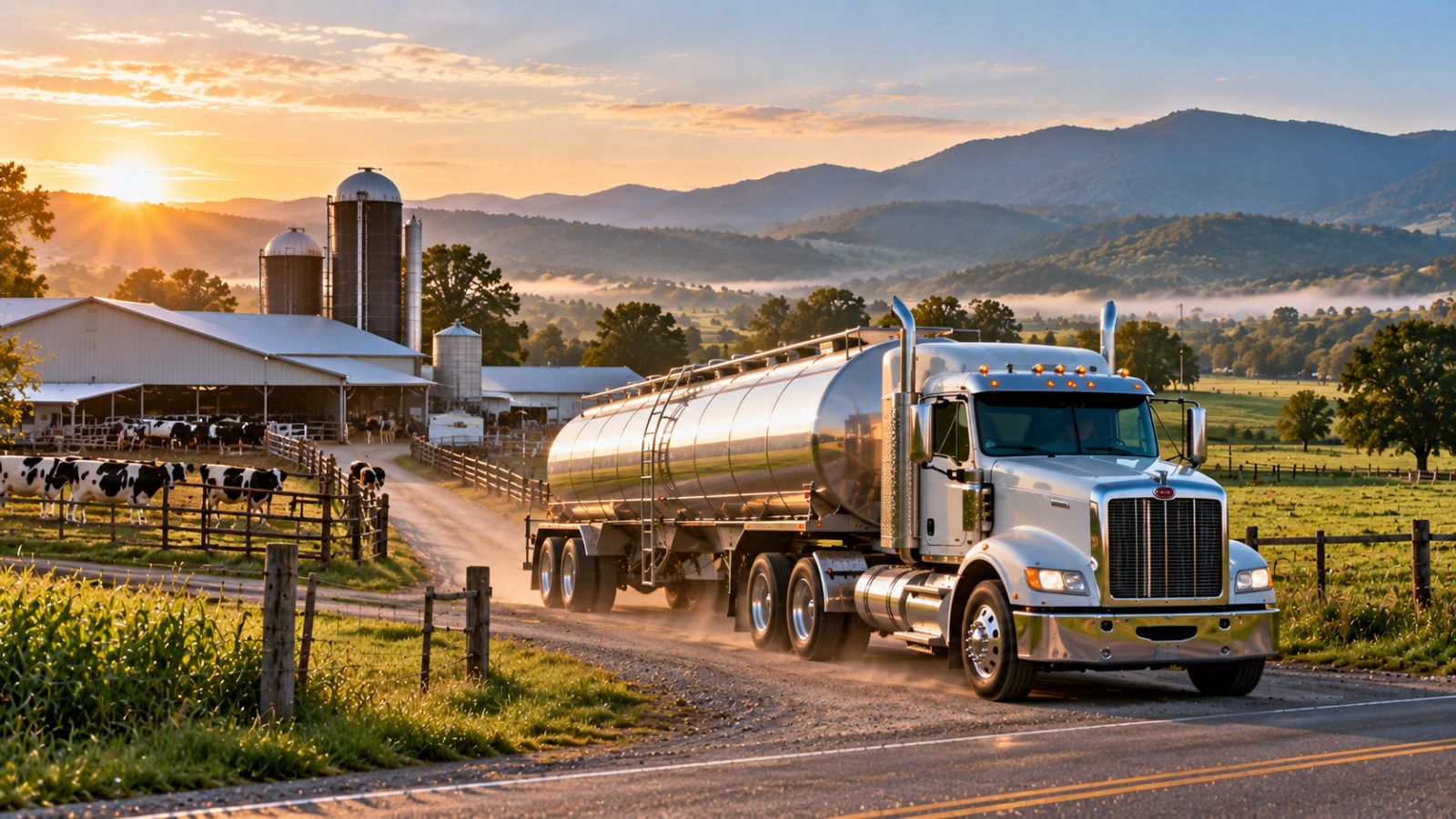
Milk Hauling Insurance in Virginia
Milk hauling in Virginia is different from hauling ordinary freight.
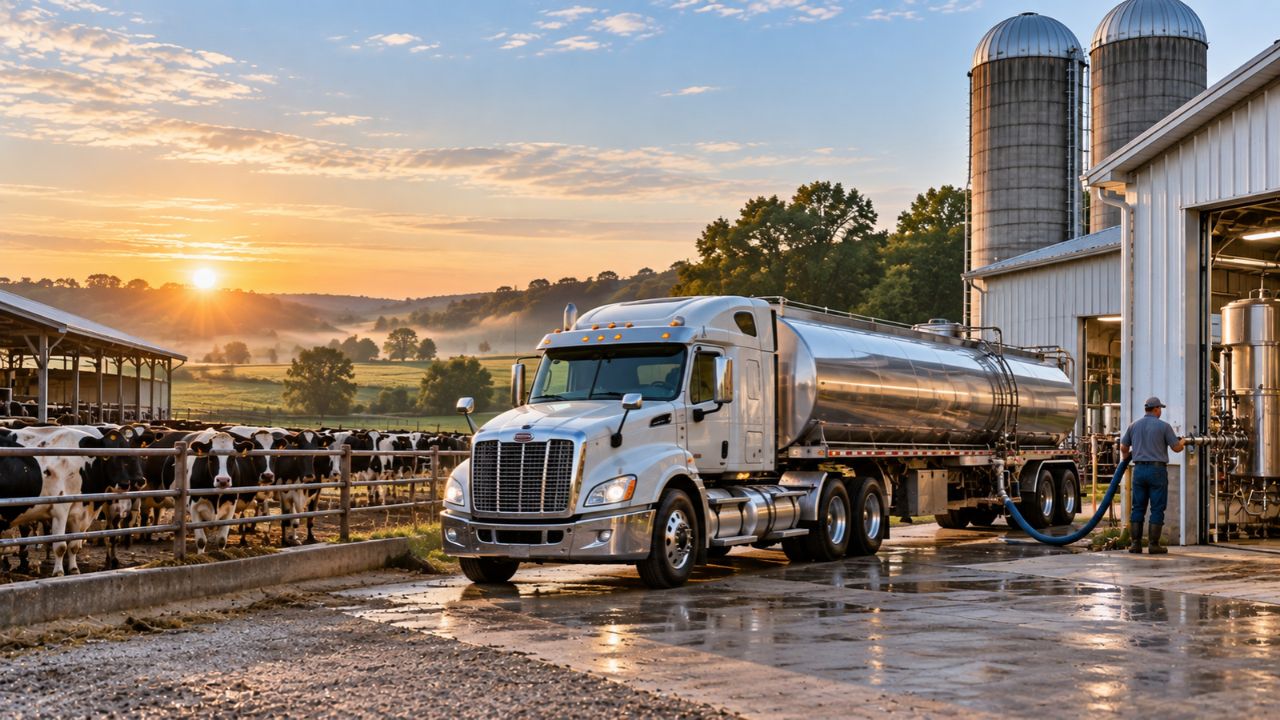
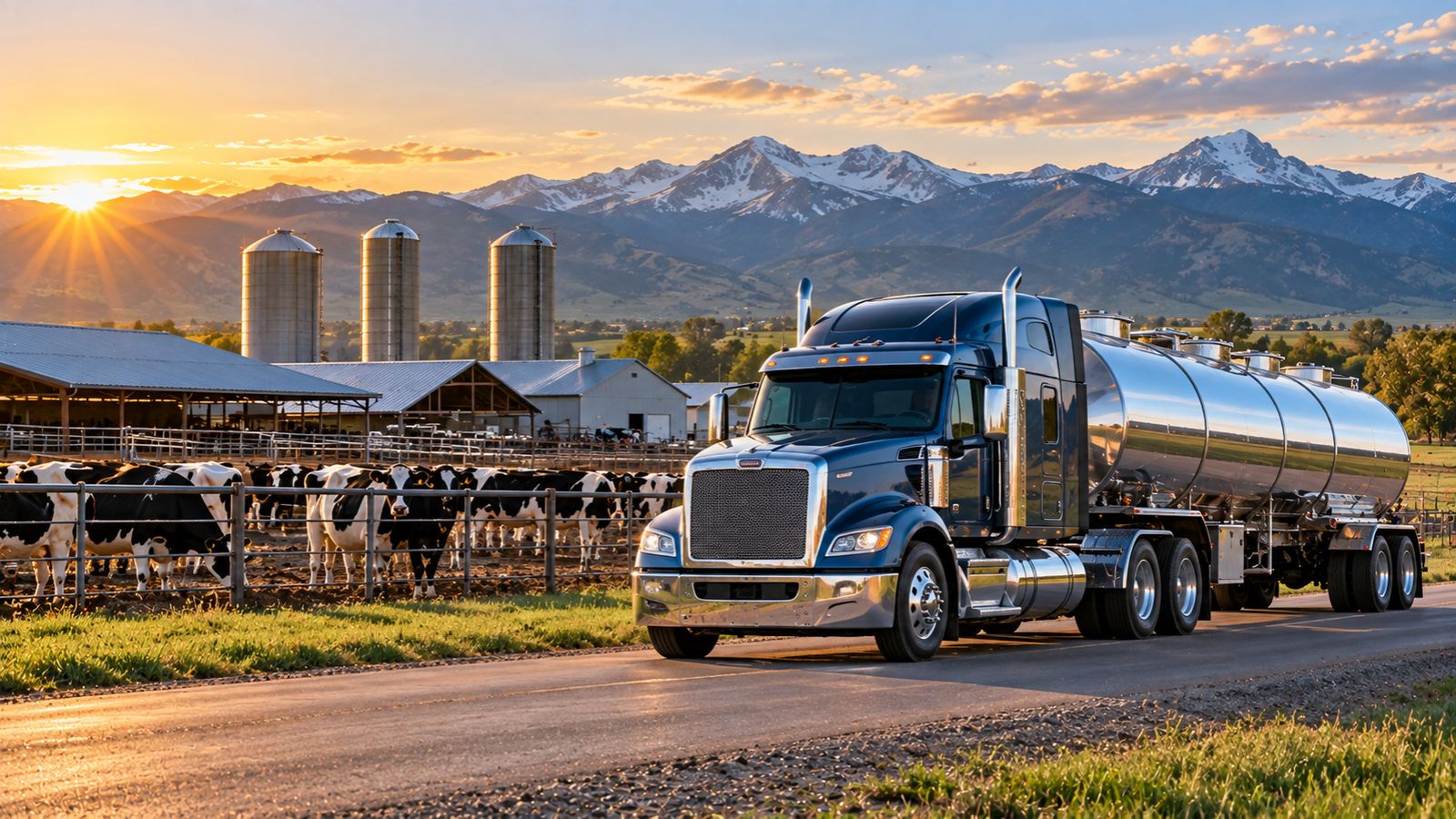
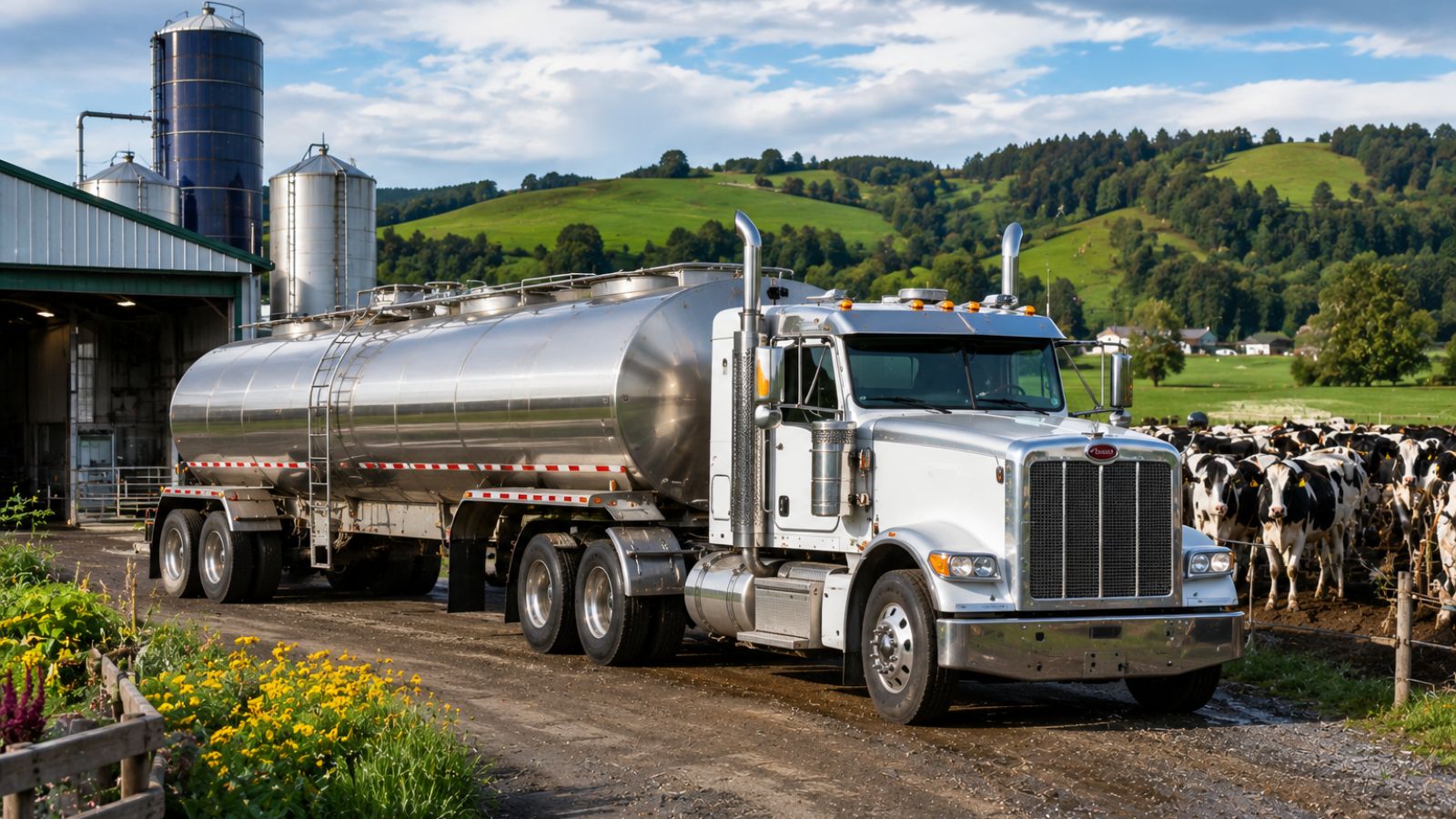
Drivers move raw milk from dairy farms to processing facilities using specialized food-grade tankers. Routes can include narrow farm roads, rolling terrain, mountain grades, and busy highways.
Your insurance needs to account for the truck, tanker, milk cargo, and the risks that come with hauling liquid loads.
What Coverage Do Virginia Milk Haulers Need?
Depending on your operation, coverage may include:
- Commercial auto liability
- Motor truck cargo
- Tractor physical damage
- Milk tanker physical damage
- General liability
- Towing and recovery
- Pollution or cleanup coverage
Make sure the insurance company knows you’re hauling raw milk in a food-grade tanker.
Milk Cargo Insurance
A rejected tanker load can become an expensive problem.
Accidents may result in spilled, damaged, or unusable milk. Other situations can involve contamination or temperature concerns.
Ask your agent specifically about:
Milk spills • Contamination • Spoilage • Rejected loads • Cleanup • Disposal
Not every cargo policy handles these losses the same way.
Milk Tanker Insurance
Stainless-steel dairy tankers are specialized equipment and can be expensive to repair.
Physical damage coverage can help protect a scheduled tanker against covered losses such as:
Collision • Rollover • Fire • Theft • Wind • Hail
Pumps and permanently installed equipment should also be discussed when setting up coverage.
Virginia Roads Create Different Risks
Virginia milk routes can look very different depending on where the dairy is located.
A truck operating through the Shenandoah Valley may deal with rolling roads, curves, elevation changes, and rural farm entrances. Other routes may eventually connect with heavily traveled highways on the way to a processing facility.
Weather adds another concern.
Fog, heavy rain, winter conditions, and reduced visibility can make early-morning dairy pickups more challenging.
Liquid Surge and Tanker Handling
Milk moves inside the tanker as the truck accelerates, brakes, and turns.
That movement can affect vehicle stability, especially when the tanker is partially loaded.
Experienced drivers need to account for liquid surge when:
Braking • Cornering • Descending grades • Entering farm roads • Maneuvering around dairy facilities
Tanker experience can also matter to insurance companies when evaluating drivers.
Example: Milk Tanker Rollover
A driver picks up raw milk from a Virginia dairy farm and heads toward the processing plant.
On a wet, curving road, the tanker leaves the roadway and rolls.
The loss could involve:
Tractor damage. Tanker damage. Lost milk. Towing. Recovery. Cleanup.
If milk, diesel fuel, oil, or other vehicle fluids reach a ditch or drainage area, cleanup can become another part of the loss.
One accident may involve several different insurance coverages.
Farm Pickup Risks
Not every milk hauling claim happens on the highway.
Drivers regularly maneuver around dairy barns, bulk tanks, loading areas, farm equipment, gates, and narrow driveways.
Before leaving a farm, drivers should check hoses, connections, tanker equipment, tires, lights, and the surrounding area.
Small mistakes at the pickup point can become expensive claims.
DOT Compliance Matters
Milk haulers should pay close attention to driver qualifications, tanker requirements, vehicle inspections, brakes, tires, lighting, and maintenance.
Agricultural exemptions may apply to certain operations under specific circumstances, but they should not be assumed to apply to every trip.
Interstate routes may also create additional federal requirements.
How Much Does Milk Hauling Insurance Cost in Virginia?
There is no standard price.
Insurance companies may consider:
Driver experience • Tanker experience • DOT history • Claims • Operating radius • Tractor value • Tanker value • Cargo limits • Number of trucks
A local farm-to-plant operation may be evaluated differently from a dairy hauling fleet operating throughout Virginia and neighboring states.