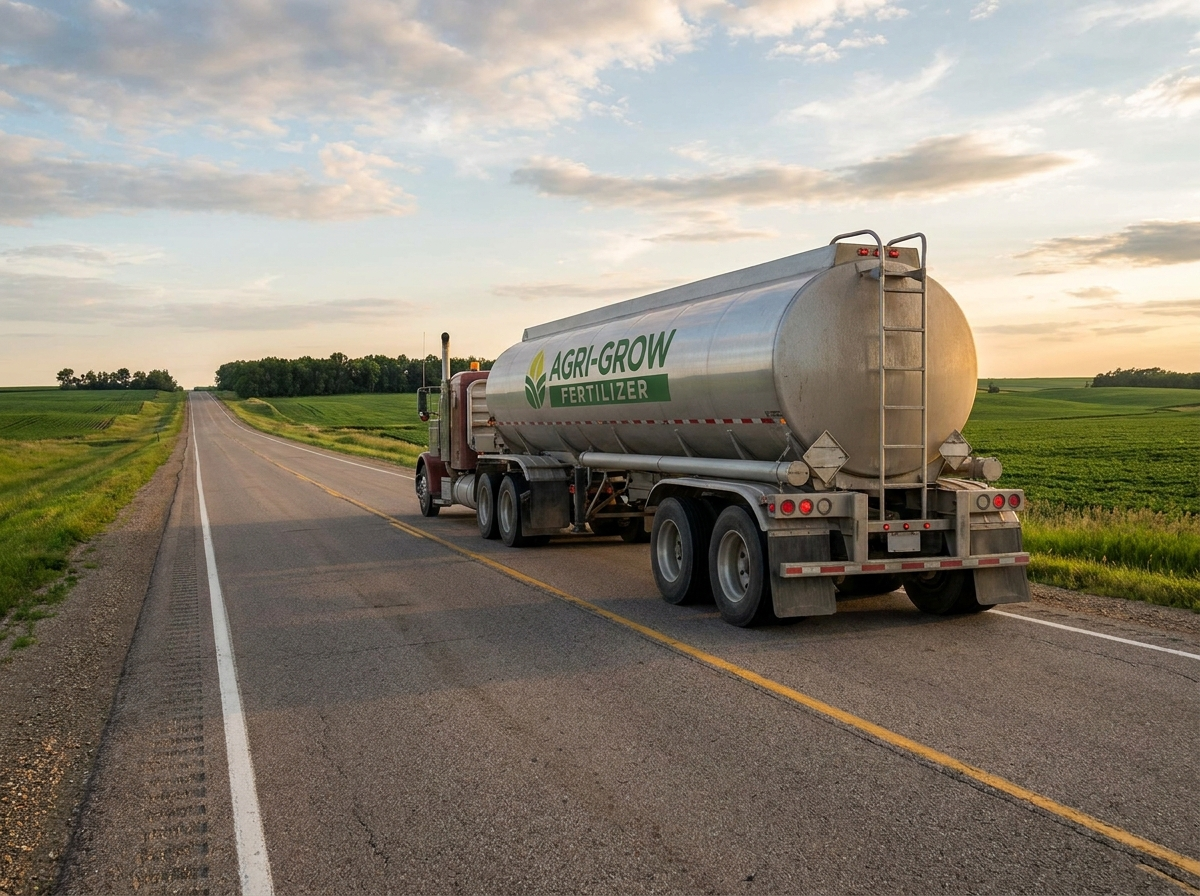
Pollution liability covers what happens when something leaks, spills, or releases into the environment. Diesel coming out of a saddle tank in a rollover. Anhydrous ammonia venting off a nurse tank. Liquid fertilizer flowing into a ditch from a damaged trailer. Manure from a livestock pot in a wreck. Any of those events trigger pollution exposure, and a standard auto liability policy will not pay.
Most commercial auto policies have a hard pollution exclusion. There are some narrow exceptions for unintentional discharge from a covered wreck, but they are limited and capped. For real ag trucking operations carrying fuel, fertilizer, chemicals, or live animals, pollution liability is a separate coverage that has to be in place before the spill happens.
The cost of a real spill cleanup can be staggering. Cleanup, soil remediation, water testing, regulatory fines, third-party damages, and legal defense all add up fast. A single anhydrous release in a ditch can run into the low six figures before anyone breaks ground. Pollution liability is the policy that pays for it.
What It Covers
Cleanup costs from a covered spill
Soil excavation, hazmat contractors, environmental remediation, removal of contaminated material. The work that has to happen at the spill site after a release.
Third-party bodily injury from pollution
If a release hurts people, the medical bills and lawsuits go under pollution liability, not auto liability.
Third-party property damage from pollution
Neighboring farmer's crops killed by a fertilizer spill. Contamination of a private well. Damage to crops or land owned by someone else.
Government-ordered cleanup
When a state environmental agency or EPA opens a file and demands cleanup, pollution liability handles the compliance and cleanup cost.
Legal defense
Lawyers, expert witnesses, regulatory hearings. Defense costs are typically inside the limit on pollution policies, which is one reason limits need to be set with care.
Emergency response costs
First responders, hazmat teams, containment booms, traffic control. The immediate cost of getting the scene under control after a spill.
Loss of natural resources
Fish kills, contamination of public waterways, damage to wildlife habitat. Some states aggressively pursue these claims after agricultural spills.
What It Does Not Cover
No policy covers everything. Here is what falls outside a standard pollution liability policy so you know where the gaps are.
Damage to your own truck or trailer
Your truck or trailer damaged in the wreck that caused the spill is physical damage, not pollution.
Loss of the cargo itself
The spilled fertilizer is a cargo claim, not a pollution claim. Pollution covers the cleanup of the spilled product, not the value of the lost product.
Intentional or knowing violations
Dumping waste on purpose, ignoring known leaks, or operating without required permits. Carriers will deny intentional acts.
Mold and indoor air quality (usually)
Most ag-focused pollution policies exclude indoor mold. Different policy form needed for that exposure.
Pollution from products after delivery
Once the load is unloaded and accepted, pollution from the product belongs to the receiver, not the carrier. Some endorsements extend coverage briefly after delivery.
Workers compensation exposures
Employee injury from a spill goes under workers comp, not pollution.
Coverage Limits and Options
$1,000,000 per occurrence and aggregate is the most common entry-level limit for ag haulers carrying fuel and standard agricultural commodities.
$2,000,000 to $5,000,000 is appropriate for liquid fertilizer haulers, anhydrous haulers, and operations with on-site fuel storage. Anhydrous releases in particular can blow through smaller limits.
Self-insured retention (SIR) vs deductible: pollution policies often use an SIR, which means the insured pays the first dollar amount before the carrier defends or pays. SIRs typically run $2,500 to $25,000. Deductibles work similarly but the carrier defends from the start. We help you pick the right structure.
CA-9948 endorsement on a commercial auto policy provides limited pollution coverage for sudden and accidental discharge during a wreck. It is not a substitute for a standalone pollution liability policy. It is a narrow extension that handles the simplest spill scenarios only.
Site pollution coverage for shop locations and on-site fuel tanks is usually a separate form from transit pollution coverage. Make sure both are in place if you have on-site exposures.
Real Claim Scenarios
Dollar amounts are typical ranges based on industry claim data, not specific cases.
Diesel spill from a wreck
Saddle tanks ruptured in a single-vehicle rollover. 80 to 120 gallons of diesel into the ditch. Cleanup, soil removal, ditch restoration. Total cost $25k to $80k. Sudden and accidental endorsement on the auto policy may handle the basic cleanup. Anything complicated and pollution liability takes over.
Liquid fertilizer spill into a county creek
Nurse tank trailer failed in a wreck. 2,000 gallons of UAN into a ditch and downstream into a creek. State DEQ on scene within hours. Cleanup, water testing, fish kill assessment, third-party damage claims from downstream farmers. Total cost $200k to $750k+.
Anhydrous release at a farm yard
Nurse tank pressure relief vented in the yard during a transfer. Limited cleanup, but mandatory state report and inspection. Total cost $15k to $50k including monitoring and reporting costs.
On-site fuel tank leak
Above-ground tank at the shop develops a slow leak over months. Discovered during a routine inspection. Soil contamination under and around the tank. Excavation, replacement, soil disposal. Total cost $40k to $150k. Site pollution coverage handles this. Transit pollution coverage does not.
Manure spill from a rolled livestock pot
Pot rollover in a ditch. Animals removed, then ditch cleanup for blood and manure runoff. State requires soil restoration and water testing. Total cost $20k to $60k.
What Affects the Cost
Frequently Asked Questions
Doesn't my commercial auto policy already cover spills?
Only partially. Standard commercial auto has a hard pollution exclusion. The CA-9948 endorsement adds back limited coverage for sudden and accidental discharge from a covered auto accident, but the limit is usually $25k to $50k and it does not cover gradual leaks, on-site spills, or anything outside a wreck. Real spill exposure needs a standalone pollution policy.
Is anhydrous ammonia covered like other agricultural chemicals?
Anhydrous is more aggressively underwritten than most ag chemicals because of the inhalation hazard and the public-safety exposure. Some carriers will not write anhydrous at all. Operations hauling anhydrous need specialist carriers and usually need higher limits.
What is the difference between transit pollution and site pollution?
Transit pollution covers releases during transportation. Site pollution covers releases at a fixed location, like a shop or yard. Most operations need both, though some standalone policies combine them.
Can the cleanup cost exceed the limit?
Yes. Major spills can run into the millions. A $1M limit on a liquid fertilizer hauler is sometimes not enough. Liquid fertilizer and anhydrous haulers should carry $2M or higher, and operations with substantial exposure should consider $5M plus umbrella.
Does pollution coverage handle EPA Superfund liability?
In a limited way. CERCLA (Superfund) claims can attach to past activities or contamination found later. Most standard pollution policies cover claims first made during the policy period for releases during or after policy inception. Tail coverage and prior acts coverage matter for operations buying for the first time.
What about pollution from a leased truck or trailer?
Pollution policies generally follow operations, not specific units. As long as the activity is covered, the leased or rented equipment is usually covered. Confirm with us when quoting if leased equipment is part of the picture.