Motor truck cargo is the coverage on what you are hauling. Grain, livestock, milk, fertilizer, hay, feed, produce, harvested crops. If the load is damaged, contaminated, spoiled, or lost while it is in your custody, cargo coverage is what pays the shipper or owner.
Most ag haulers carry it because they have to. Elevators want proof of $100,000 minimum before they load you. Brokers want a cargo certificate before they tender a load. Some shippers want $250,000 or higher. Cargo coverage is the policy that gets you on the dock and gets you paid.
A good cargo policy lines up with the type of cargo you actually run. A grain hauler does not need the same form as a refrigerated produce hauler. A livestock pot needs live-animal coverage that a dry cargo policy will not provide. The right policy is the one that covers your actual operation, not the cheapest certificate you can buy.
What It Covers
Collision and overturn damage to cargo
You roll a hopper bottom and the grain ends up in the ditch. The grain in the ditch is a cargo claim. The trailer is a physical damage claim. Two coverages, one event.
Fire and theft of cargo
Trailer catches fire and the load is destroyed. Cargo gone. Or the rig is stolen with a loaded trailer attached. Cargo policies cover the load.
Spoilage from refrigeration breakdown
For reefer loads. Compressor fails, temperature climbs, produce or milk spoils. A cargo policy with reefer breakdown coverage pays for the load.
Livestock mortality from a covered cause
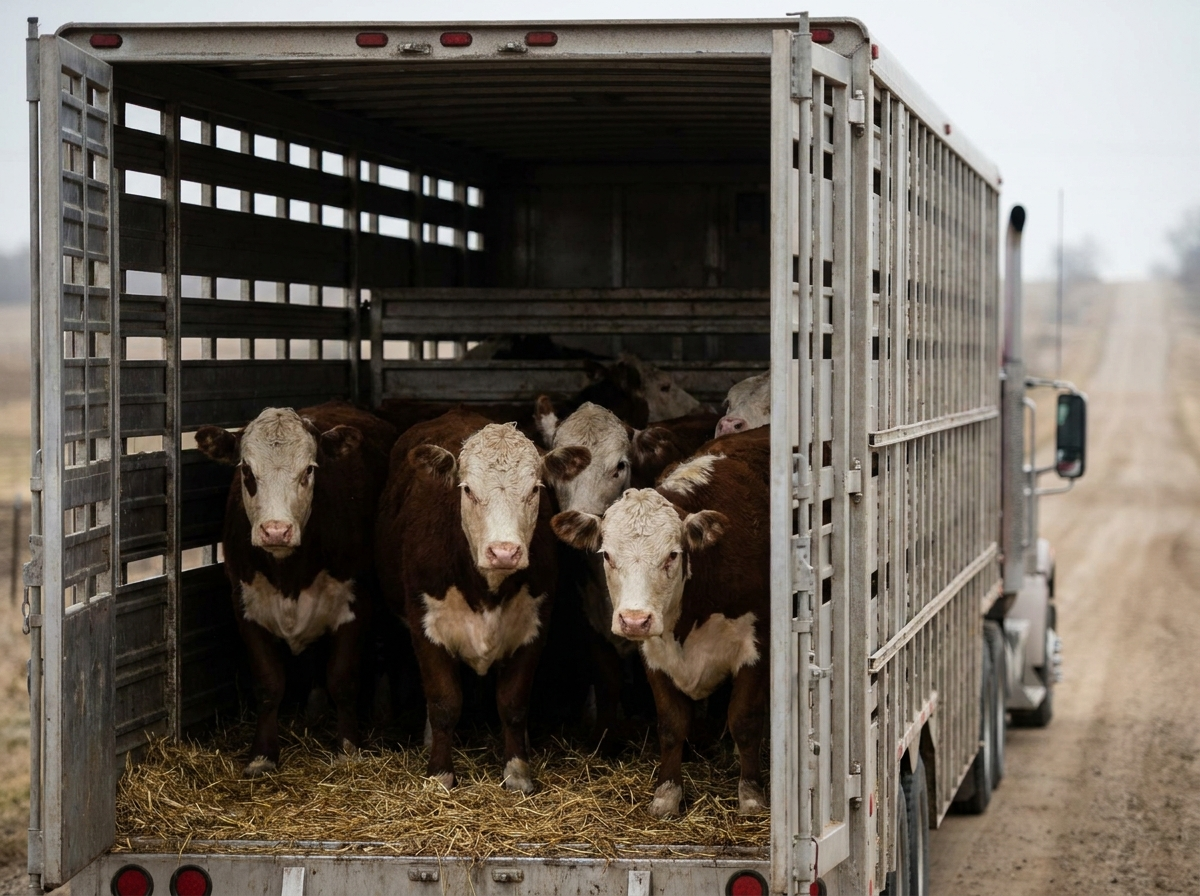
Wreck, suffocation from extended delay, heat stress in summer with the load stuck on the side of the road. Livestock cargo coverage handles death of animals from covered events.
Contamination and infestation
Grain contaminated by residue in the trailer from a prior load, fertilizer contamination, foreign material in feed. Cargo policies cover contamination claims if the right endorsement is on the policy.
Wetting, leakage, and water damage
Grain getting wet through a torn tarp or a damaged trailer roof. Hay getting soaked. Most cargo forms cover this when it stems from a covered cause.
Debris removal and pollution cleanup
After a wreck, getting the spilled grain or fertilizer cleaned up. Most cargo policies include a debris removal sublimit. Pollution cleanup beyond that needs pollution liability.
What It Does Not Cover
No policy covers everything. Here is what falls outside a standard motor truck cargo policy so you know where the gaps are.
Damage you cause to your own goods
If you own the cargo and you move it under your own trucks, claims work differently. Most cargo policies cover for-hire hauling. Private carriage of your own goods may need an inland marine or property policy instead.
Mechanical breakdown without spoilage
If the truck breaks down and the load arrives late but undamaged, that is a service issue, not a cargo claim. Cargo only pays when the product itself is damaged.
Improper loading by the shipper
If the shipper loads the trailer wrong and the product shifts and damages itself before you ever pull out, the carrier may deny the claim. Carriers expect the shipper to load properly. Document loading practices when in doubt.
Inherent vice
Cargo that is going to deteriorate on its own regardless of what you do. Overripe produce loaded for a long haul. Hay baled too wet that combusts. Carriers look for inherent vice as a denial reason.
Hazmat outside the policy declarations
If you haul hazmat occasionally without disclosing it, the carrier can deny the claim. Hazmat haulers need the right endorsements and the right form.
Auto liability and physical damage exposures
Damage to other people or other property goes under auto liability. Damage to your own truck goes under physical damage. Cargo only covers the load.
Coverage Limits and Options
$100,000 is the most common minimum. Elevators, co-ops, and grain shippers usually require at least this much. Light loads of grain, hay, and feed are often fully covered at this limit.
$250,000 to $500,000 is normal for fertilizer haulers, livestock haulers, and any high-value cargo. A full load of feeder cattle can be worth $250,000+ all by itself, so the cargo limit needs to match what you actually move.
$1,000,000 or higher shows up on fresh produce reefer loads, premium meats, and certain liquid fertilizer or chemical loads. Single produce loads can easily run $50,000 to $100,000, but high-end product or partial loads can push higher.
Reefer breakdown coverage is a separate sublimit on most policies. Standard limits run $10,000 to $50,000. If you run refrigerated produce, push the reefer breakdown sublimit up to match the value of the loads you carry.
Debris removal sublimit usually sits at $5,000 to $25,000 included on the policy. For grain and fertilizer haulers, push it higher. Cleanup costs after a hopper rollover can easily eat through $10,000.
Real Claim Scenarios
Dollar amounts are typical ranges based on industry claim data, not specific cases.
Grain hopper rollover with spill
A loaded hopper bottom rolls in a ditch. Twenty-five tons of corn in the dirt and standing water. Cargo claim covers the lost grain at market value, typically $10k to $20k per load. Debris removal adds another $4k to $12k.
Reefer breakdown on a produce run
Compressor fails 200 miles from the receiver on a load of strawberries. Trailer temperature climbs and 80 percent of the load is rejected. Cargo claim covers the rejected value, typical range $35k to $75k depending on the load.
Livestock mortality from heat and delay
A cattle pot breaks down on a hot July afternoon. Two head die in the trailer before the load can be transferred. Cargo claim covers the value of the lost animals, typical range $4k to $12k depending on weight class and market.
Milk tanker spill at the plant
Tanker valve fails at the receiving plant and a partial load spills. Lost product plus cleanup. Cargo claim covers the milk value (typical $8k to $15k for a partial). Cleanup beyond debris removal sublimit can trigger pollution liability.
Contaminated feed delivery
A bulk feed trailer is not properly cleaned between loads. Residue from a prior load contaminates the next delivery and the receiving dairy rejects it. Cargo claim covers the load value, typical range $6k to $14k.
What Affects the Cost
Frequently Asked Questions
Do I need cargo insurance if I haul my own grain?
Maybe. If you carry your own grain on your own trucks (private carriage), traditional motor truck cargo may not be the right product. Inland marine on the grain or a stock throughput policy might cover the inventory in transit better. Tell us how the operation is structured and we will figure out the right form.
What is the difference between named perils and all-risk cargo?
Named perils only covers what the policy lists, usually fire, collision, theft, and a short list of other events. All-risk (open-perils) covers everything except what is specifically excluded. All-risk is broader and what most ag haulers should carry.
Will my cargo policy cover trailer interchange cargo?
If you pull a trailer that someone else owns under an interchange agreement, the cargo inside is usually covered the same as your own cargo. Confirm the policy form. Some forms restrict coverage to owned and scheduled trailers.
What happens if the shipper underdeclares the load value?
If the policy limit is below the actual load value, the cargo claim is capped at the policy limit. Anything above is on you, and you may end up arguing with the shipper about declared value vs actual value. Carry cargo limits that match the highest-value load you actually run.
Does cargo cover lost or stolen partial loads from a multi-stop run?
Yes, as long as the loss happens during transit and is from a covered cause. Document each stop and the BOL adjustments so the claim can be reconciled.
How does motor truck cargo differ from inland marine?
Motor truck cargo is specifically for for-hire trucking and follows BMC-32 or BMC-34 standards. Inland marine is broader, used for goods in transit by any means, including private carriage, warehouse storage, and project cargo. Most ag haulers need cargo, but some larger operations carry both.