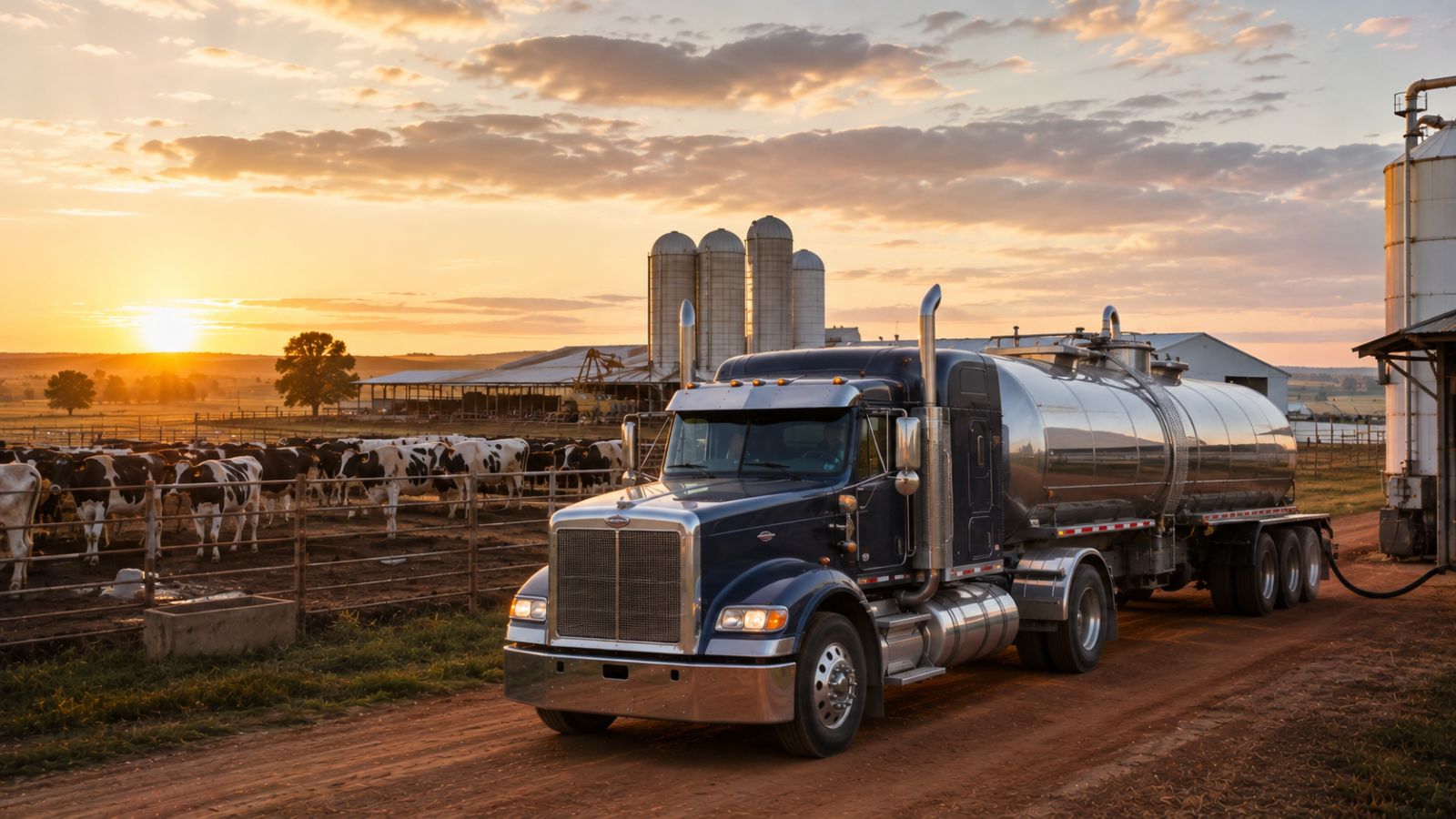
Milk Hauling Insurance in Oklahoma
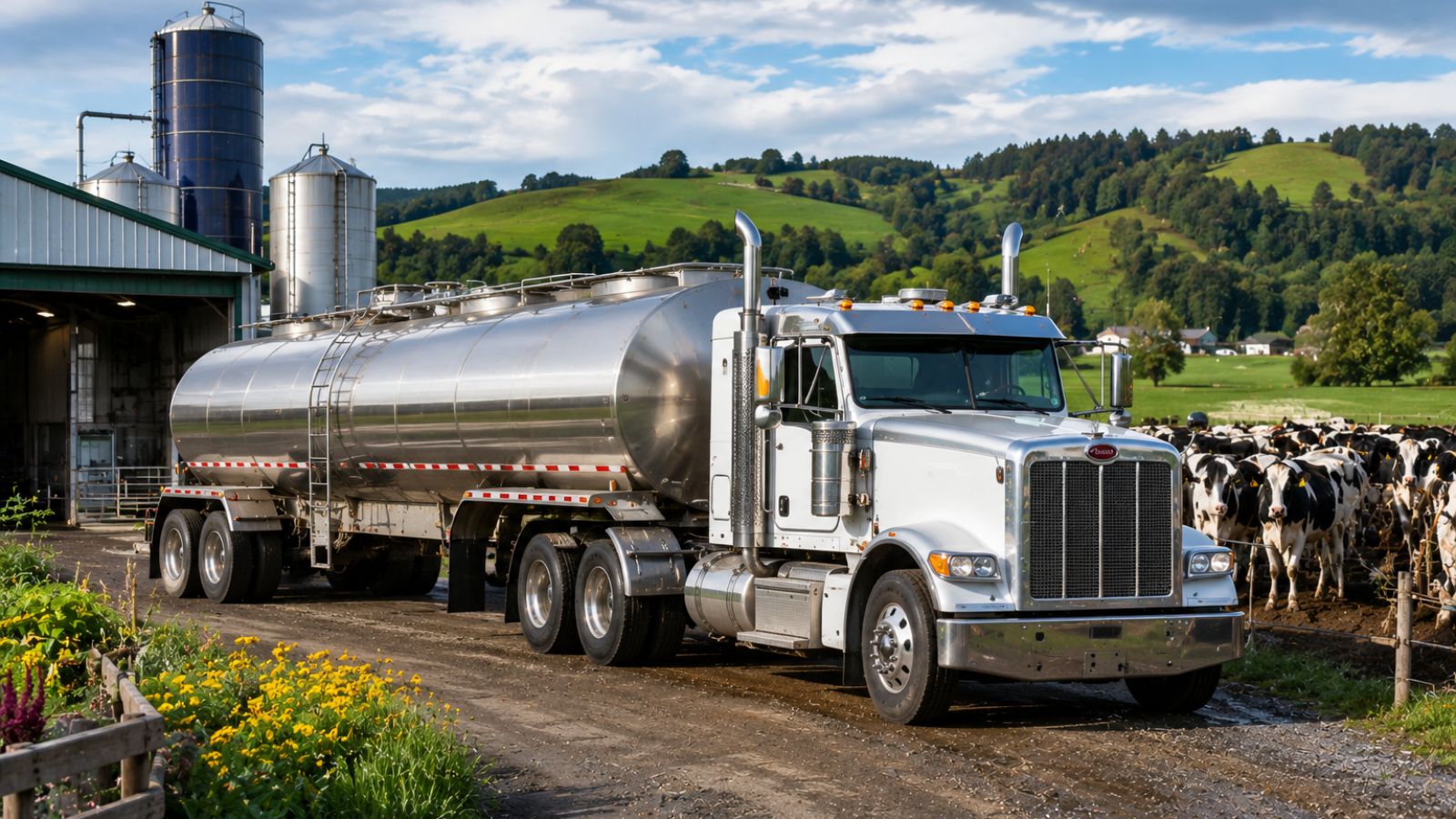
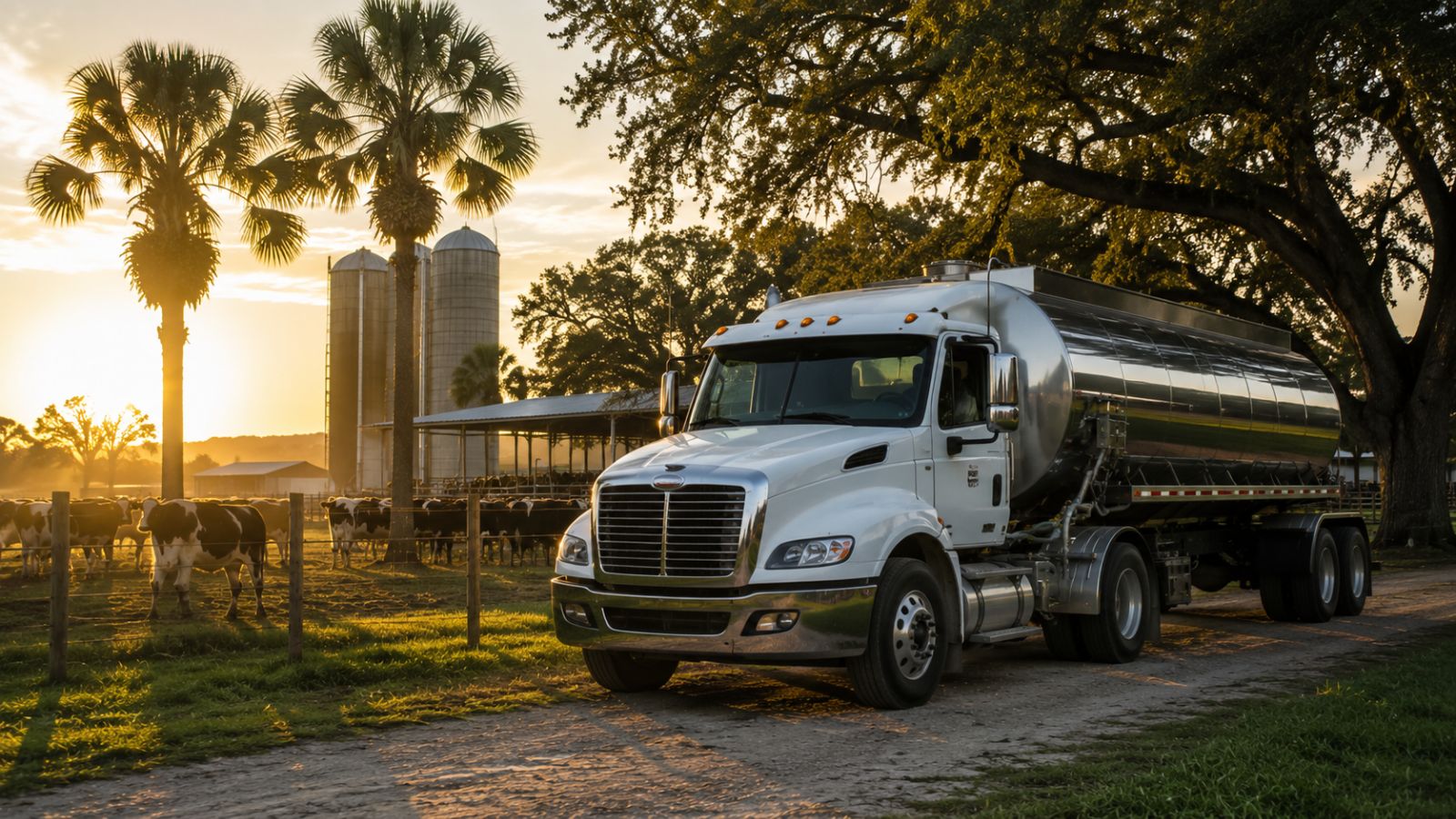
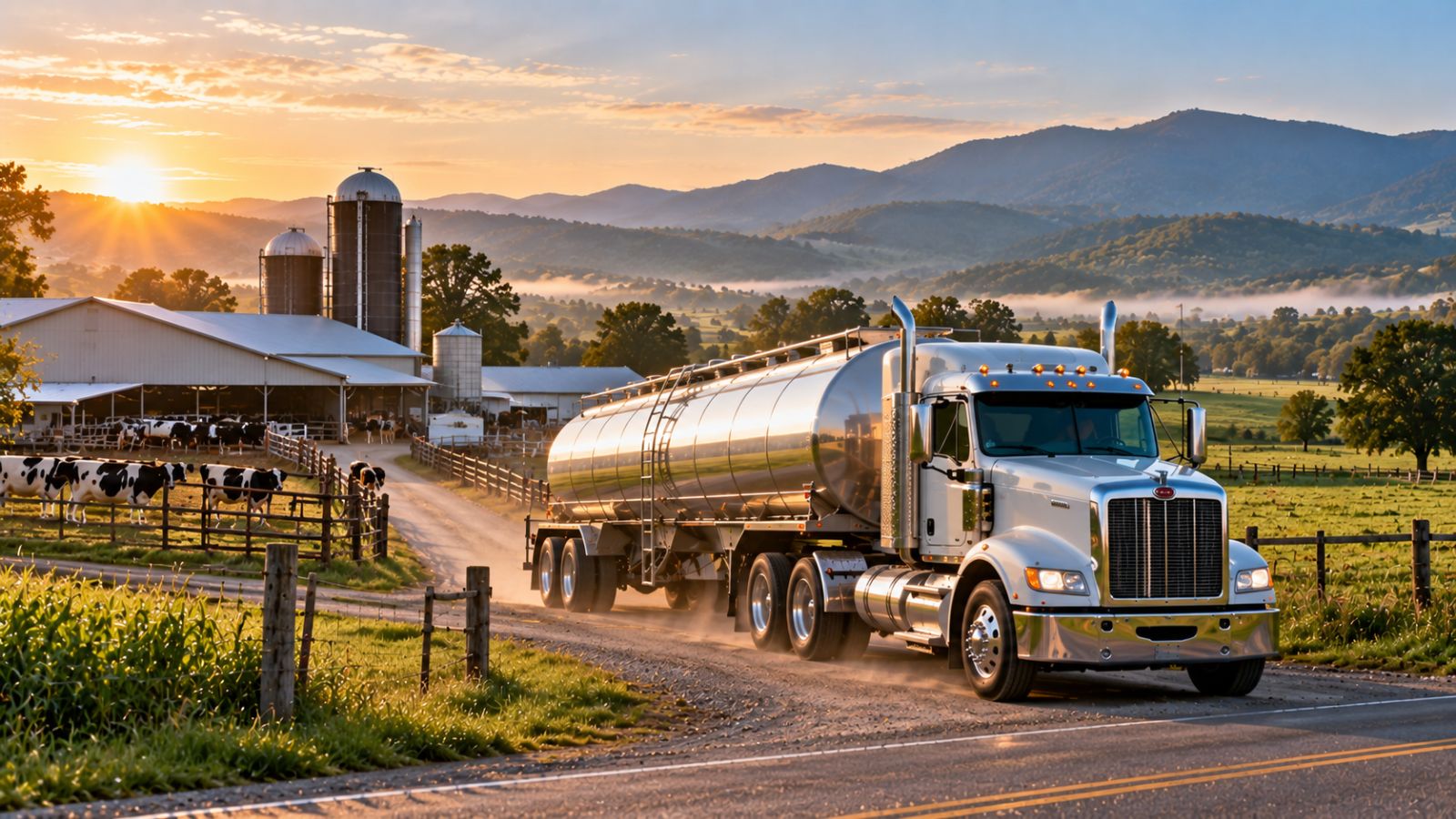
Oklahoma dairy farms depend on trucks to move raw milk from the farm to processing facilities safely and on schedule. Milk hauling insurance in Oklahoma needs to protect more than the tractor. Stainless-steel tanker trailers, perishable cargo, contamination concerns, spills, and demanding dairy routes all create exposures that ordinary freight operations don’t face.
Whether you run one milk tanker or manage a fleet, your insurance should reflect the equipment you operate and the product you’re actually hauling.
Why Milk Hauling Has Different Insurance Risks
Milk hauling isn’t the same as pulling a dry van or hopper bottom.
Raw milk is a perishable food product. A serious accident can damage the tractor and tanker while destroying an entire load. Other incidents can involve contamination, temperature problems, equipment failure, or a rejected load.
One claim can potentially involve the truck, tanker, cargo, cleanup costs, and liability to other parties.
That’s why Oklahoma dairy haulers should pay close attention to the actual coverage inside their policy rather than simply looking at the certificate of insurance.
Cargo Insurance for Raw Milk
Motor truck cargo insurance is especially important for milk haulers, but not every cargo policy treats raw milk the same way.
Imagine a tanker has a mechanical problem while loaded. The milk eventually reaches the processor, but the load is rejected because it no longer meets the required standards.
Is the milk covered?
That depends on what caused the loss and what the cargo policy says.
Some policies can contain exclusions or limitations involving temperature change, contamination, delay, mechanical failure, or deterioration. A cargo policy showing a $100,000 limit doesn’t necessarily mean every $100,000 milk loss is covered.
Ask specifically how the policy treats the losses your operation could realistically experience.
Important Insurance Coverage for Oklahoma Milk Haulers
Commercial Auto Liability
Commercial auto liability helps protect your business when you’re legally responsible for covered bodily injury or property damage resulting from an accident.
Milk tankers are heavy vehicles, particularly when fully loaded. Rural intersections, highways, farm entrances, and changing Oklahoma weather all increase liability exposure.
Physical Damage Coverage
Physical damage insurance helps protect your tractor against covered collision and comprehensive losses.
Equipment values should be reviewed regularly so the amount shown on your policy accurately reflects the truck you’re operating.
Milk Tanker Trailer Insurance
A food-grade stainless-steel tanker can represent a major investment.
Make sure the tanker is properly included in your insurance program and insured at an appropriate value. Depending on the policy, physical damage coverage can respond to covered losses such as collisions, rollovers, theft, fire, and certain weather events.
Motor Truck Cargo Insurance
Cargo insurance can protect raw milk against covered losses while it’s in your care.
When comparing policies, look beyond the cargo limit. Review exclusions involving spoilage, contamination, temperature change, delay, and equipment breakdown.
Pollution Liability
A tanker rollover can release thousands of gallons of milk.
Cleanup and environmental response costs can become significant, and standard commercial auto or cargo coverage may not address every pollution-related expense.
Milk haulers should review whether pollution liability or appropriate pollution endorsements are needed for their operation.
Oklahoma Weather Creates Additional Challenges
Oklahoma truckers know how quickly the weather can change.
Milk haulers may encounter severe thunderstorms, high winds, hail, extreme summer temperatures, tornado conditions, and winter ice.
Unlike some commodities, dairy transportation runs on a demanding schedule. Milk needs to be picked up and delivered regularly, even when conditions aren’t ideal.
That makes preventive maintenance and experienced drivers particularly important.
Tanker Experience Matters
Liquid cargo changes the way a truck handles.
Drivers need to understand liquid surge and how it affects braking, acceleration, cornering, and vehicle stability. Sudden maneuvers can be especially dangerous with a loaded tanker.
Insurance underwriters may consider driver experience when evaluating a milk hauling operation.
Companies with experienced tanker drivers, good safety records, and consistent maintenance programs may have access to better insurance options than operations with frequent accidents or driver turnover.
A Milk Tanker Rollover Can Become a Complicated Claim
Consider a tanker rolling over on a rural Oklahoma highway.
The tractor may suffer major damage. The stainless-steel tanker could be totaled. The entire load of milk may be lost. Milk could spill onto surrounding property, and specialized towing and cleanup equipment may be required.
One accident could potentially involve:
- Commercial auto liability
- Tractor physical damage
- Tanker physical damage
- Motor truck cargo
- Pollution or cleanup coverage
- Towing and recovery
That’s why milk haulers need to look at the entire insurance program instead of focusing only on the liability limit.
What Does Milk Hauling Insurance Cost in Oklahoma?
There isn’t one standard price for milk hauling insurance.
Insurance companies typically review the number of trucks, equipment values, tanker values, driver experience, operating radius, DOT history, previous claims, years in business, cargo limits, annual mileage, and commodities transported.
A one-truck owner-operator running a local dairy route will be evaluated differently from a fleet hauling milk across several states.