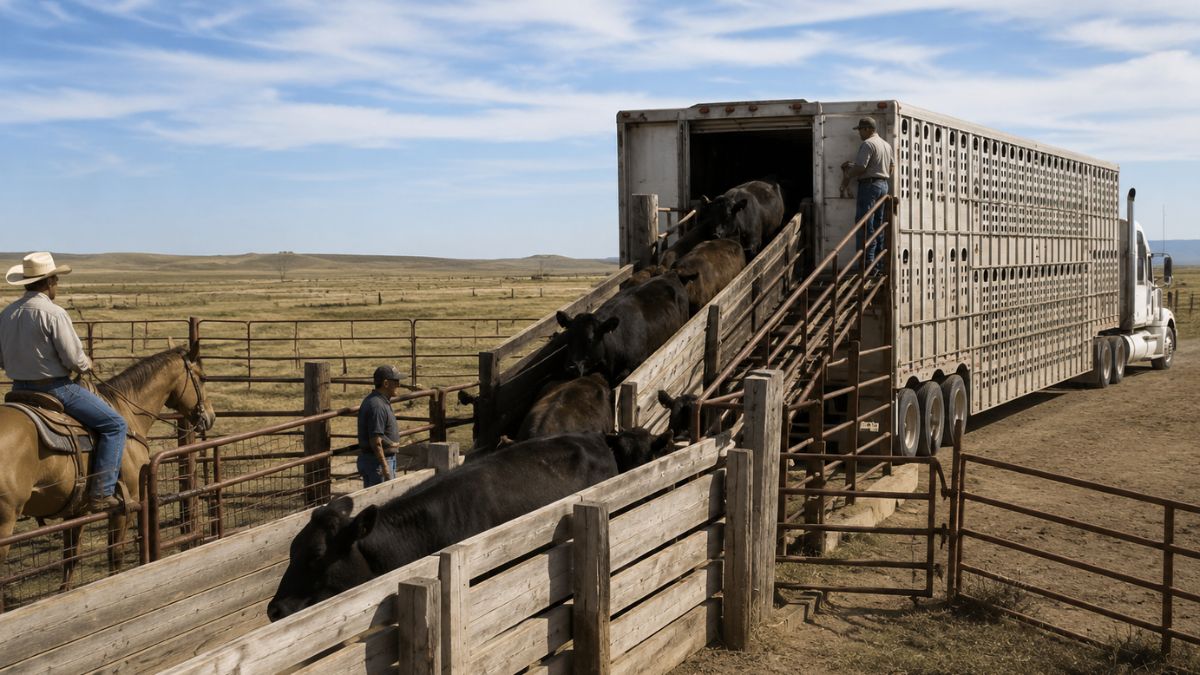
Insurance for Nebraska Livestock Haulers
If you haul cattle in Nebraska, you already know the state runs on livestock. Nebraska ranked second in the nation for cattle inventory in 2025, with more than 6 million head of cattle. From the Sandhills to the state’s major feedlots, livestock transportation keeps the industry moving.
That means livestock trailers are constantly traveling between ranches, auction barns, feedyards, and processors. But hauling live animals is different from hauling general freight. Livestock move during transport, weather impacts animal health, and cargo losses can become expensive very quickly.
Whether you operate a single truck or manage a fleet of livestock haulers, having insurance built specifically for livestock transportation is critical.
Why Livestock Hauling Requires Specialized Insurance
Livestock transportation creates risks that standard trucking policies may not fully address.
Common exposures include:
- Animal injury or mortality
- Trailer rollovers
- Loading and unloading accidents
- Escaped livestock
- Weather-related losses
- Equipment damage
- Liability claims involving third parties
A load of feeder cattle can represent hundreds of thousands of dollars in cargo value. That’s why proper livestock insurance matters.
What Livestock Hauling Insurance Covers
Primary Liability Insurance
Primary liability covers bodily injury and property damage you cause to others in an accident.
Federal regulations require most interstate for-hire carriers to maintain a minimum level of liability coverage. Many shippers and brokers prefer to see $1 million in liability limits.
Live Cargo Coverage
Live cargo insurance is one of the most important coverages for livestock haulers.
Many standard cargo policies limit or exclude losses involving live animals. Livestock cargo coverage can help protect against covered losses involving:
- Animal injury
- Animal mortality
- Accident-related losses
- Certain transportation exposures
Coverage terms vary significantly, making policy review extremely important.
Physical Damage Coverage
Physical damage coverage protects your truck and livestock trailer from covered losses involving:
- Collisions
- Fire
- Theft
- Vandalism
- Severe weather
With the cost of today’s tractors and livestock trailers, this coverage is essential for most operators.
Bobtail and Non-Trucking Liability
These coverages help protect drivers when operating without a trailer or while not under dispatch.
MCS-90 Endorsement
Most interstate for-hire carriers require an MCS-90 endorsement. This federal filing helps ensure public liability obligations are met.
Nebraska Livestock Hauling Requirements
To operate legally, livestock haulers may need several registrations and filings depending on their operation.
USDOT Number
Commercial vehicles operating above federal weight thresholds generally require a USDOT number.
Nebraska-based carriers must maintain current MCS-150 information and display their DOT number and company name on the truck.
MC Authority
For-hire carriers transporting livestock across state lines typically need interstate operating authority.
Proof of Financial Responsibility
Nebraska requires commercial vehicles to maintain proper proof of insurance from an authorized insurance company.
UCR Registration
Interstate carriers must complete Unified Carrier Registration requirements.
Animal Transport Regulations
Livestock haulers must comply with applicable USDA animal transportation regulations and animal welfare requirements.
Nebraska Weight Allowances for Livestock Haulers
Nebraska provides certain weight accommodations for livestock transportation under specific circumstances.
State law allows certain livestock loads to exceed standard axle weight limits under defined conditions. There is also a limited gross weight allowance that may permit travel to the first unloading facility.
Because weight exemptions can be misunderstood, livestock operators should verify current regulations before relying on any exception.
What Affects Livestock Hauling Insurance Rates?
Several factors influence premium costs.
Driver Experience
Experienced drivers with clean motor vehicle records generally receive better pricing.
Operating Radius
Local sale barn routes are typically rated differently than long-haul livestock transportation.
Equipment
Insurance companies evaluate:
- Number of trucks
- Trailer types
- Equipment values
- Vehicle age
Cargo Value
A load of feeder cattle often presents different exposure than breeding stock or cull cattle.
Claims History
Insurance carriers commonly review five years of loss history when underwriting livestock operations.
Annual Mileage
Higher mileage generally creates greater exposure and can impact premiums.
Why Nebraska Livestock Haulers Need the Right Coverage
Livestock transportation remains one of the most specialized sectors of agricultural trucking. Between animal mortality exposures, trailer investments, liability concerns, and regulatory requirements, coverage designed specifically for livestock haulers is important.
Whether you haul cattle, feeder calves, hogs, or other livestock across Nebraska and the Midwest, the right insurance program can help protect your trucks, trailers, cargo, and long-term business success.