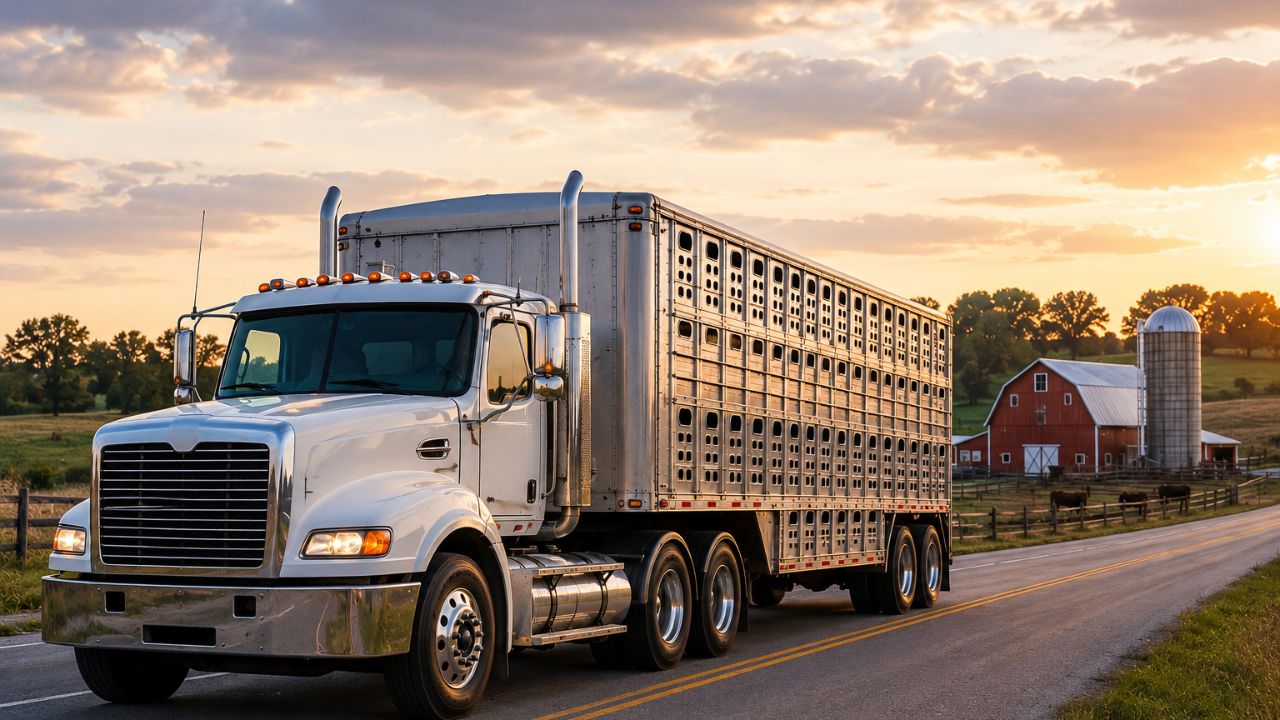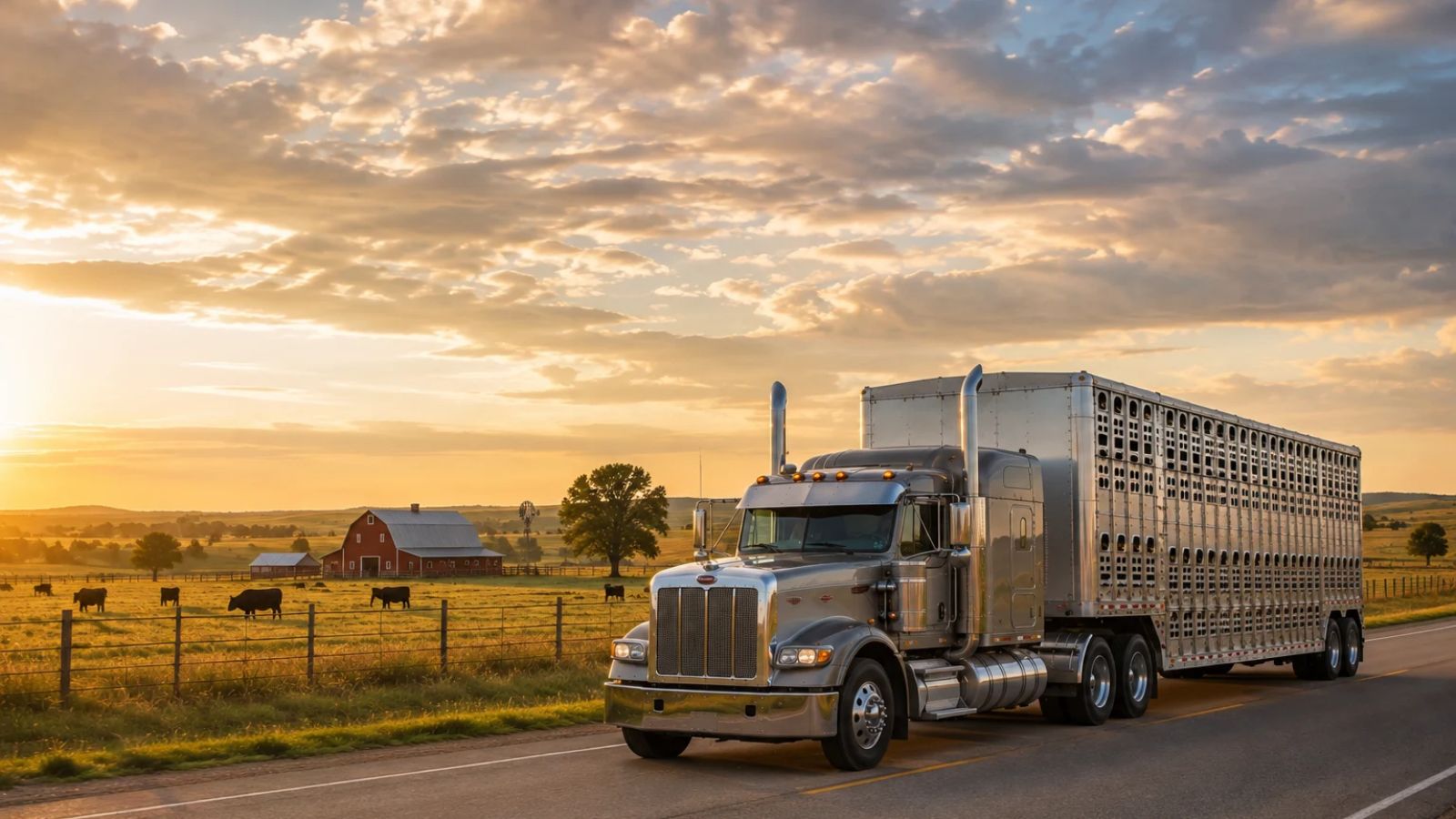
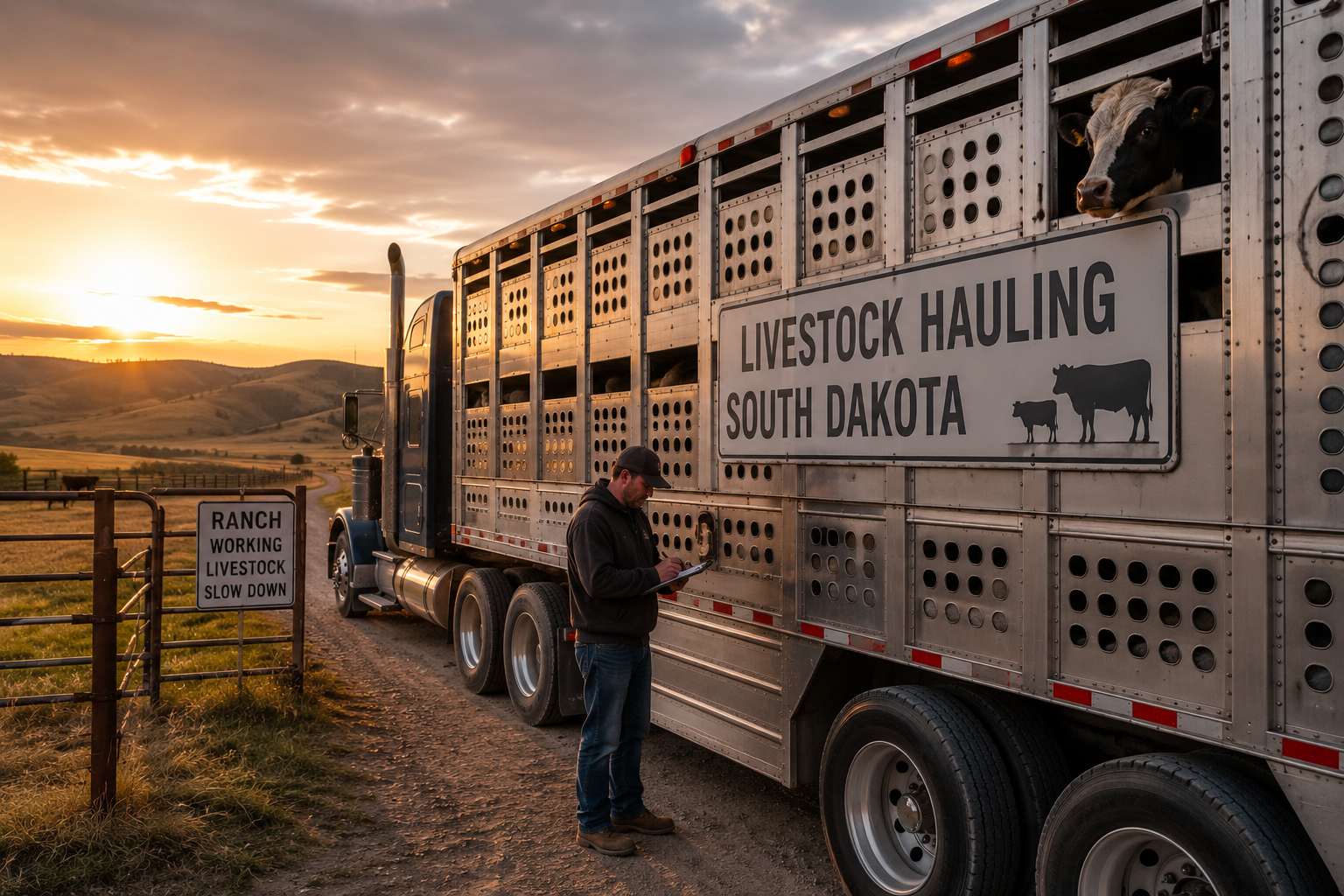
South Dakota is one of the nation’s leading cattle-producing states, making livestock transportation a critical part of the agricultural economy.
Whether moving feeder cattle from ranches, transporting livestock to auction markets, or delivering animals to feedlots and processing facilities, livestock haulers play an essential role in keeping the industry moving.
Because livestock is a living cargo, insurance needs are often very different from those of traditional freight carriers.
Why Livestock Hauling Creates Unique Insurance Risks
One of the biggest risks in livestock hauling is cargo coverage. Many livestock cargo policies only cover animals that die within 24 hours of an accident, which can leave truckers exposed if injuries lead to losses days later.
As cattle values continue to rise, having broader livestock cargo coverage can be a major advantage. Better protection not only helps reduce financial risk but can also make carriers more attractive to brokers, ranchers, feedlots, and livestock producers looking for properly insured transportation partners.
Common Livestock Operations in South Dakota
Cattle Hauling
South Dakota is known for its large cattle industry. Many livestock trucking companies spend most of the year transporting feeder cattle, breeding stock, and market-ready cattle throughout the region.
Ranch-to-Feedlot Transportation
Many haulers move livestock between ranches, backgrounding operations, and feedlots across South Dakota and neighboring states.
Auction and Sale Barn Transportation
Livestock auctions depend on reliable transportation providers to safely move animals before and after sales.
Essential Insurance Coverages for South Dakota Livestock Haulers
Primary Liability Insurance
Primary liability coverage helps protect trucking companies from bodily injury and property damage claims resulting from accidents.
Physical Damage Coverage
Physical damage insurance helps cover repair or replacement costs for trucks and livestock trailers following covered losses.
Livestock Cargo Insurance
Cargo coverage is often one of the most important protections for livestock haulers.
Because policy language varies significantly, carriers should review mortality limitations, livestock valuation methods, and coverage triggers carefully before selecting a policy.
Trailer Interchange Coverage
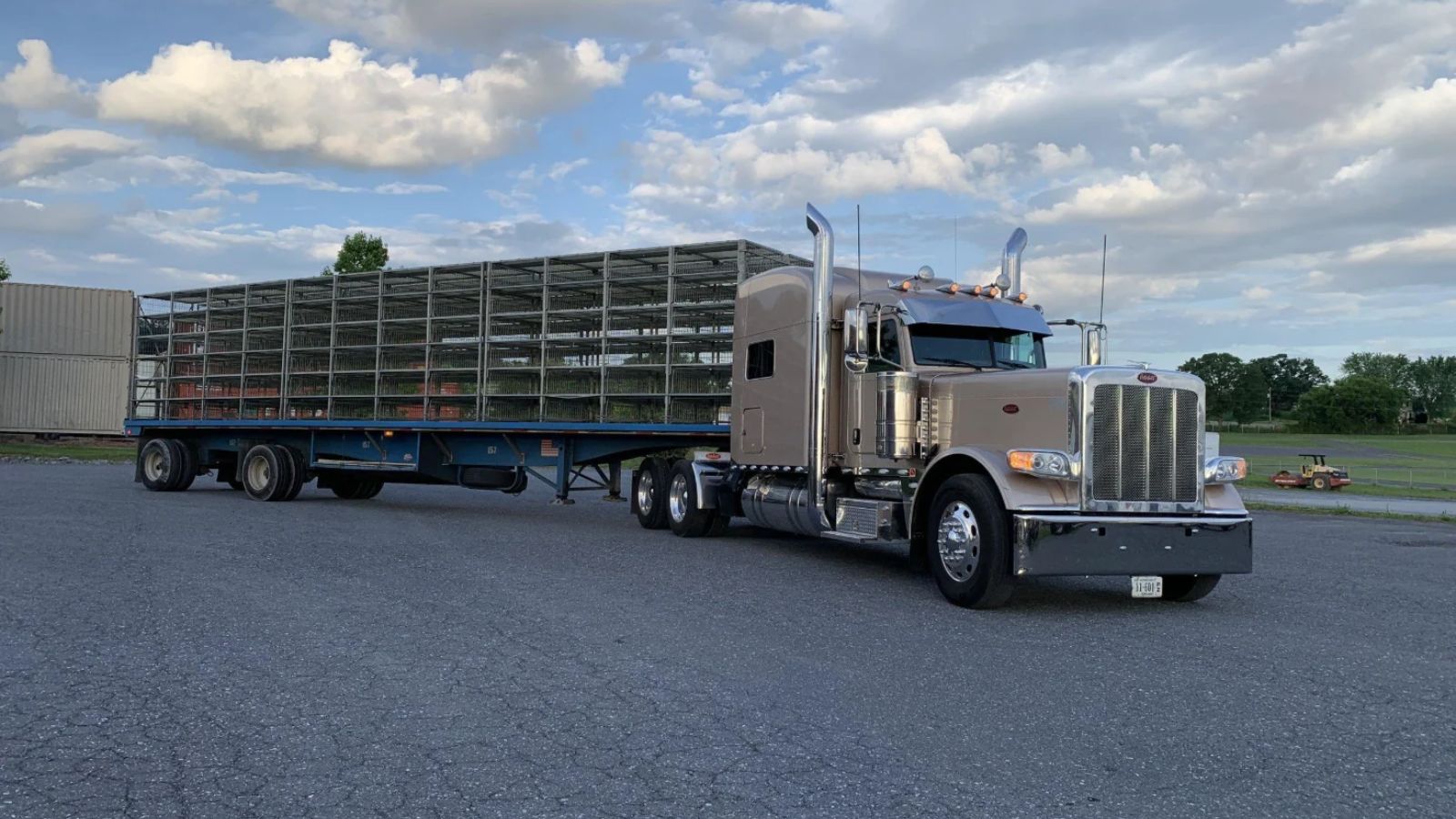
Many livestock operators pull trailers owned by another carrier or business. Trailer interchange coverage can help protect against damage to non-owned equipment.
General Liability Coverage
General liability insurance may help protect against claims that arise from business operations outside of vehicle accidents.
South Dakota Livestock Transportation Challenges
Many livestock haulers operate across large rural areas and frequently cross state lines into Nebraska, North Dakota, Wyoming, Minnesota, and Iowa.
Longer travel distances can increase exposure to accidents, weather-related delays, and livestock stress during transportation.
Because cattle values have increased significantly over the past several years, ensuring cargo limits accurately reflect the value of livestock being transported has become increasingly important.
How Better Cargo Coverage Can Help Win More Business
Ranchers, feedlots, brokers, and livestock buyers want confidence that their animals are protected while in transit.
Carriers with stronger livestock cargo insurance may have an advantage when competing for higher-value loads and long-term transportation relationships.
Coverage that addresses higher livestock values and broader mortality exposures can demonstrate professionalism and help separate a trucking company from competitors relying on minimal coverage.
For many South Dakota livestock haulers, better insurance protection can support both risk management and business growth.