Introduction
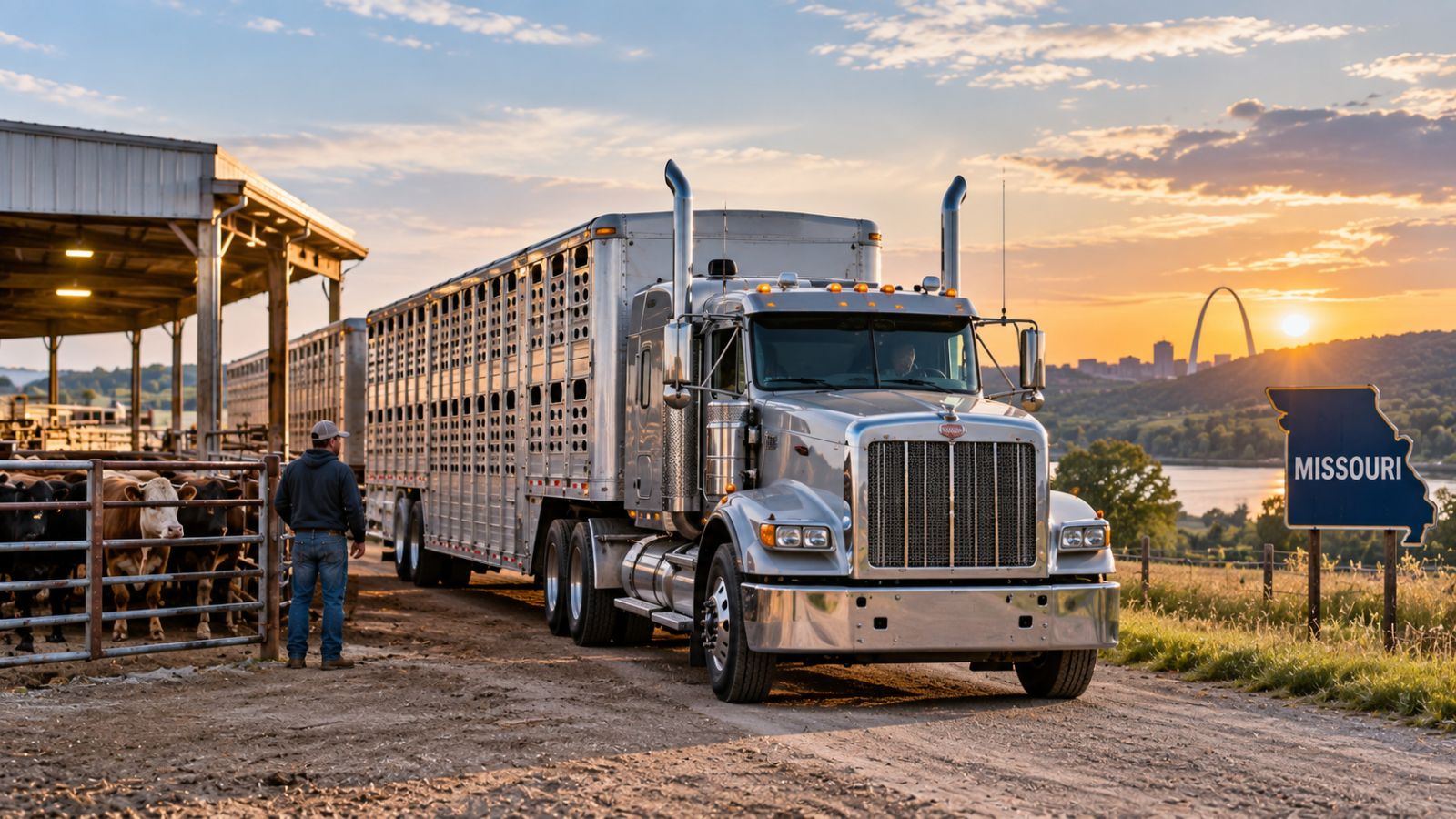
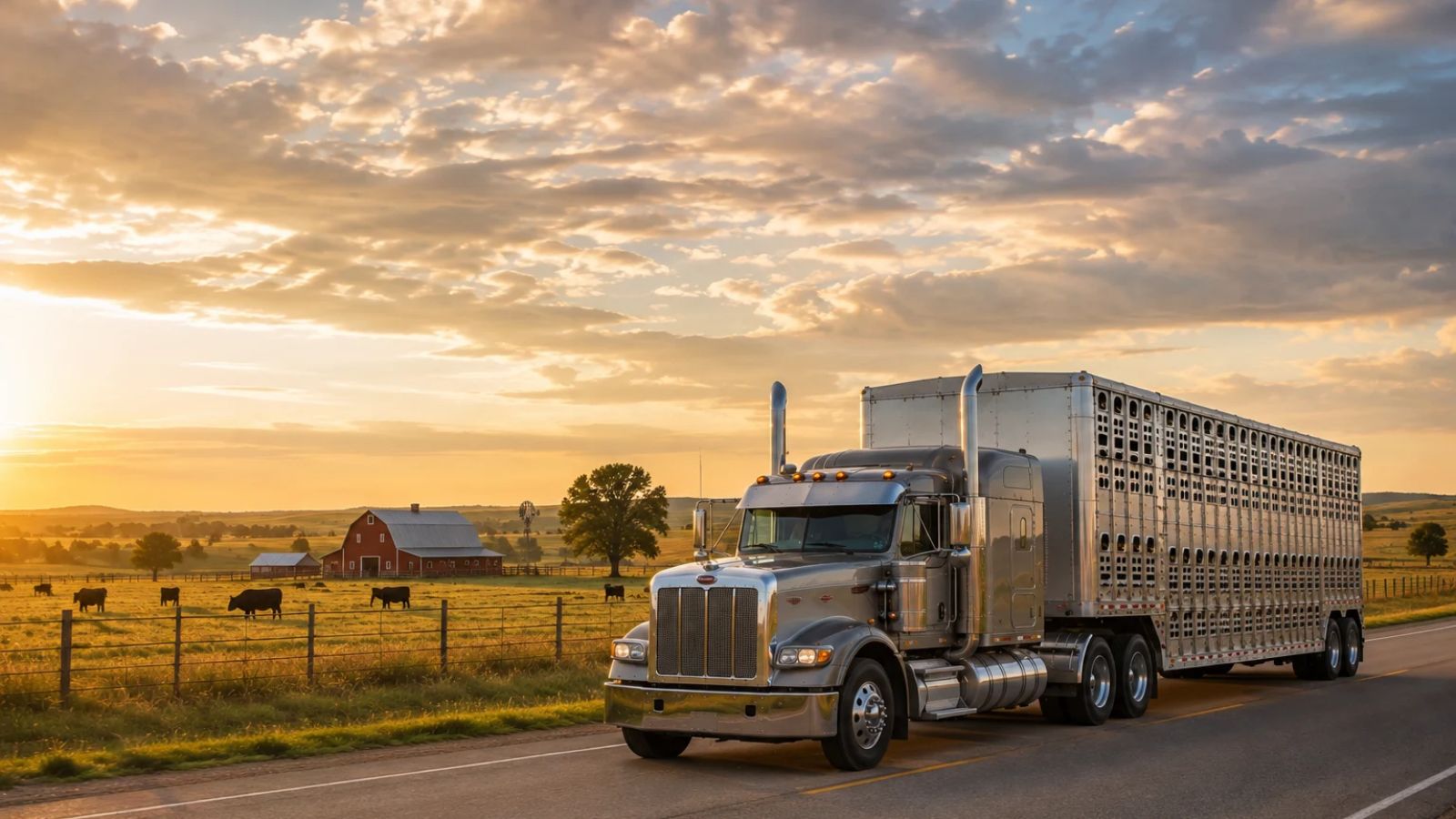
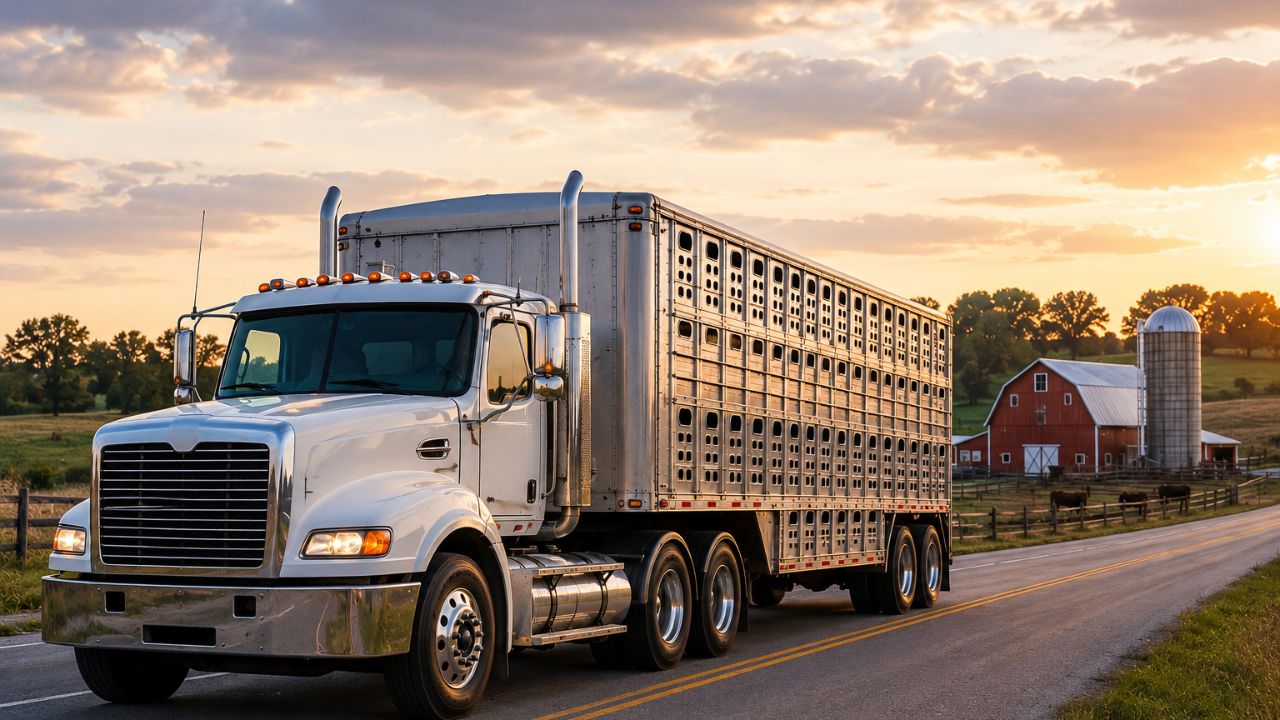
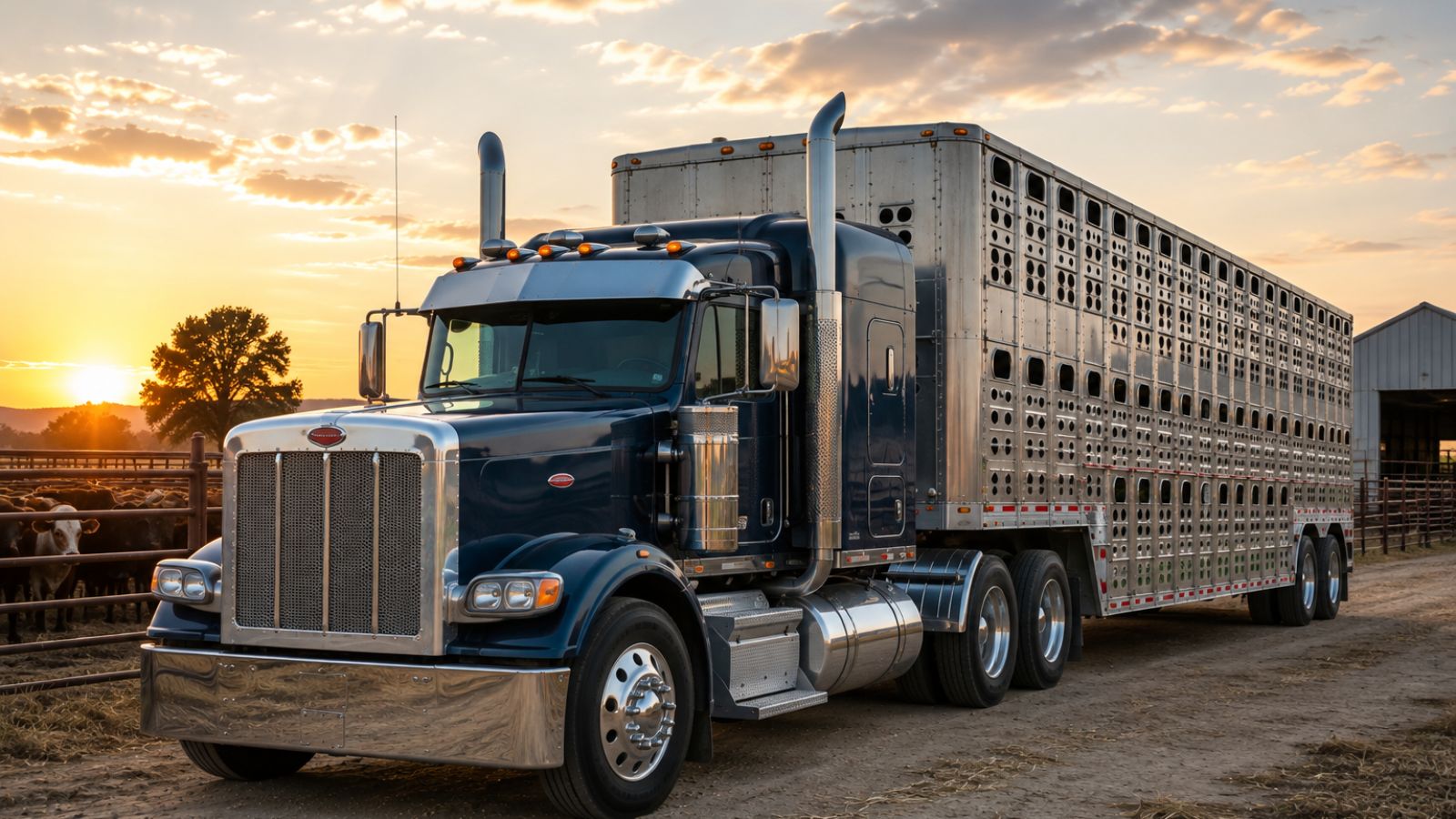
Livestock trucking plays a major role in Iowa agriculture. From moving feeder calves to sale barns to transporting hogs between production facilities and processing plants, trucking keeps Iowa’s livestock industry moving.
Unlike many other types of freight, livestock hauling comes with unique risks. Drivers are responsible for transporting live animals that can shift weight during transit, become injured in accidents, or create liability concerns during loading and unloading.
Why Livestock Hauling Creates Unique Insurance Risks
One of the biggest risks in livestock hauling is cargo coverage. Many livestock cargo policies only cover animals that die within 24 hours of an accident, which can leave truckers exposed if injuries lead to losses days later.
As cattle values continue to rise, having broader livestock cargo coverage can be a major advantage. Better protection not only helps reduce financial risk but can also make carriers more attractive to brokers, shippers, and livestock producers looking for properly insured transportation partners.
Common Livestock Operations in Iowa
Iowa remains one of the leading livestock-producing states in the country. Many trucking operations regularly transport:
Hog Transportation
Iowa is the nation’s largest pork-producing state. Livestock trucking companies frequently haul:
- Market hogs
- Feeder pigs
- Breeding stock
- Nursery pigs
Hog hauling often involves multiple stops, biosecurity concerns, and strict scheduling requirements.
Cattle Hauling
Iowa cattle transportation includes:
- Feedlot movements
- Auction transportation
- Cow-calf operations
- Breeding livestock transport
Long-distance cattle hauling can increase the risk of animal stress, injury, and transportation-related losses.
Mixed Livestock Operations
Many agricultural trucking companies haul multiple livestock types throughout the year, requiring flexible insurance coverage that adapts to seasonal demands.
Real Claim Scenarios Iowa Livestock Haulers Face
Loading Dock Injury
A livestock handler is injured while assisting with loading activities at a farm.
The trucking company may face liability exposure depending on the circumstances surrounding the incident.
Severe Weather Damage
Iowa weather can be unpredictable. Hail, tornadoes, windstorms, and winter storms can damage trucks and trailers parked at yards or terminals.
Physical damage coverage helps protect against these unexpected losses.
Factors That Affect Livestock Trucking Insurance Costs in Iowa
Several factors influence livestock trucking insurance premiums.
These include:
- Radius of operation
- Number of trucks
- Driver experience
- Vehicle values
- Loss history
- Cargo types
- Safety record
- Years in business
Livestock haulers that implement strong risk management practices often have more favorable insurance options available.
Why Specialized Livestock Trucking Insurance Matters
Livestock transportation is different from hauling dry freight or general commodities.
Insurance programs designed specifically for agricultural trucking operations can help address the unique exposures associated with moving live animals throughout Iowa and the Midwest.
Whether hauling cattle, hogs, or mixed livestock, working with an insurance provider that understands agricultural transportation can help ensure your business is properly protected.