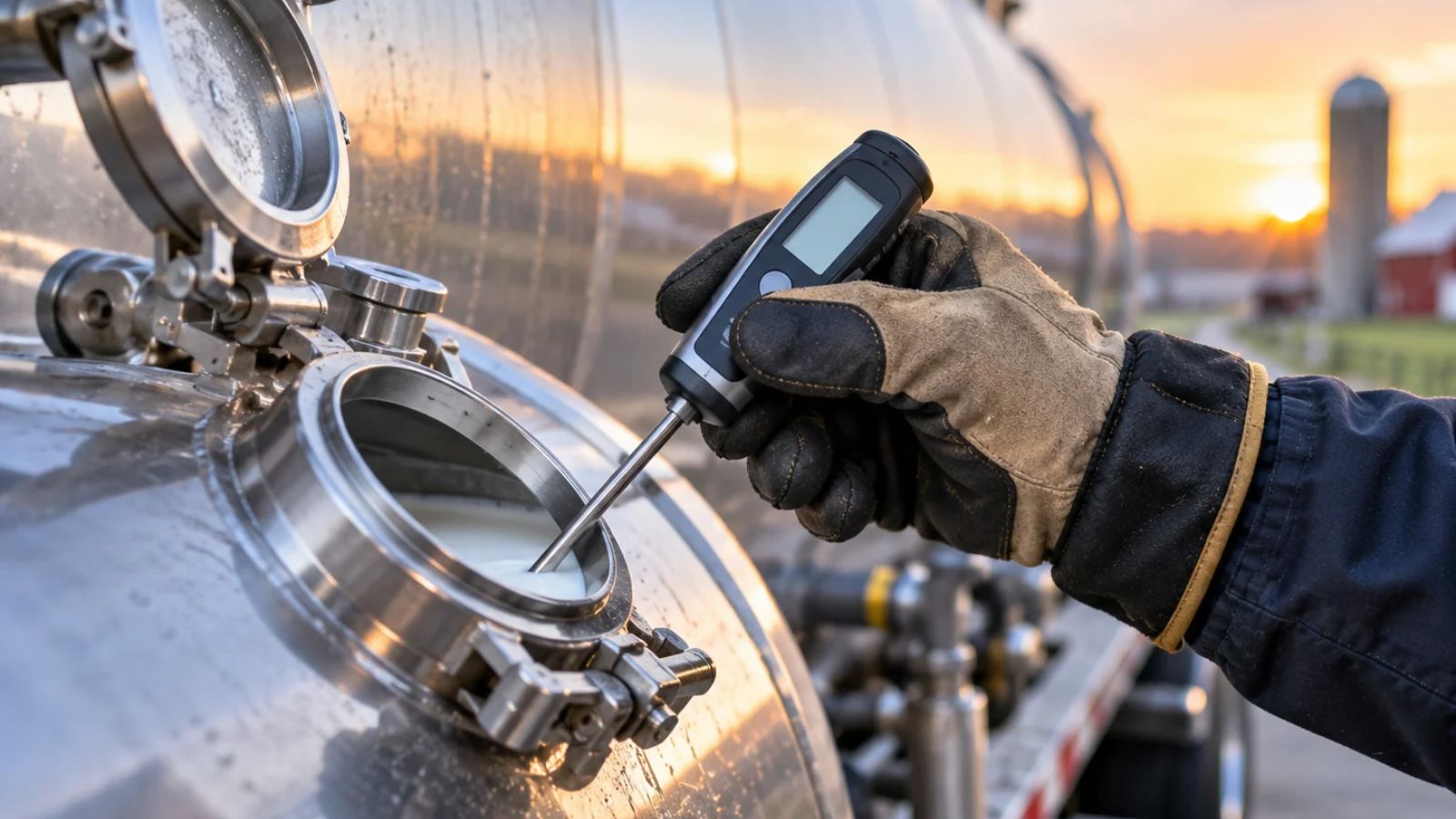
Milk Hauling Insurance in Maryland: What Dairy Truckers Need to Know
Maryland dairy farms depend on milk haulers to get fresh milk from the farm to the processing plant every day. It is steady work, but it comes with serious risks. One accident, equipment breakdown, or rejected load can cost a trucking company thousands of dollars.
Whether you operate one milk tanker or manage a fleet, having the right milk hauling insurance in Maryland can help protect your business.
Here is what you need to know.
Why Milk Hauling in Maryland Is Different
Milk hauling is not the same as pulling a dry van or hauling general freight. Milk tanker operators deal with challenges that other truckers may never face.
These include:
- Liquid cargo that shifts inside the tanker
- Narrow farm lanes and tight loading areas
- Rural roads, hills, and sharp curves
- Early morning pickups and long driving hours
- Winter snow, freezing rain, and fog
- Milk contamination, spoilage, and rejected loads
Maryland dairy haulers also travel through busy areas around Frederick, Carroll County, Washington County, and other agricultural communities.
A driver might start the morning on a narrow farm road and finish the route in heavy highway traffic.
Insurance companies consider these risks when determining coverage and premiums.
What Insurance Does a Maryland Milk Hauler Need?
1. Commercial Auto Liability Insurance
Commercial auto liability is one of the most important coverages for a milk hauling business. It helps pay for injuries and property damage you are legally responsible for after a covered accident.
Example: A milk tanker loses control on a wet Maryland road and collides with another vehicle.
The claim could involve vehicle damage, medical bills, and legal expenses. A serious accident involving a loaded tanker can become expensive quickly. Milk processors, dairy cooperatives, and hauling contracts may also require specific liability limits.
2. Physical Damage Insurance for Milk Tankers
Stainless steel milk tankers are expensive equipment. If your tractor or tanker is damaged in an accident, repairs can take time and cost a significant amount.
Physical damage insurance can protect covered equipment against losses such as:
- Collisions
- Rollovers
- Fire
- Theft
- Certain weather-related damage
Example: A tanker slides off an icy rural road and rolls into a ditch. The tractor and tank both suffer major damage. Physical damage coverage may help pay for covered repairs or replacement, subject to the policy’s deductible and terms.
Make sure your tanker is properly listed and insured at an appropriate value.
3. Motor Truck Cargo Insurance for Milk
Motor truck cargo insurance helps protect the milk you transport when it is damaged or lost because of a covered event. But milk is different from most other freight.
It is perishable and can become unusable because of contamination, temperature problems, or handling issues.
Not every cargo policy covers these losses.
Before buying coverage, ask your insurance agent:
- Does the policy cover milk spoilage?
- Is contamination covered?
- What happens if a processor rejects the load?
- Is equipment failure covered?
- What is the maximum cargo limit per load?
For example, if a tanker is involved in an accident and the entire load must be discarded, cargo insurance may respond if the cause of loss is covered. However, a load rejected for contamination may not be covered without the proper policy provisions.
Never assume all rejected milk loads are insured.
4. Pollution Liability Insurance
Milk hauling creates another risk that truckers sometimes overlook.
Spills. A tanker accident could release thousands of gallons of milk into a ditch, stream, or drainage system. Fuel and other vehicle fluids can also create environmental cleanup concerns.
In Maryland, this is especially important because many waterways drain toward the Chesapeake Bay. A major spill could involve cleanup expenses, environmental damage, and regulatory requirements.
Standard commercial auto insurance does not necessarily cover every pollution-related expense.
Ask your agent whether you need transportation pollution liability coverage and whether it addresses milk spills, fuel spills, cleanup, and related third-party claims.
5. General Liability Insurance
General liability insurance can help with certain business-related claims that are not caused by operating your truck.
For example, a visitor might be injured at your business premises. Some farms, dairy processors, and contractors require general liability insurance before allowing a trucking company to work with them.
Keep in mind that damage caused by the operation of a commercial truck generally falls under commercial auto coverage, not ordinary general liability.
6. Workers’ Compensation Insurance
Milk hauling can be physically demanding. Drivers climb in and out of trucks, connect hoses, handle equipment, and work around wet or slippery surfaces. Workplace injuries can happen even when the truck is parked.
Maryland generally requires employers with covered employees to carry workers’ compensation insurance, subject to applicable exceptions.
This coverage can help pay eligible medical expenses and wage-loss benefits after a covered work injury.
If you have employees, make sure your workers’ compensation policy reflects their actual duties.
Common Insurance Gaps for Maryland Milk Haulers
Even experienced trucking companies can have gaps in their insurance.
Here are some of the most common problems.
Cargo Coverage That Excludes Spoilage
A cargo policy might cover milk lost in a collision but exclude spoilage caused by equipment failure.
Review the exclusions before a claim happens.
Cargo Limits That Are Too Low
The value of a full tanker can change with milk prices and load size. Make sure your cargo limit is enough for the loads you actually haul.
Missing Pollution Coverage
A spill can involve much more than the value of the milk. Cleanup and environmental expenses may require separate coverage.
Drivers Not Properly Reported
Insurance companies need accurate information about the drivers operating your trucks. That includes backup drivers, seasonal employees, and part-time help.
Incorrect Business Operations
Hauling milk for your own farm is different from hauling milk for other businesses. Make sure your insurer knows whether you operate for hire, cross state lines, or transport additional commodities.
Contract Requirements
Dairy processors and cooperatives may require certain insurance limits, certificates of insurance, or additional insured endorsements.
Review those requirements before signing a contract.
Maryland Roads, Weather, and Dairy Hauling Risks
Maryland milk haulers face a mix of rural driving conditions and busy highways. During winter, freezing rain and ice can make farm entrances and winding roads especially dangerous. Heavy rain and fog can reduce visibility. Partially filled tankers also create liquid surge, which can affect braking, turning, and vehicle stability. A tanker that handles normally on a straight highway may behave differently on a sharp downhill curve. Drivers should slow down for road conditions and avoid sudden steering or braking.
Regular maintenance and driver training can help reduce accidents.
DOT Requirements for Maryland Milk Tanker Drivers
Commercial milk hauling operations may be subject to FMCSA and Maryland motor carrier regulations.
Depending on the vehicle and operation, requirements can include:
- Proper commercial driver’s license
- Tank vehicle endorsement when required
- Driver qualification records
- Vehicle inspections and maintenance
- Hours-of-service compliance
- Applicable operating authority and insurance filings
A tank vehicle endorsement is generally required for qualifying tank vehicles under CDL rules.
Milk hauling businesses must also pay attention to applicable dairy sanitation and milk transportation requirements.
Keeping accurate records can help during inspections and after a claim.
How Much Does Milk Hauling Insurance Cost in Maryland?
There is no single price for milk tanker insurance.
Your premium depends on several factors, including:
- Number of trucks and tankers
- Driver experience and driving records
- Claims history
- Operating radius
- Cargo values
- Equipment values
- Coverage limits and deductibles
- Interstate or intrastate operations
A single owner-operator hauling milk locally may have different insurance costs than a company operating several tankers across Maryland and neighboring states.
The best way to understand your cost is to request a quote based on your actual business.
How to Reduce Milk Hauling Risks and Insurance Costs
You cannot eliminate every risk, but good operating practices can help.
Hire qualified drivers. Review driving records and confirm that drivers have the proper CDL and endorsements.
Train for liquid surge. Make sure drivers understand how partially filled tankers behave during turns, braking, and downhill travel.
Inspect equipment daily. Check tires, brakes, hoses, valves, pumps, and tanker connections.
Maintain sanitation records. Keep wash logs, inspection records, and other required documentation.
Drive for the weather. Reduce speed during freezing rain, snow, fog, and heavy rain.
Review insurance before renewal. Update your agent when you add equipment, hire drivers, change routes, or begin hauling different products.
Good safety habits may help improve your insurance options over time.