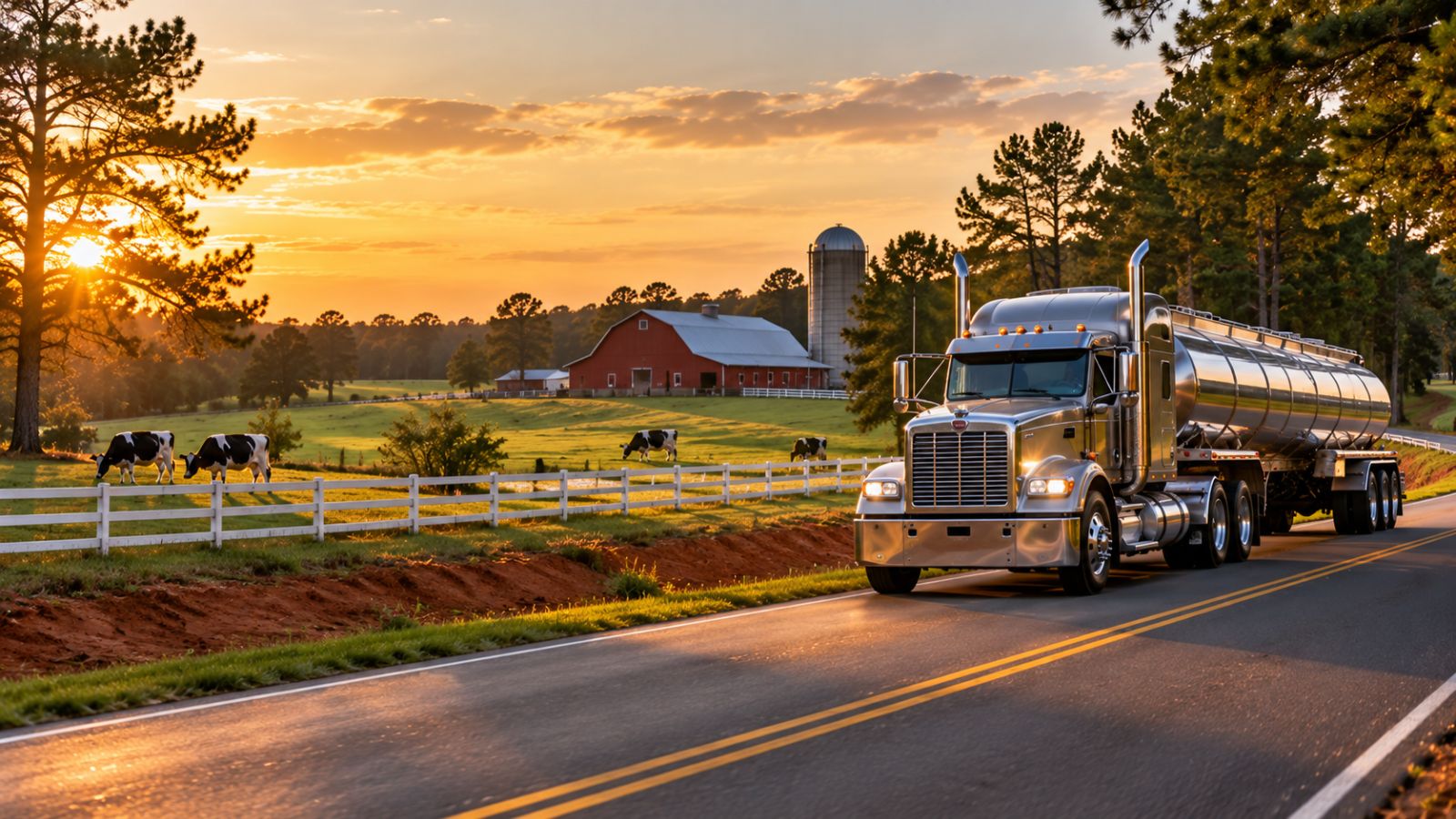
Milk Hauling Insurance in Georgia
Hauling milk in Georgia comes with risks that regular freight truckers don’t always face. You’re transporting a product that needs to stay clean and reach the processing plant in good condition. One tanker accident, contaminated load, or equipment failure can turn into an expensive claim. Georgia’s summer heat, heavy rain, and rural farm roads add to the challenge. That’s why milk hauling insurance in Georgia should protect your truck, tanker trailer, and raw milk cargo.
What Insurance Do Georgia Milk Haulers Need?
Commercial Auto Liability
Commercial auto liability helps pay for covered injuries and property damage you cause to other people.
For example, your milk tanker is involved in an accident near Macon. If your driver is responsible, liability insurance may help cover the other driver’s injuries and vehicle damage.
Milk Cargo Insurance
Motor truck cargo insurance helps protect against certain covered losses involving the raw milk you’re transporting. Imagine your tanker overturns and spills thousands of gallons of milk. Cargo insurance may help pay for the lost milk if the accident is covered.
Important: Not every cargo policy covers contamination, spoilage, or rejected milk.
Ask your agent about these risks before accepting dairy hauling contracts.
Dairy Tanker Trailer Insurance
Stainless steel milk tankers are expensive equipment. Physical damage insurance can help pay for covered trailer damage caused by collisions, rollovers, theft, or certain weather events. Make sure your tanker is properly listed on your policy.
Tractor Physical Damage
Your tractor also needs protection. Collision and comprehensive coverage may help pay for covered damage to your truck. Losing a truck can interrupt daily dairy farm pickups and deliveries.
Common Milk Hauling Claims in Georgia
1. Milk Tanker Rollover
A milk hauler is traveling on a rural Georgia highway. The driver takes a curve too quickly, and the tanker overturns. The tractor and tanker suffer major damage. Thousands of gallons of milk spill onto the road. Physical damage insurance may cover the equipment. Cargo insurance may cover the milk if the loss is covered. Cleanup expenses depend on your policy.
2. Contaminated Milk During Loading
A driver arrives at a dairy farm to collect raw milk. A problem with a loading hose contaminates the product. The processing plant rejects the entire load. Without the right cargo coverage, the trucking company could face a costly loss. Contamination coverage is especially important for dairy haulers.
3. Equipment Failure During Transport
A milk tanker experiences an equipment problem on the way to a processing plant. The delay affects the milk. The processing plant rejects the load. Standard cargo insurance may not cover this situation.
Coverage depends on the cause of the loss and whether spoilage or equipment-breakdown protection applies.
Georgia Heat and Milk Hauling Risks
Georgia summers can be hot and humid. High temperatures can put additional stress on tires, engines, and cooling systems. Heavy rain and thunderstorms can also create dangerous road conditions. Wet farm entrances and muddy loading areas make pickups more difficult. Milk haulers should pay attention to equipment inspections, tire condition, and safe tanker handling. Liquid cargo can move inside the tank during braking and turns. That movement can affect truck stability. Careful driving and proper loading help reduce rollover risks.
Milk Hauling Around Georgia Dairy Farms
Georgia has dairy operations that depend on reliable milk transportation. North Georgia and other agricultural areas have farms that need regular milk pickups. Milk haulers transport raw milk from farms to processing facilities. Some operate entirely within Georgia. Others travel into Florida, Alabama, Tennessee, or South Carolina. Make sure your insurance reflects the states and routes you actually operate in.
Tell your agent before expanding your hauling territory.
Why Milk Tanker Insurance Is Different
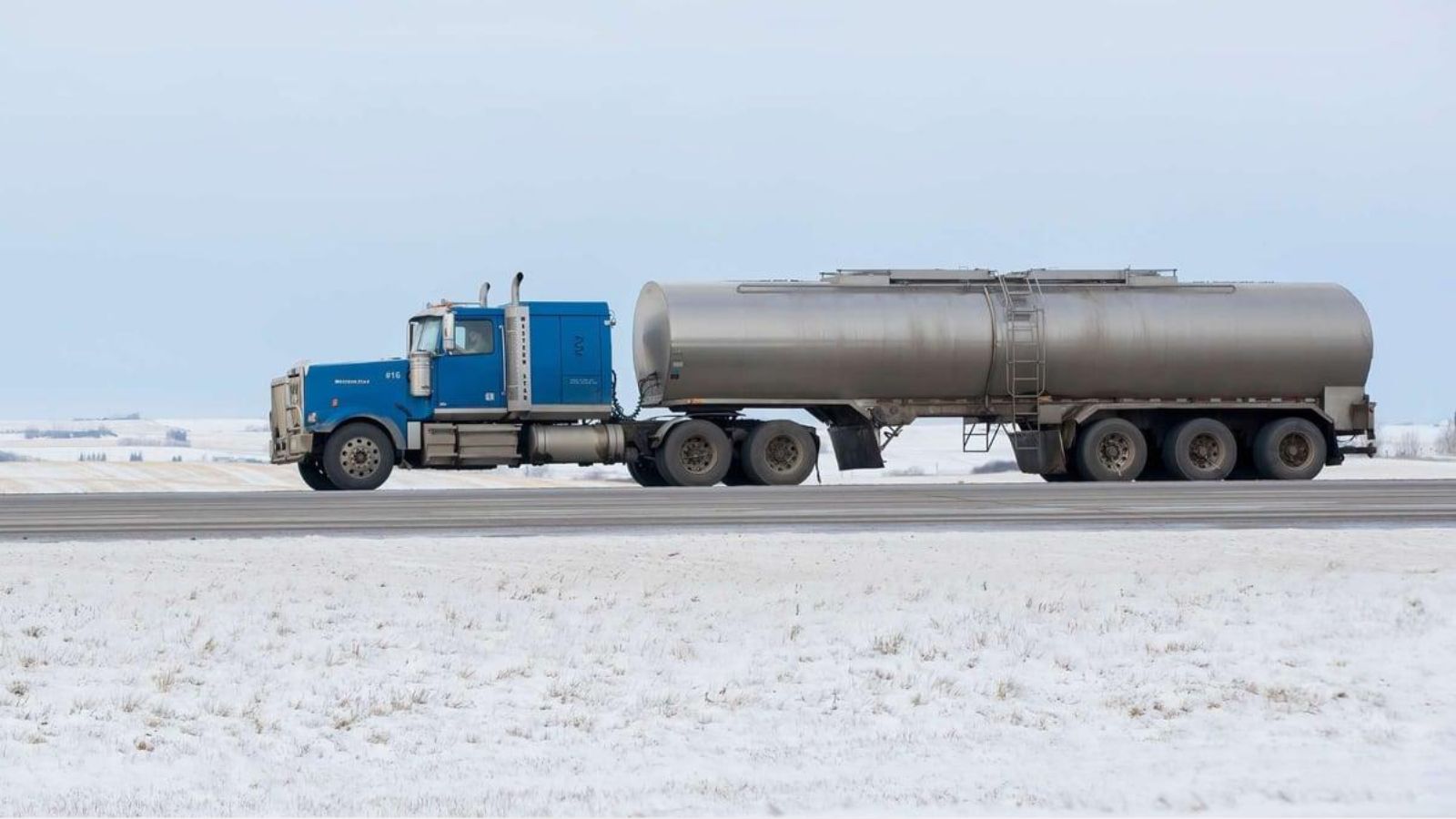
Milk tankers carry liquid cargo. That creates risks that dry van and grain haulers don’t face in the same way. Milk can move inside the tank during turns and sudden braking. Dairy hauling also involves sanitation requirements. A dirty hose, equipment problem, or handling mistake can cause a rejected load. That’s why milk haulers should review coverage for tanker damage, cargo losses, contamination, spoilage, and spill cleanup. These protections are not automatically included in every policy. Insuring your tanker doesn’t automatically insure the milk inside it.
Farm Pickup and Unloading Risks
Milk hauling often involves several farm stops before reaching a processing plant. Each stop creates additional risks. A driver could damage a farm building while backing into a loading area. A hose connection could fail. A tanker could become stuck in a muddy driveway. Make sure your insurance agent understands your loading and unloading activities. Coverage may differ depending on how the loss happens.
Georgia DOT and Milk Hauling Requirements
Insurance requirements depend on how your trucking business operates. A dairy farmer hauling their own milk may have different requirements than a for-hire trucking company collecting milk from several farms.
Interstate for-hire operations may need FMCSA operating authority and applicable insurance filings.
Milk haulers must also follow relevant dairy sanitation and transportation requirements. Before expanding your business, confirm that your insurance matches your operation.
How Much Does Milk Hauling Insurance Cost in Georgia?
There isn’t one fixed price for dairy truck insurance. Insurance companies look at your driving record, equipment values, operating radius, cargo limits, claims history, and number of trucks. A single owner-operator hauling milk locally may have a different premium than a fleet running interstate routes. The value of your stainless steel tanker also matters. Adding contamination or spoilage coverage may affect the cost.
The best way to get an accurate price is to request a quote based on your actual hauling operation.