Grain Hauling Insurance in North Dakota: What Truckers Need to Know
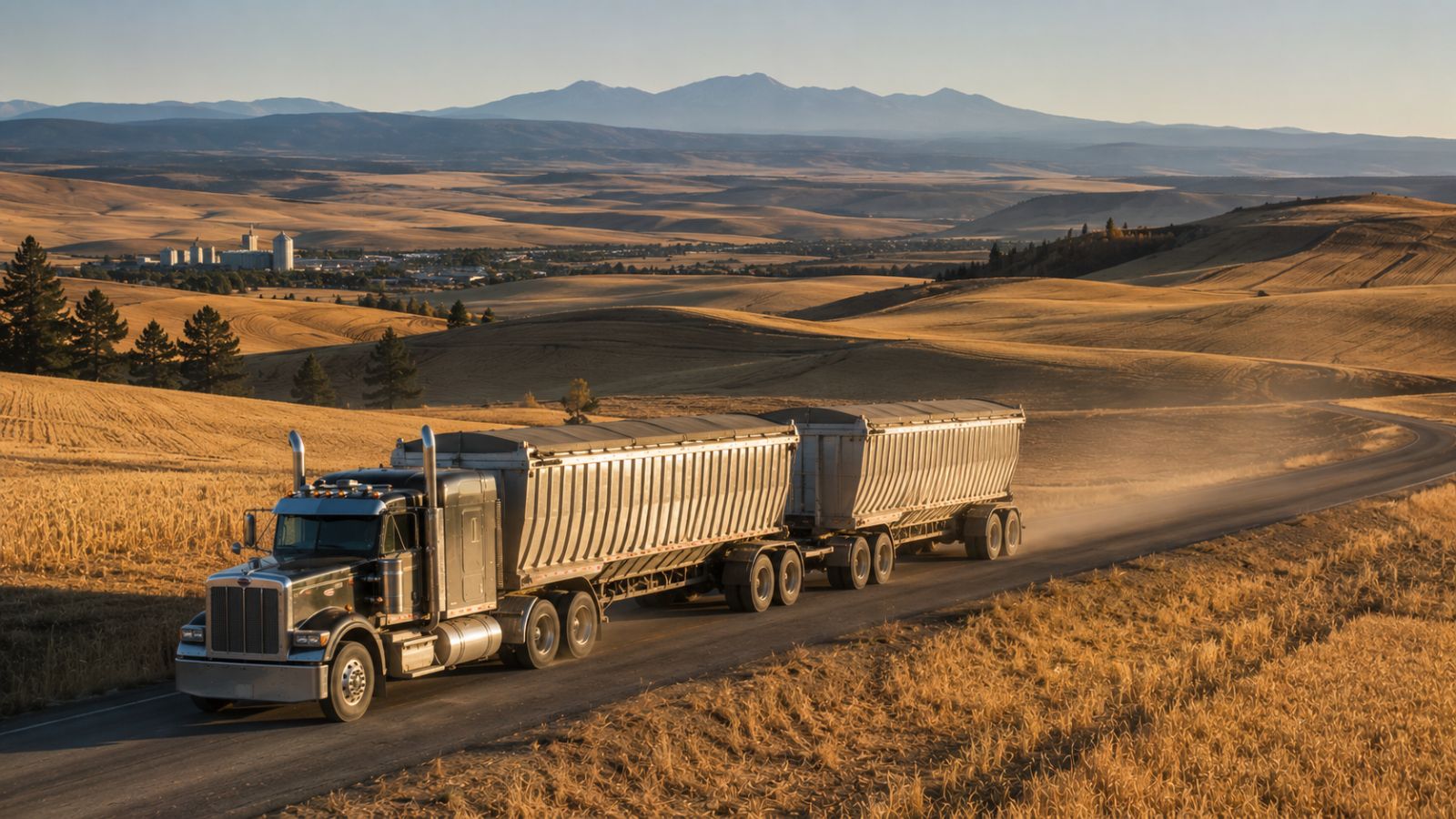
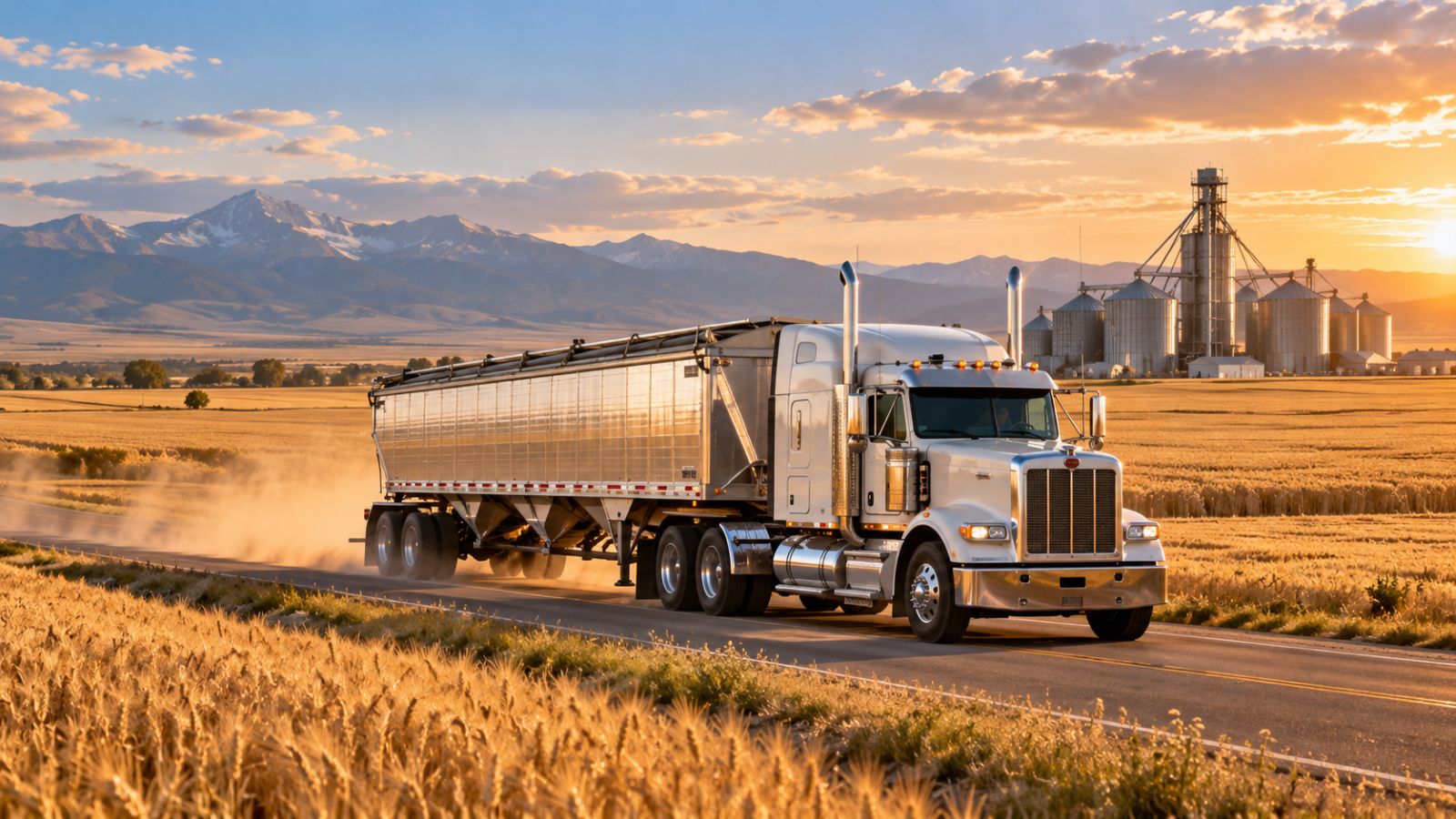
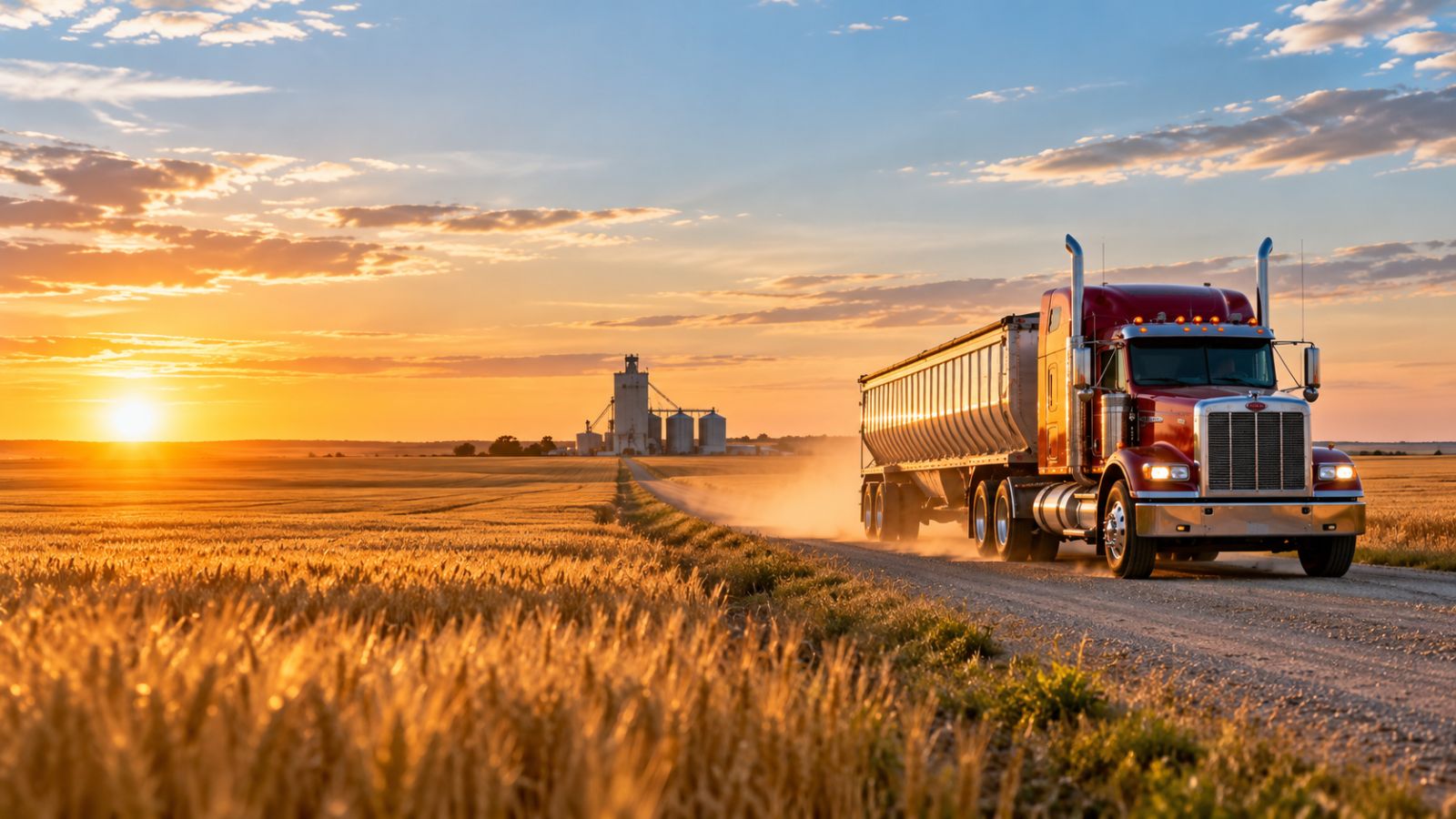
Grain hauling is the backbone of North Dakota agriculture. From wheat and soybeans to corn and sunflowers, grain haulers keep the harvest moving from fields to grain elevators, storage bins, and processing facilities. But grain hauling is demanding work. Long days, rural gravel roads, heavy loads, and unpredictable weather all increase the risk of accidents.
Whether you operate one hopper bottom or manage a fleet of grain trucks, having the right grain hauling insurance in North Dakota can help protect your business.
Why Grain Hauling Is Different From Regular Trucking
Grain hauling isn’t the same as hauling general freight. Many North Dakota grain trucks operate during a short, busy harvest season. Drivers may spend long hours traveling between farms and elevators, often on narrow gravel roads.
Some of the biggest risks include:
- Heavy hopper bottom trailers and rollover risks
- Soft shoulders and uneven rural roads
- Strong prairie winds and winter storms
- Seasonal drivers and harvest help
- Long hours during planting and harvest
Insurance companies consider these risks when reviewing your operation and calculating premiums.
What Insurance Do North Dakota Grain Haulers Need?
1. Commercial Auto Liability Insurance
Commercial auto liability helps cover injuries and property damage you cause to others in a covered accident.
For example, your grain truck slides through an intersection near Fargo and hits another vehicle. If you’re responsible, liability insurance may help cover the other driver’s injuries and vehicle damage. Your required coverage limits depend on your operation and applicable regulations.
2. Truck and Hopper Bottom Physical Damage Insurance
Your truck and hopper bottom trailer are major investments. Physical damage coverage can help pay for covered losses involving:
- Collisions
- Rollovers
- Fire
- Theft
- Hail and certain weather damage
Make sure your hopper bottom trailers are properly listed on your policy.
Also review their insured values, especially if you’ve recently purchased or upgraded equipment.
3. Motor Truck Cargo Insurance
Motor truck cargo insurance helps protect grain you’re transporting against certain covered losses. Imagine your hopper bottom overturns on a rural road and spills a load of wheat. Cargo insurance may help cover the damaged or lost grain. However, not every type of grain loss is covered. Moisture damage, spoilage, contamination, rejected loads, cleanup, and disposal expenses may be limited or excluded.
Ask your insurance agent exactly how your policy handles spilled or damaged grain.
4. General Liability Insurance
General liability insurance helps protect your business against certain claims that don’t arise from operating your truck.
For example, a visitor could be injured at your business premises. Some farms, elevators, and commercial customers may require general liability coverage. Keep in mind that general liability doesn’t automatically cover every accident at a loading or unloading site.
5. Workers’ Compensation Insurance
North Dakota handles workers’ compensation differently from most states. Coverage is provided through Workforce Safety & Insurance (WSI) rather than private workers’ compensation insurance companies.
If your grain hauling business has employees, you’ll generally need to comply with North Dakota’s workers’ compensation requirements. This can include full-time, part-time, and seasonal employees.
Ask about employers liability coverage and any gaps that may exist outside the state workers’ compensation system.
Common Grain Hauling Insurance Gaps
Even experienced trucking companies can overlook important coverage details.
Seasonal Drivers Not Disclosed
Harvest season often brings extra drivers. Some businesses hire temporary help or have family members operate trucks. Make sure your insurance company knows who is driving your equipment.
Wrong Trucking Operations Listed
Hauling your own farm’s grain is different from hauling grain for other businesses. If you start hauling for hire, your insurance may need to change.
Hopper Bottom Trailer Not Properly Covered
Don’t assume every trailer you pull automatically has physical damage coverage. Check owned, leased, borrowed, and newly purchased trailers.
Cargo Limits That Are Too Low
Grain prices and load values change. Make sure your motor truck cargo limit is high enough for the maximum value of grain you transport.
Missing Contract Requirements
Grain elevators, farms, and commercial customers may require specific liability limits, certificates of insurance, or additional insured endorsements.
Review those requirements before accepting a hauling contract.
How to Keep North Dakota Grain Hauling Insurance Costs Down
Insurance costs depend on your driving history, equipment, claims, coverage limits, and type of operation.
There are practical ways to make your business a better insurance risk.
Keep your drivers’ records clean.
Review driving histories and qualifications before hiring new drivers.
Inspect your equipment.
Check tires, brakes, lights, hopper doors, and trailer connections before heading out.
Train drivers on rollover risks.
Loaded hopper bottoms require extra care on gravel roads, soft shoulders, and sharp turns.
Maintain your trucks and trailers.
Preventive maintenance can help reduce breakdowns and accidents.
Adjust for North Dakota weather.
Slow down during high winds, snow, ice, and poor visibility.
Review insurance before harvest.
Don’t wait until you’re already hauling to discover a missing driver, trailer, or coverage.