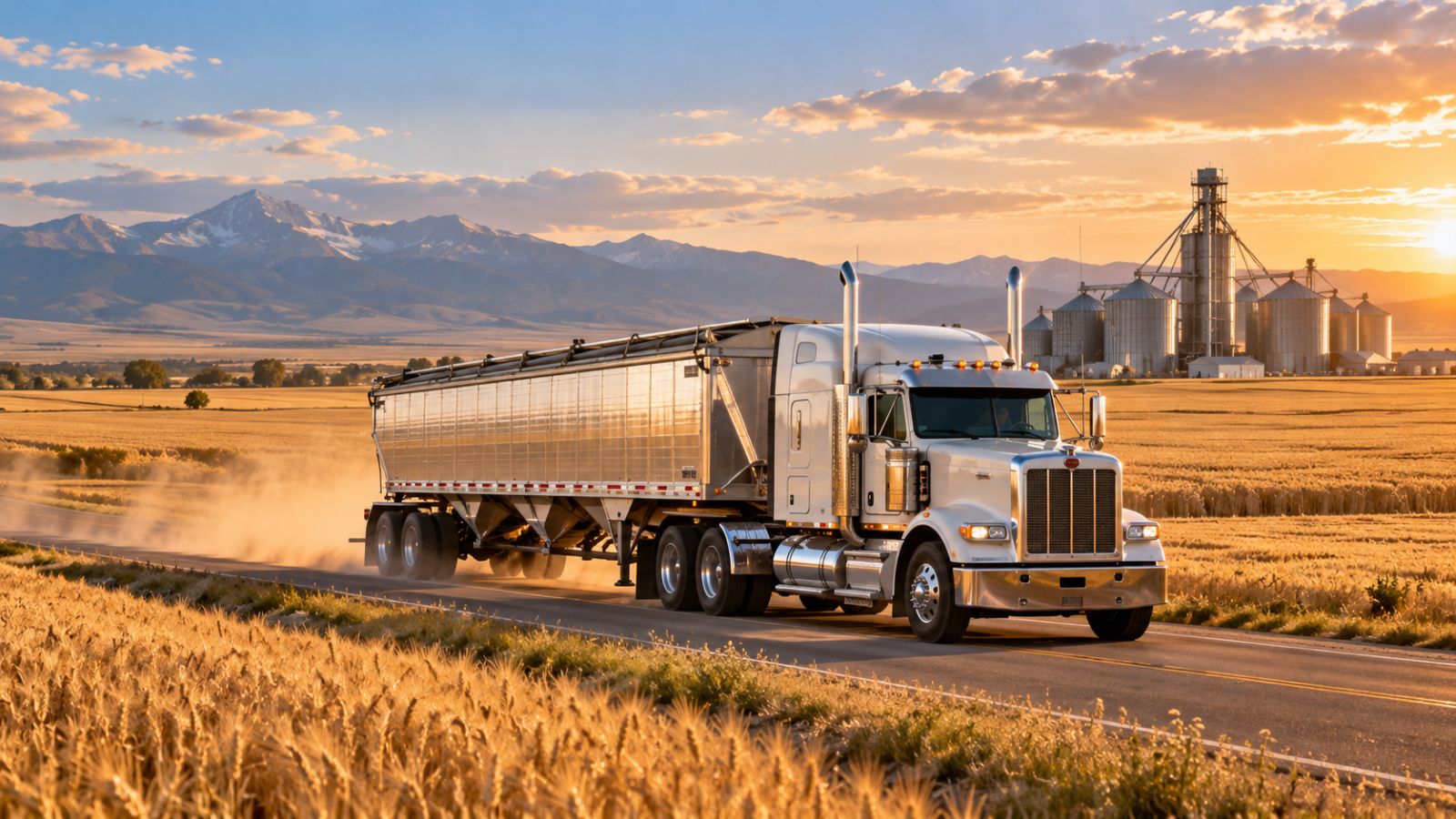
Grain Hauling Insurance in Colorado
Colorado grain hauling comes with risks that regular freight operations may not face.
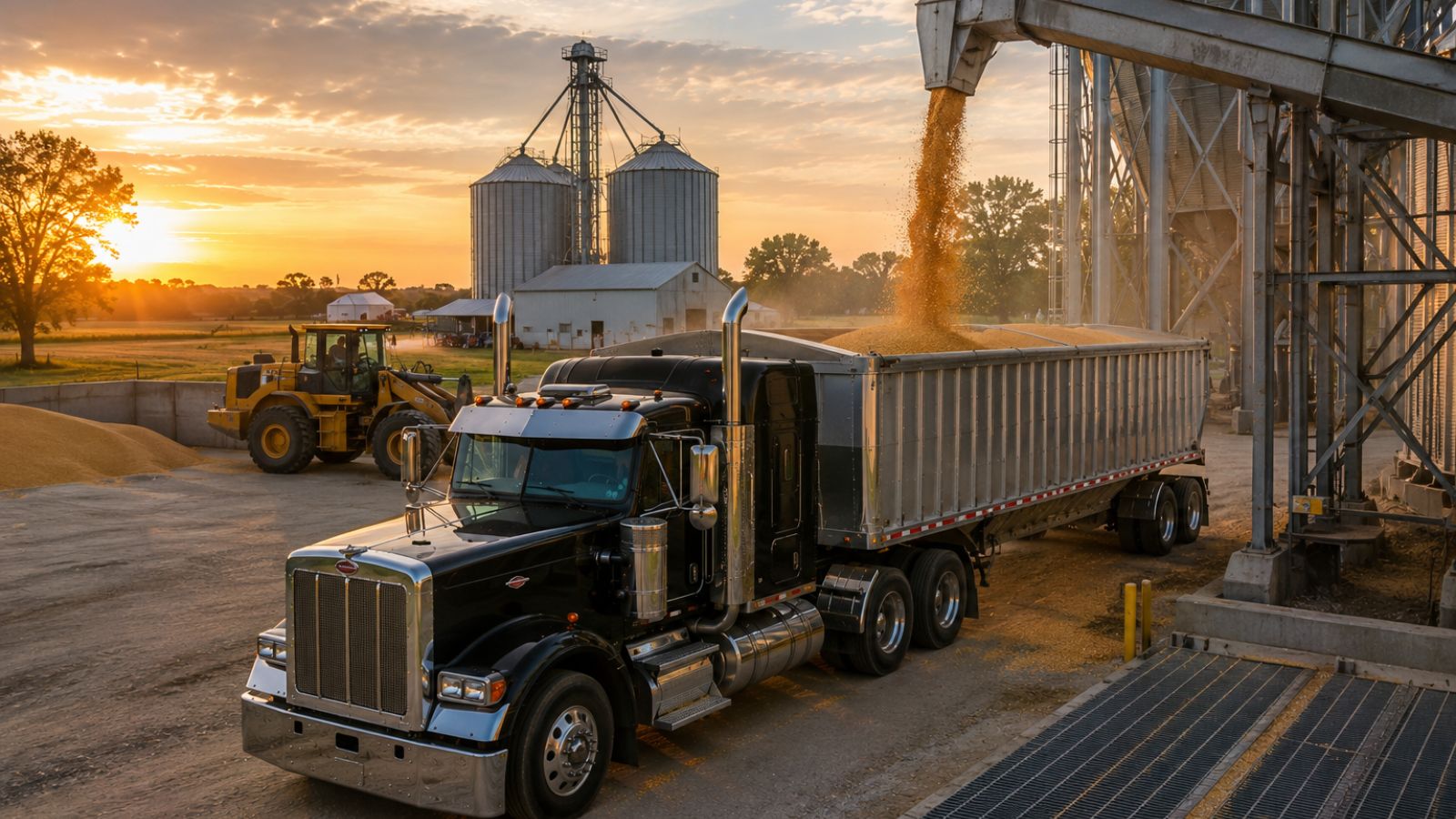
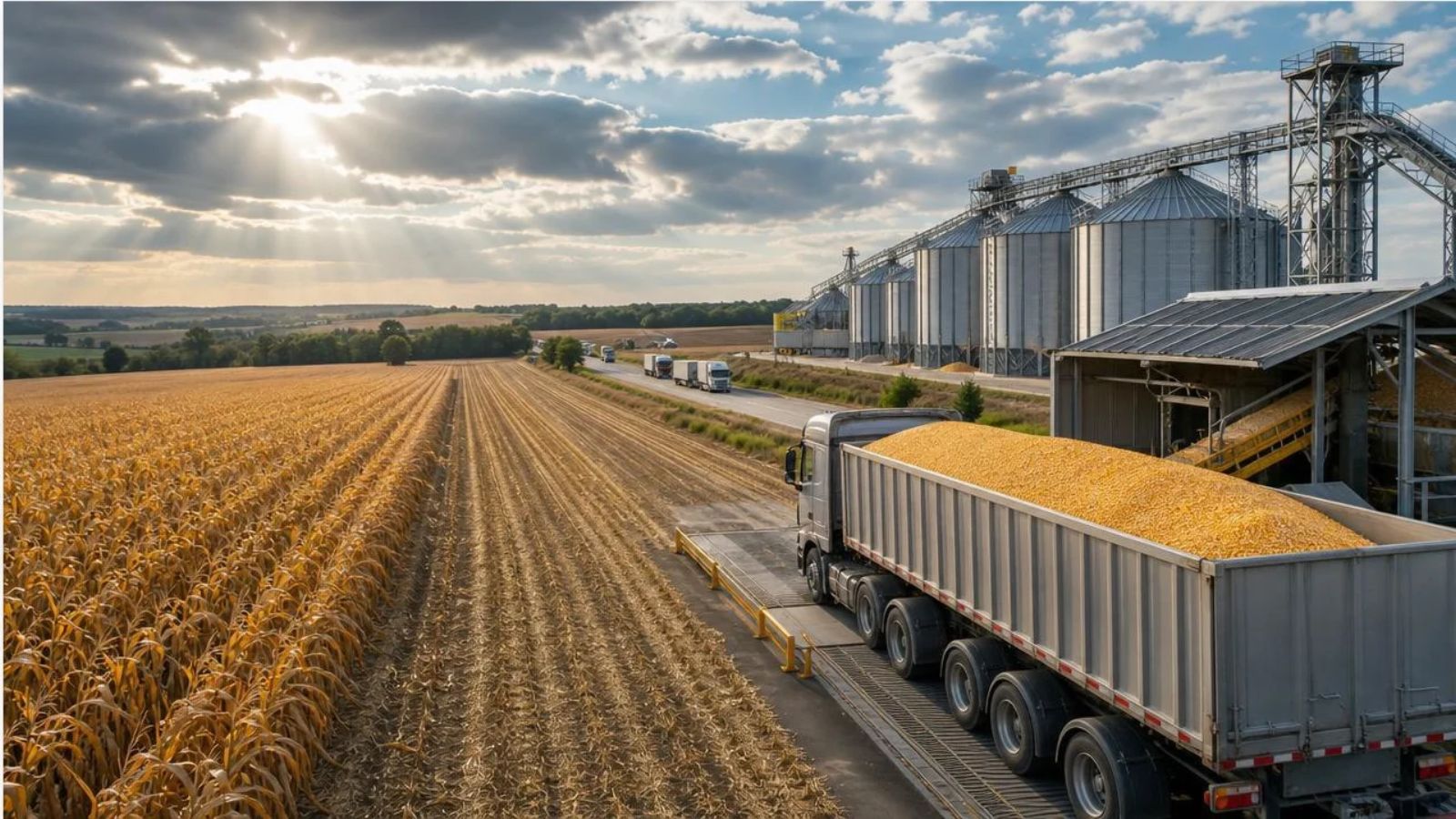
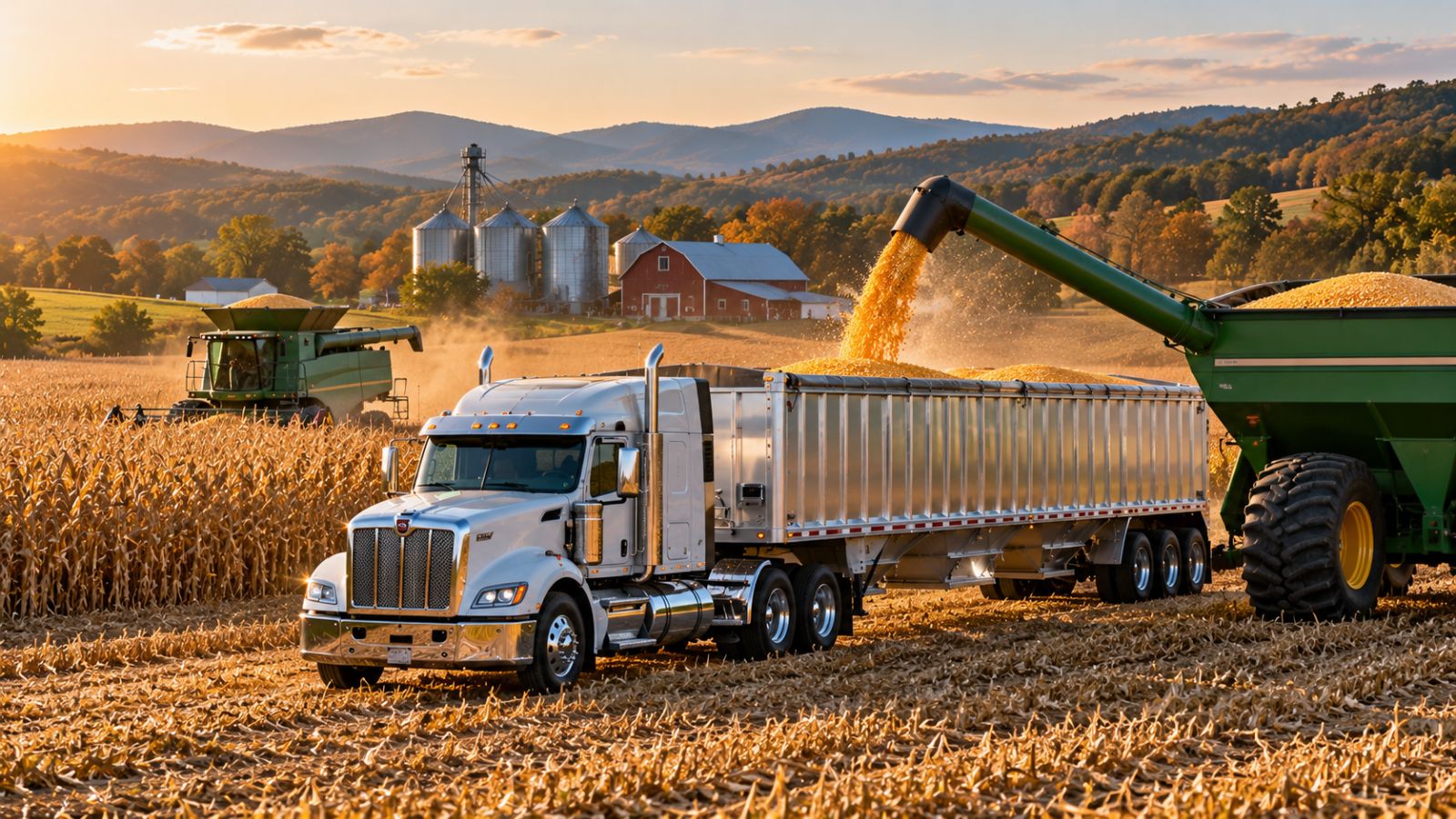
Drivers haul wheat, corn, barley, sorghum, and other commodities from farms to grain elevators, feedlots, storage facilities, and processors.
Between harvest traffic, rural roads, heavy loads, and changing Colorado weather, the right trucking insurance matters.
What Insurance Do Colorado Grain Haulers Need?
Your coverage should match how you actually operate.
Common coverages include:
- Commercial auto liability
- Motor truck cargo
- Tractor physical damage
- Hopper-bottom trailer physical damage
- General liability
- Towing and roadside coverage
If you haul grain for other people, make sure your insurance company knows you’re operating for hire.
Grain Cargo Insurance
A full hopper trailer can carry a valuable load.
If the truck rolls over or the trailer is damaged, you could be dealing with spilled grain, contaminated product, recovery costs, and lost cargo.
Motor truck cargo insurance may help cover grain belonging to a customer when it is damaged by a covered loss.
Don’t assume every commodity or type of loss is automatically covered. Check your policy.
Hopper-Bottom Trailer Insurance
Your hopper-bottom trailer can be one of the most valuable pieces of equipment in the operation.
Physical damage coverage can help protect a scheduled trailer from covered losses such as:
Collision • Rollover • Fire • Theft • Wind • Hail
Colorado weather makes wind and hail especially worth discussing with your insurance agent.
Colorado Grain Hauling Risks
Much of Colorado’s grain production and hauling activity takes place across the eastern part of the state.
Drivers may spend significant time on rural highways, farm roads, and around grain elevators.
Common risks include:
High winds • Snow and ice • Heavy harvest traffic • Gravel roads • Tight elevator yards • Heavy loads
A loaded hopper-bottom handles much differently than an empty trailer, especially during braking and turns.
Example: Hopper Trailer Rollover
A driver is hauling wheat from a Colorado farm to an elevator.
The trailer leaves the roadway and rolls.
Now the operation could be dealing with:
Tractor damage. Hopper trailer damage. Spilled wheat. Towing. Recovery. Cleanup.
If the grain belongs to a customer, there may also be a cargo claim.
One accident can involve several different parts of your insurance program.
Grain Elevator Risks
Not every claim happens on the highway.
Grain haulers regularly maneuver around scales, dump pits, augers, bins, other trucks, and tight elevator yards.
Backing accidents and property damage can happen quickly.
Drivers should slow down and know exactly where the trailer is before entering or leaving an unloading area.
DOT and Weight Compliance
Weight matters in grain hauling.
Drivers and carriers should pay attention to:
Gross vehicle weight • Axle weights • Tires • Brakes • Lights • Vehicle condition
Agricultural exemptions may apply to certain operations, but they don’t automatically apply to every truck or trip.
If you cross state lines, additional federal requirements may also apply depending on the operation.
How Much Does Grain Hauling Insurance Cost in Colorado?
There isn’t one standard price.
Insurance companies may look at:
- Driver experience
- DOT safety history
- Previous claims
- Operating radius
- Number of trucks
- Tractor values
- Hopper trailer values
- Cargo limits
- Commodities hauled
An owner-operator hauling locally will usually be rated differently from a fleet running grain throughout Colorado and neighboring states.