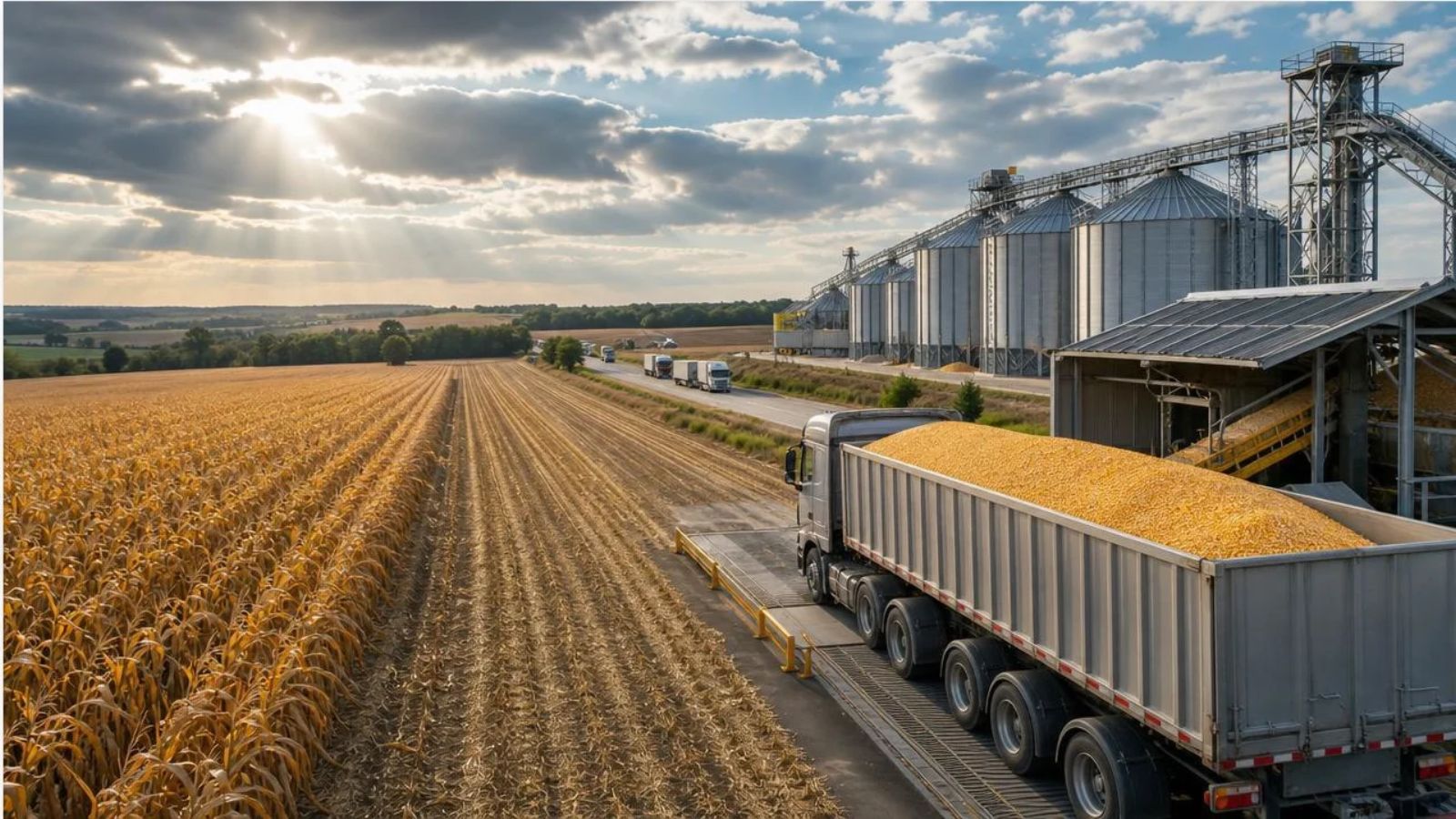
Grain Hauling Insurance in Missouri
Missouri grain hauling keeps trucks moving between farms, grain elevators, river terminals, feed mills, and processing facilities.
Whether you’re hauling corn out of central Missouri, soybeans across northern Missouri, or grain to a Mississippi River terminal, your operation faces risks that ordinary freight carriers may not deal with every day.
A damaged hopper-bottom trailer, spilled load of soybeans, or rollover during harvest can turn into an expensive claim.
Missouri grain hauling insurance should protect your truck, trailer, cargo, and the business behind them.
What Insurance Do Missouri Grain Haulers Need?
The right coverage depends on whether you haul your own grain, haul for other farmers, or operate under your own trucking authority.
Most for-hire grain hauling operations should review several important coverages.
Commercial Auto Liability
Commercial auto liability helps protect your business when an insured truck causes bodily injury or property damage to others in a covered accident.
For example, if your grain truck collides with another vehicle near a busy grain elevator, liability insurance may respond to covered third-party damages.
Required limits depend on the operation, vehicle, cargo, and applicable state or federal rules.
Motor Truck Cargo Insurance
Grain cargo insurance is especially important when hauling commodities owned by someone else.
A full hopper trailer of corn or soybeans can represent a significant financial exposure.
Motor truck cargo coverage may help pay for damaged or lost grain following a covered event, such as a rollover or collision.
However, not every cargo policy covers every type of grain loss. Spillage, contamination, moisture damage, shortage, and improper loading may be treated differently.
Tractor Physical Damage
Physical damage insurance helps protect your own tractor against covered losses.
This generally includes collision coverage and comprehensive or specified-perils protection, depending on the policy.
If your truck is financed, the lender may require physical damage coverage.
Hopper Bottom Trailer Insurance
A hopper-bottom trailer is a major investment.
Trailer physical damage coverage can help protect it against covered damage from accidents, rollovers, fire, theft, wind, or hail.
Make sure your trailer is properly listed on the policy, with an appropriate insured value.
Why Hopper Bottom Insurance Matters in Missouri
Hopper-bottom trailers spend considerable time around farm lanes, grain bins, scales, elevator pits, and narrow unloading areas.
Damage can happen without a major highway accident.
A driver might strike an overhead structure, damage the trailer while maneuvering around an elevator, or roll a trailer after leaving a soft road shoulder.
Missouri’s storms and severe weather can also create problems for parked equipment.
One important question: Does your policy cover the trailer while it is detached from the tractor?
Coverage for owned, borrowed, leased, and non-owned trailers can differ. Review those details before harvest season.
Missouri Grain Cargo: Corn, Soybeans, Wheat, and More
Missouri grain haulers commonly transport:
- Corn and soybeans
- Wheat and other small grains
- Grain used for livestock feed
- Agricultural commodities moving to processors or river terminals
Commodity prices change, and so does the value of a full load.
If your cargo limit was established several years ago, it may not reflect what you haul today.
For example, a trucker with a $50,000 cargo limit should verify that the limit is enough for the maximum value of grain being transported.
Also check whether your policy has a per-vehicle limit, per-occurrence limit, deductible, or commodity-specific restrictions.
Example: Grain Truck Rollover During Harvest
A Missouri grain hauler picks up a load of soybeans from a farm and heads toward a local elevator.
While navigating a narrow rural road, the trailer drops onto a soft shoulder. The driver loses control, and the tractor and hopper-bottom trailer overturn.
The accident damages the tractor, bends the trailer, and spills soybeans into the ditch.
Several different expenses may follow.
Tractor repairs: Physical damage coverage may apply.
Hopper trailer repairs: Scheduled trailer physical damage coverage may apply.
Lost soybeans: Motor truck cargo coverage may respond if the grain belongs to a customer and the loss is covered.
Towing and recovery: Coverage depends on the policy’s towing, recovery, and related expense provisions.
This is why having liability insurance alone is not enough to protect a grain hauling business.
Missouri Grain Hauling Risks: Weather, Roads, and Harvest Traffic
Missouri grain hauling operations face different conditions throughout the year.
In northern and central Missouri, harvest season brings heavy truck traffic around elevators and grain facilities.
Across rural parts of the state, narrow roads, gravel surfaces, soft shoulders, and farm entrances can create additional hazards.
Severe thunderstorms, hail, heavy rain, ice, and occasional flooding can interrupt routes or damage equipment.
Drivers should also watch for changing traction and visibility when traveling between farm fields and paved highways.
Empty hopper-bottom trailers can be particularly vulnerable to strong crosswinds because of their large side profile.
Grain Elevator and Unloading Accidents
Some grain hauling claims happen at the destination rather than on the road.
Drivers regularly work around grain pits, scales, augers, overhead structures, and other trucks.
Backing into equipment or damaging a customer’s property can create a liability claim.
Damage to your own trailer may require physical damage coverage.
A separate issue is grain that is rejected because of moisture, contamination, or quality problems. Do not assume a standard cargo policy automatically covers rejected grain.
Discuss these exposures before a claim happens.
DOT Compliance for Missouri Grain Haulers
Grain hauling is still commercial trucking, and safety requirements matter.
Depending on the operation, drivers and carriers may need to comply with applicable rules covering:
Vehicle weight, axle limits, brakes, tires, inspections, driver qualifications, hours of service, and operating authority.
Certain agricultural exemptions may apply when specific conditions are met, but they are not blanket exemptions for every grain hauling trip.
For interstate operations, review the applicable FMCSA requirements and state-specific rules.
Insurance companies may also consider roadside inspections, crashes, violations, and other safety information when evaluating a trucking account.
How Much Does Grain Hauling Insurance Cost in Missouri?
There is no single insurance price for every Missouri grain hauler.
Rates depend on your operation and risk profile.
Insurers commonly review driver experience, claims history, DOT safety records, operating radius, equipment values, cargo limits, and the number of trucks.
A single owner-operator hauling locally may have different insurance needs than a five-truck fleet moving grain across Missouri, Iowa, Kansas, Illinois, and Arkansas.
One way to avoid unnecessary coverage problems is to describe your operation accurately.
Tell your agent whether you haul your own grain, haul for hire, operate seasonally, use leased trailers, or transport multiple commodities.