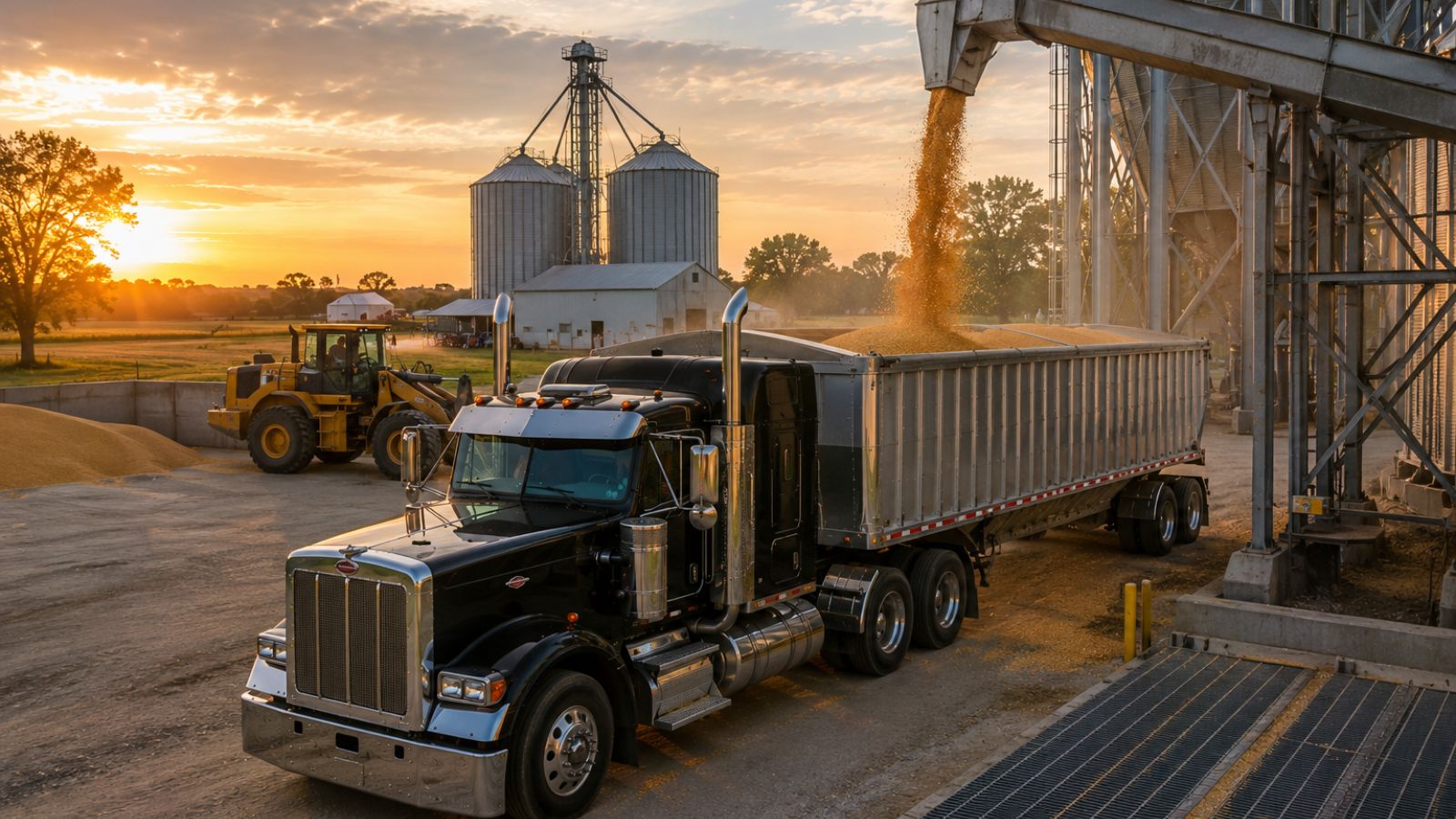
Grain Hauling Insurance in Florida: What Agricultural Truckers Need to Know
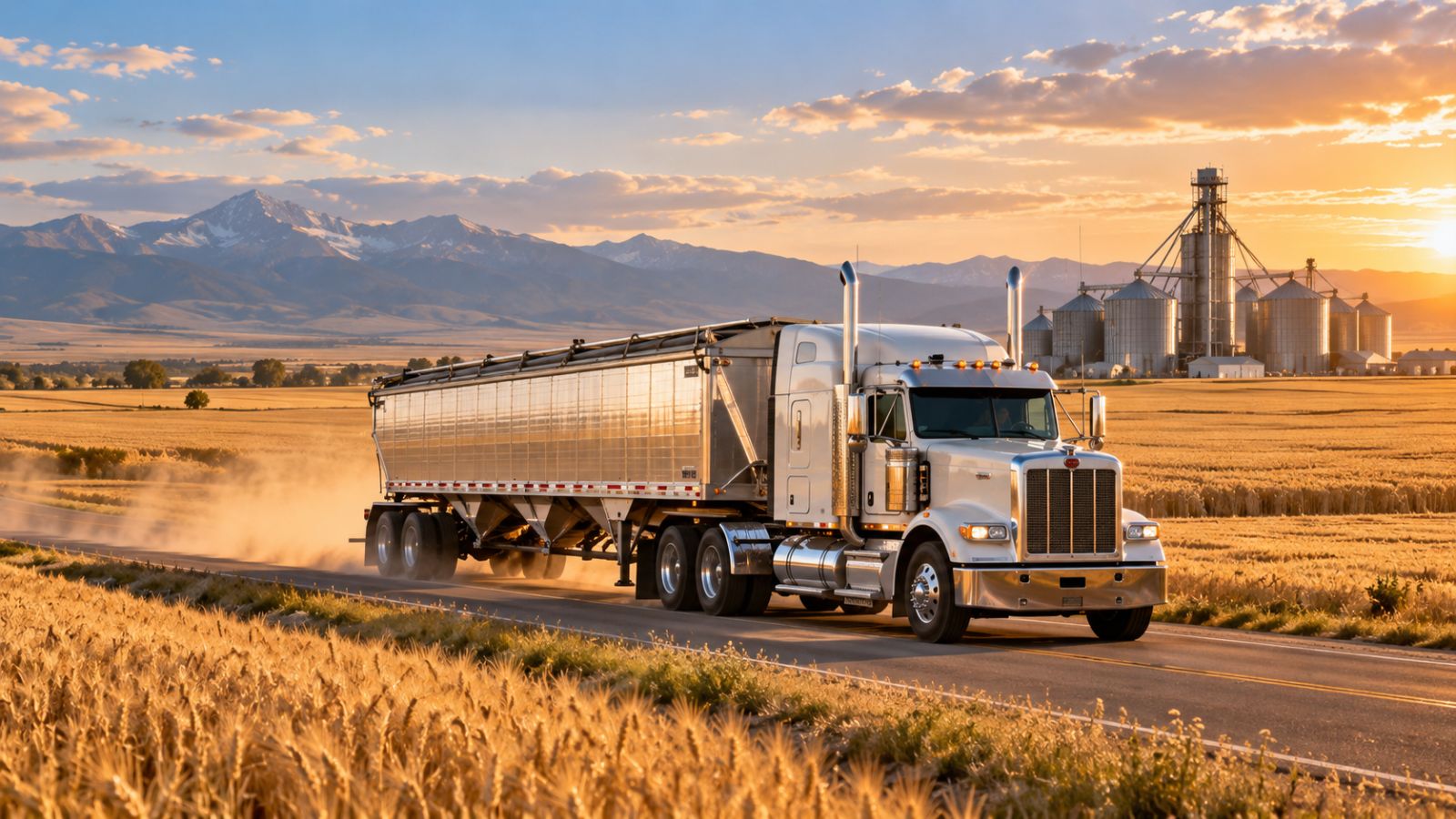
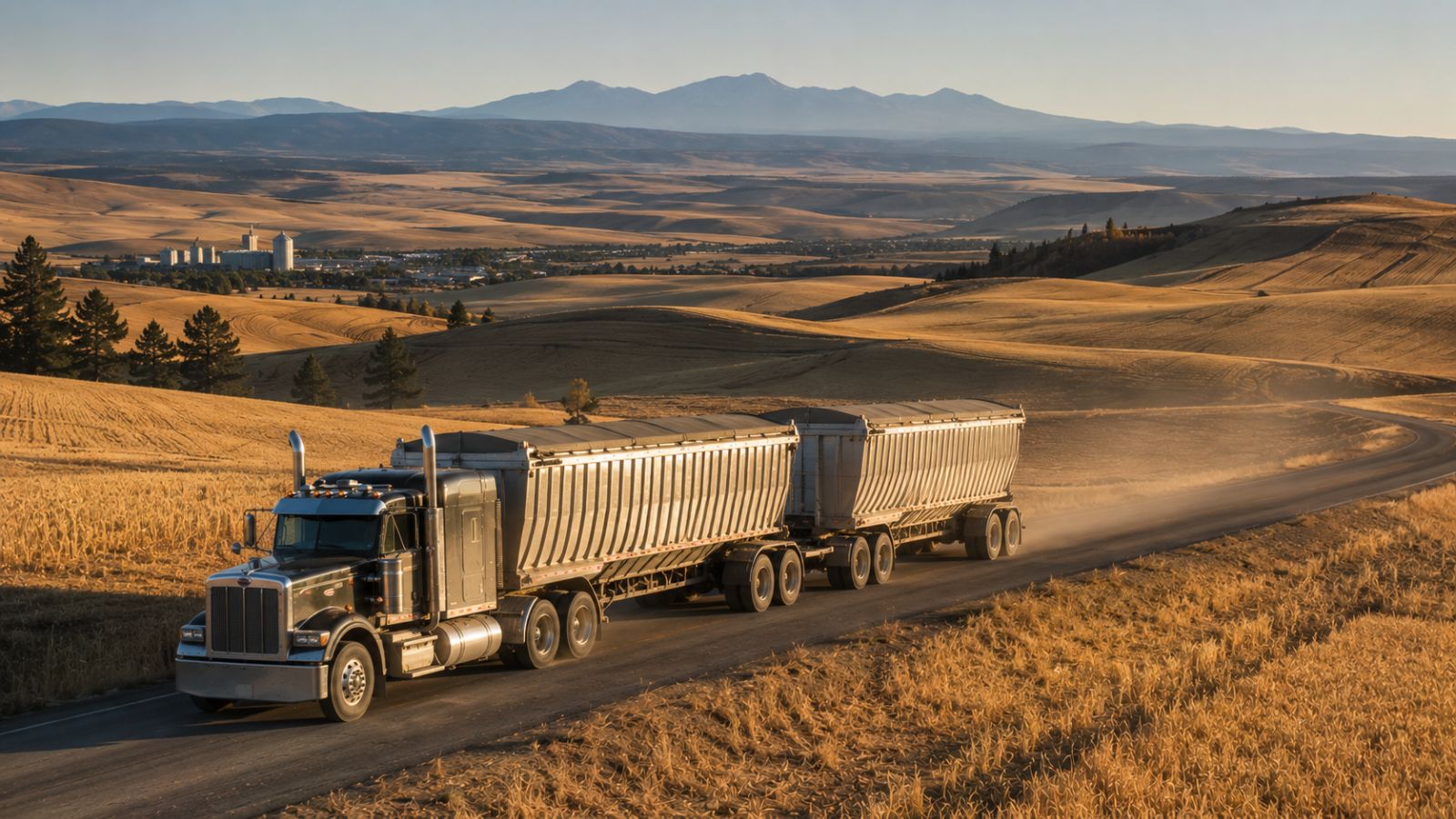
Florida agriculture depends on trucks to move grain, feed ingredients, and other dry commodities between farms, elevators, storage facilities, feed operations, and processors. Grain hauling insurance in Florida should account for heavy loads, hopper bottom trailers, changing commodity values, seasonal operations, and the actual routes your trucks run.
A grain hauler is not necessarily the same insurance risk as a general freight carrier. Whether you operate one truck or a fleet of hopper bottoms, the policy should accurately reflect what you haul and how you operate.
Grain Hauling Creates Different Trucking Risks
Grain trucking can look straightforward. Load the hopper, get to the destination, unload, and head back for another load.
The insurance risks are more complicated.
A loaded hopper bottom can carry a substantial amount of cargo. Trucks may operate on narrow rural roads, enter farms and elevators, encounter soft shoulders, and spend considerable time around loading and unloading equipment.
Harvest can also increase mileage and workload. More trucks and agricultural equipment are on the road, and drivers may make repeated trips between farms and grain facilities.
Those conditions increase the importance of experienced drivers and properly maintained equipment.
Cargo Values Can Change
One issue grain haulers should review regularly is their motor truck cargo limit.
Commodity prices change. The trailer may hold the same amount of grain from one year to the next, but the dollar value of that load can be significantly different.
Your cargo limit should be based on the maximum value you could realistically have in the trailer, not simply what a typical load was worth when you originally purchased the policy.
This becomes even more important if your company starts transporting higher-value commodities or feed ingredients.
Insurance Coverage for Florida Grain Haulers
Commercial Auto Liability
Commercial auto liability helps protect your trucking company when a covered accident results in bodily injury or property damage for which you’re legally responsible.
Loaded grain trucks are heavy commercial vehicles. A collision can create a substantial liability claim, particularly on higher-speed highways.
Physical Damage Coverage
Physical damage insurance can protect your tractor against covered collision and comprehensive losses.
Keep equipment values current. Trucks change in value, and recently purchased or upgraded equipment should be properly reported to the insurance company.
Motor Truck Cargo Insurance
Motor truck cargo insurance protects covered commodities while they’re in your care.
Florida grain haulers should review the commodities listed on their policy, cargo limits, deductibles, exclusions, and when coverage begins and ends.
Don’t assume a policy written for grain automatically covers every agricultural commodity you might put in the trailer.
Hopper Bottom Trailer Insurance
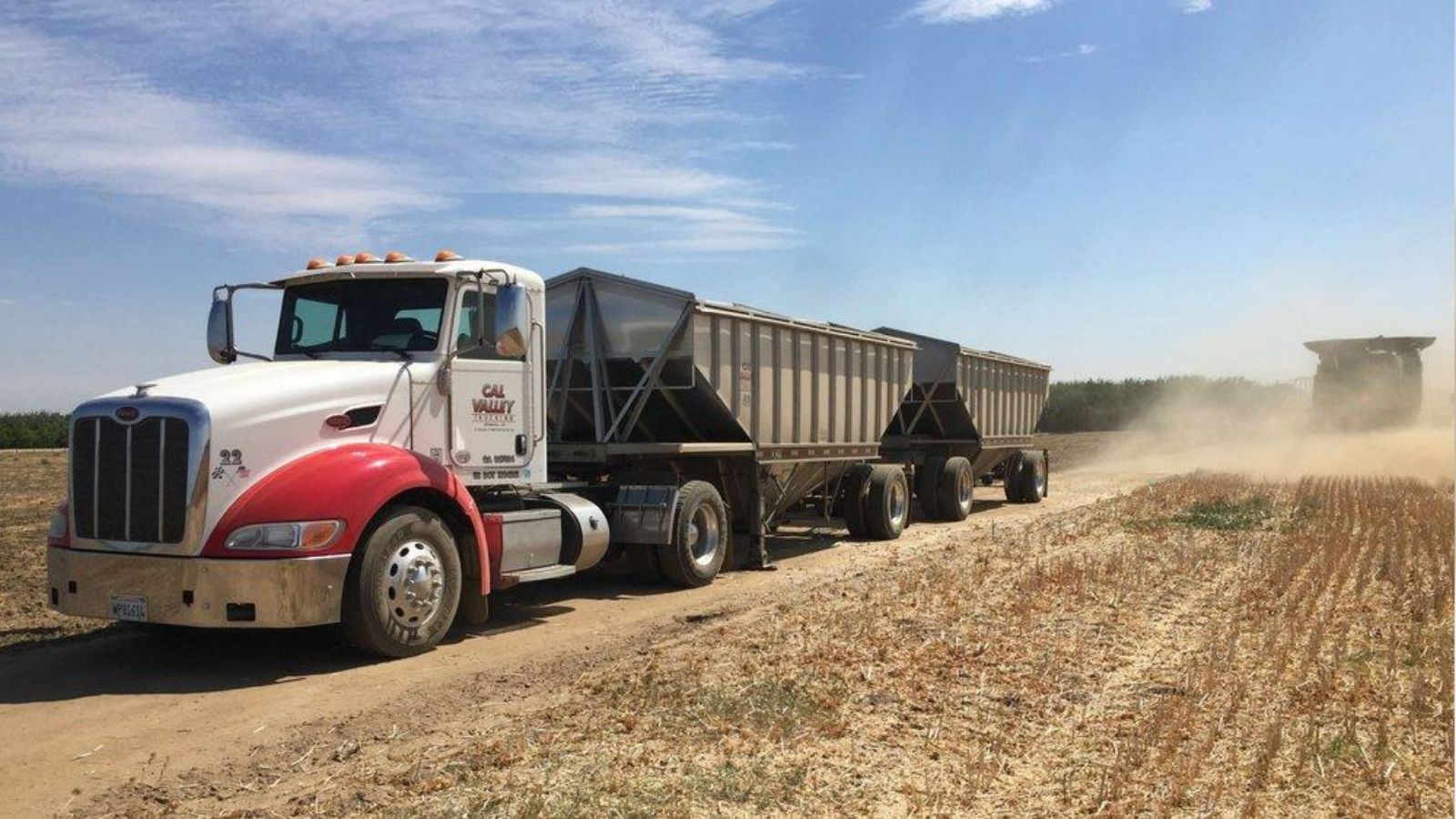
Hopper bottom trailers are a major part of a grain hauling operation and can be expensive to repair or replace.
Physical damage coverage can protect properly insured trailers against covered losses such as collisions, overturns, theft, fire, and certain weather-related events.
General Liability
General liability can address certain business liability exposures outside normal operation of the truck. The appropriate coverage depends on what your drivers and company do at farms, elevators, and customer facilities.
Florida Weather Can Create Expensive Grain Trucking Claims
Florida weather deserves particular attention.
Heavy rain can reduce visibility and create standing water. Tropical storms and hurricanes can disrupt routes and damage parked equipment. High winds can also create difficult driving conditions, particularly when a hopper trailer is empty.
Consider a loaded hopper bottom that leaves a wet rural road and overturns.
The tractor may be damaged. The hopper bottom could be totaled. Grain could spill across the road and surrounding property. Recovery equipment may be needed to remove the truck, trailer, and commodity.
One accident can involve physical damage, cargo loss, liability, towing, recovery, and cleanup expenses.
That’s why grain haulers need to look beyond basic liability insurance.
Hopper Bottom Maintenance Matters
A hopper bottom works hard, particularly during busy agricultural seasons.
Drivers should pay attention to tires, brakes, suspension components, lights, hopper doors, landing gear, tarp systems, and structural condition.
Pre-trip inspections matter for insurance and DOT compliance, but they also help prevent expensive downtime.
A trailer problem at the farm is inconvenient. A mechanical problem with a fully loaded trailer on the highway can become a much larger claim.
DOT Safety Can Affect Your Insurance
Insurance companies commonly review a motor carrier’s safety history during underwriting.
Roadside inspection results, accidents, driver violations, maintenance problems, and previous claims can all affect eligibility and pricing.
A few bad inspections can become particularly problematic for a small fleet because there may not be many clean inspections to offset them.
Good maintenance records, experienced drivers, and consistent safety practices can help make your operation more attractive to insurance companies.
Florida Grain Haulers May Transport More Than Grain
Many agricultural trucking companies don’t haul one commodity all year.
A hopper bottom operator may haul grain during one part of the year and switch to feed ingredients or other compatible dry agricultural commodities when customer demand changes.
Tell your insurance agent what you actually haul.
If the policy was written around one commodity but your operation has expanded into others, there could be a coverage problem when a claim occurs.
What Does Grain Hauling Insurance Cost in Florida?
There isn’t one standard rate.
Insurance companies may consider the number of trucks, tractor and trailer values, driver experience, operating radius, commodities hauled, cargo limits, DOT safety history, previous claims, annual mileage, and years in business.
An owner-operator running one hopper bottom locally presents a different risk than a fleet running agricultural commodities throughout Florida and neighboring states.