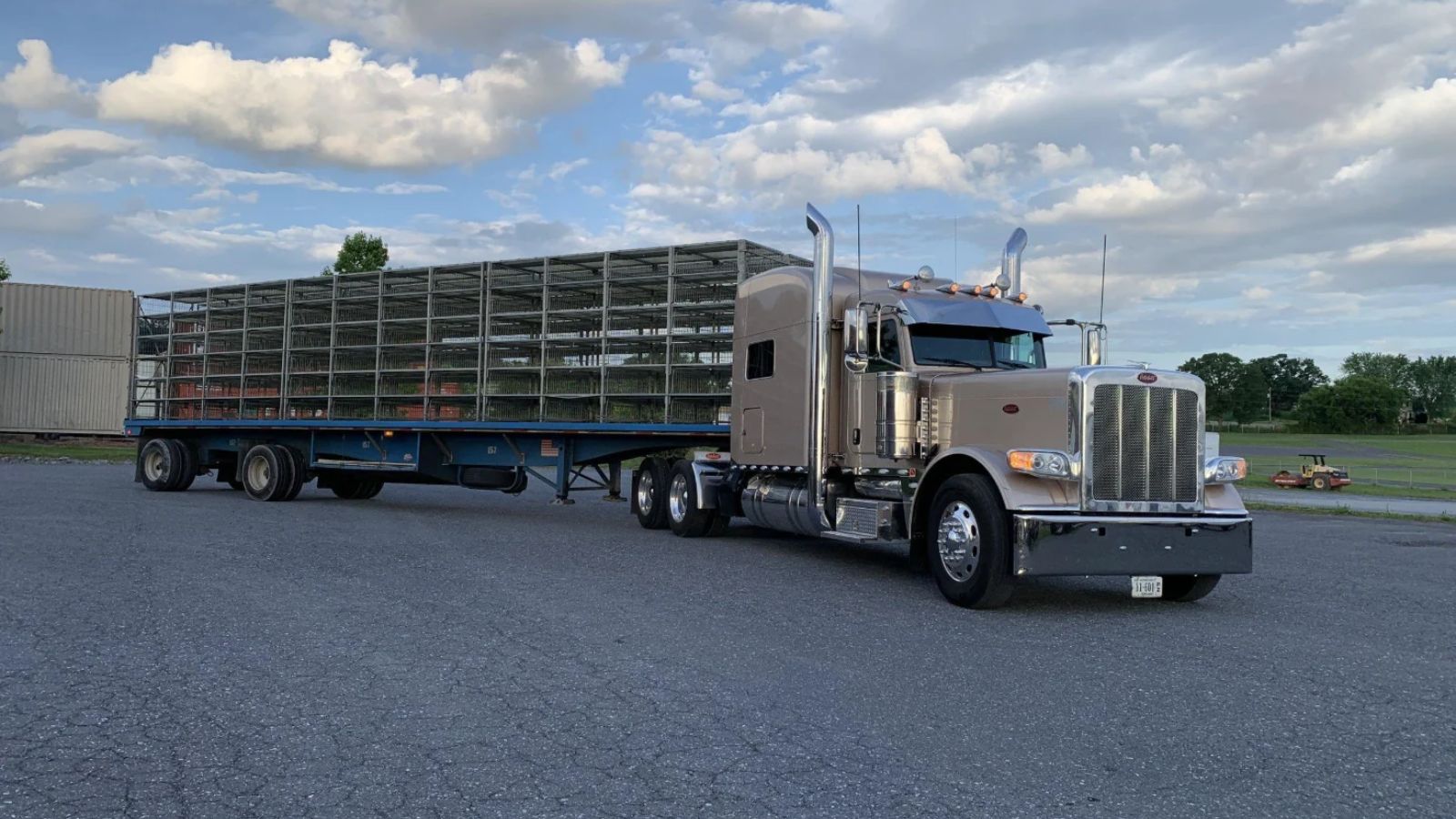
Livestock Hauling Insurance in Virginia
Hauling cattle or hogs in Virginia comes with risks that regular freight truckers don’t face. You’re transporting live animals. They can get injured, become stressed, or escape during transportation. One trailer rollover, equipment failure, or unexpected delay can turn into an expensive claim. Virginia also has narrow farm roads, mountain grades, and busy highways like Interstate 81.
That’s why livestock hauling insurance in Virginia should protect more than just your truck.
Your livestock trailer, the animals you’re hauling, and your daily routes all matter.
What Insurance Do Virginia Livestock Haulers Need?
Not every trucking insurance policy automatically covers livestock.
Here are the main coverages to review.
Commercial Auto Liability
Commercial auto liability helps pay for covered injuries and property damage you cause to other people.
For example, your cattle truck is involved in an accident near Harrisonburg. If your driver is responsible, liability insurance may help cover the other driver’s injuries and vehicle damage. Your required limits depend on your operation and applicable regulations.
Livestock Cargo Insurance
Livestock cargo insurance helps protect against certain covered losses involving animals you’re transporting. Imagine your cattle trailer overturns and several animals are injured. A livestock cargo policy may help pay for eligible animal losses. But here’s something important.
Not every cargo policy covers animal mortality, heat stress, suffocation, or injuries during loading.
Ask your insurance agent about these risks before accepting livestock hauling contracts.
Livestock Trailer Insurance
Aluminum cattle trailers and livestock pots can be expensive to repair. Physical damage insurance may help pay for covered trailer damage caused by collisions, rollovers, theft, or certain weather events.
Make sure your livestock trailer is properly listed on your policy.
Tractor Physical Damage
Your tractor needs protection too. Collision and comprehensive insurance may help pay for covered truck damage. An accident that takes your tractor off the road can interrupt scheduled livestock deliveries.
Common Livestock Hauling Claims in Virginia
Livestock trucking claims can involve damaged equipment, injured animals, and liability to other drivers.
Here are three examples.
1. Cattle Trailer Rollover
A cattle hauler is driving through western Virginia. The truck enters a curve too quickly, and the trailer overturns. The tractor and trailer are damaged. Several cattle are injured. Physical damage insurance may cover the truck and trailer. Livestock cargo insurance may cover eligible animal losses. Veterinary care, animal recovery, and cleanup expenses depend on the policy.
2. Cattle Escape After an Accident
A livestock truck is involved in a collision near a farm entrance. The trailer gate breaks, and several cattle escape. One animal runs onto the road and damages a passing vehicle. This can create both a cargo claim and a liability claim. Coverage depends on the circumstances and policy terms.
3. Heat Stress During Transport
A livestock hauler experiences a long delay during hot summer weather. Poor ventilation and extended travel time cause animal stress. Several animals become sick or die. Standard cargo insurance may exclude heat-related mortality.
Never assume animal deaths are covered without checking your policy.
Virginia Mountain Roads Create Extra Risks
Virginia livestock haulers deal with different road conditions throughout the state. Western Virginia has steep grades, sharp curves, and mountain highways.
Interstate 81 carries heavy truck traffic through the Shenandoah Valley. Rain, fog, and winter weather can make these routes more dangerous. Livestock trailers also handle differently from trailers carrying dry freight.
Animals can shift their weight while the truck is moving. That movement can affect trailer stability during turns and sudden braking. Drivers should pay attention to safe speeds, tire condition, brakes, trailer gates, and loading practices.
Cattle and Hog Hauling Across Virginia
Virginia has cattle farms, livestock markets, and hog operations that depend on reliable transportation. Livestock haulers may transport animals between farms, auctions, feedlots, and processing facilities. Some truckers operate entirely within Virginia. Others haul into North Carolina, Tennessee, West Virginia, Maryland, or Pennsylvania. Your insurance should reflect where you actually operate. A farmer hauling their own cattle may have different insurance needs than a for-hire trucking company.
Tell your agent whether you’re hauling your own livestock or transporting animals for customers.
Why Livestock Cargo Insurance Is Different
Livestock isn’t ordinary freight. Animals can become injured during loading, unloading, or transportation. They can also be affected by extreme temperatures, poor ventilation, or long delays. Some livestock cargo policies cover certain accident-related losses but exclude other causes of death. Before buying insurance, ask about animal mortality, injuries, escaped livestock, and loading and unloading losses. You should also review coverage for veterinary expenses and animal recovery.
These protections aren’t automatically included in every policy.
Loading and Unloading Livestock
Some livestock claims happen before the truck reaches the highway. A cow can slip on a loading ramp. A hog can become injured while entering the trailer. A damaged gate can allow animals to escape. Muddy farm entrances and uneven loading areas create additional risks.
Make sure your agent understands who handles loading and unloading.
Some cargo policies exclude losses during these activities.
Virginia DOT and Livestock Hauling Requirements
Many commercial livestock hauling operations must follow USDOT and applicable motor carrier safety rules. Interstate for-hire carriers may need FMCSA operating authority and required insurance filings. Certain qualifying agricultural operations may be eligible for specific exemptions. These exemptions depend on the operation and circumstances. Livestock haulers may also need animal health documentation when transporting animals across state lines.
Before accepting new routes, make sure your insurance and operating authority match your business.
How Much Does Livestock Hauling Insurance Cost in Virginia?
There isn’t one fixed price for livestock trucking insurance. Insurance companies consider your driving history, claims record, equipment values, operating radius, and number of trucks. The animals you haul also matter. A local cattle hauler may have different insurance needs than a company transporting hogs across several states. Cargo limits and available livestock mortality coverage can also affect your premium. If you haul high-value breeding cattle, make sure your cargo limits reflect the value of the animals. The best way to find out what you’ll pay is to request a quote based on your actual operation.