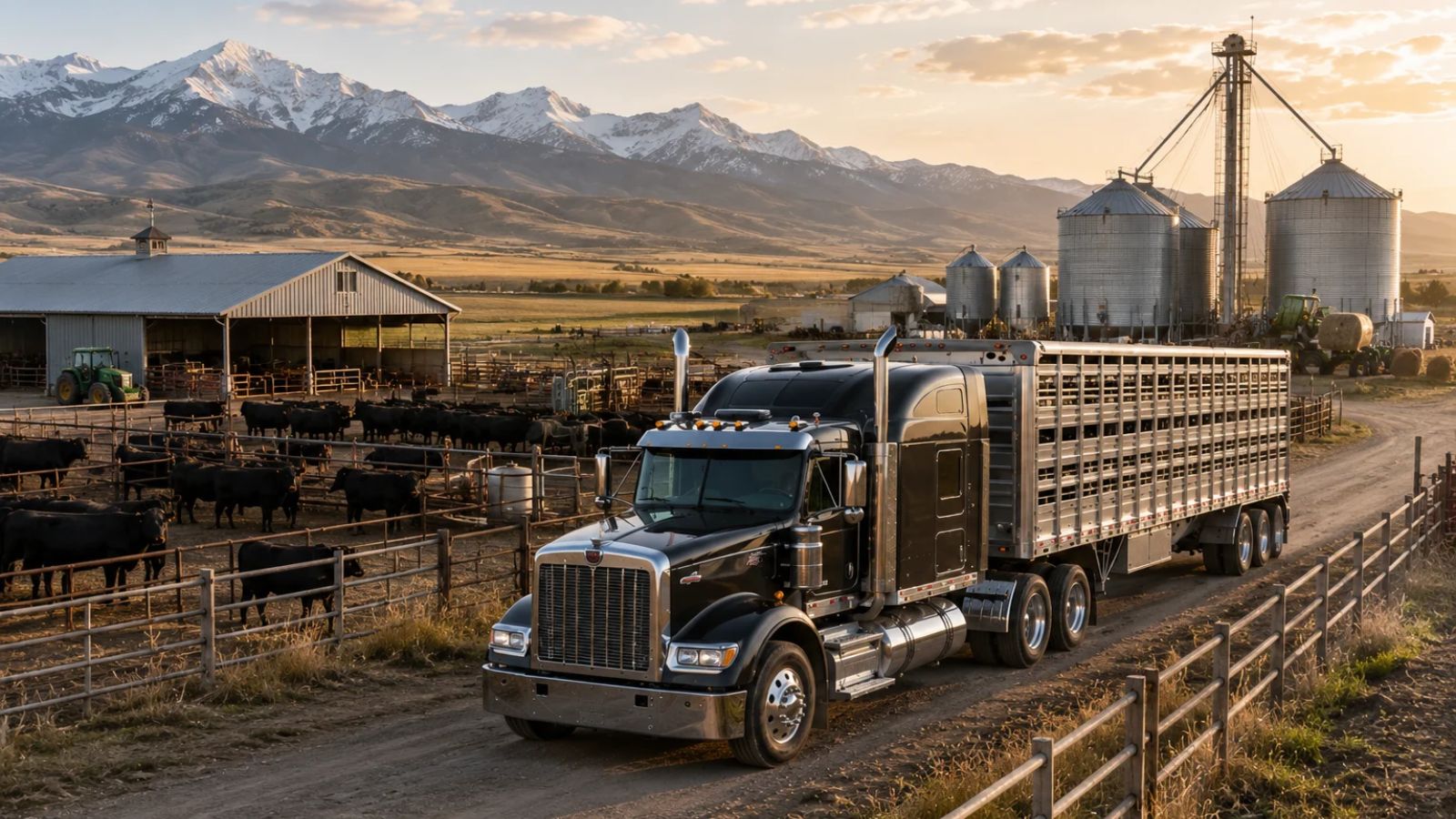
Colorado Cattle Haulers Face Different Risks
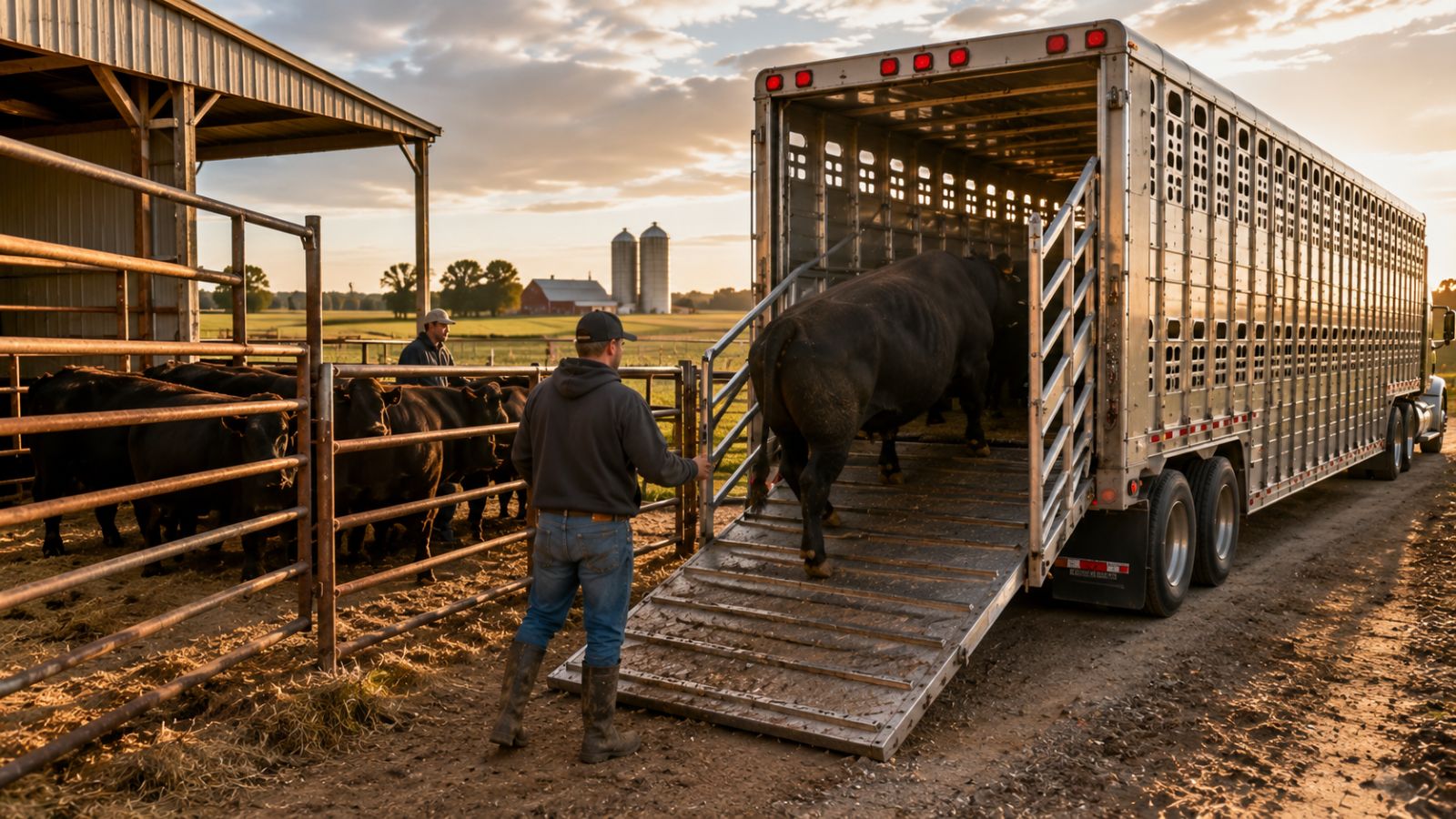
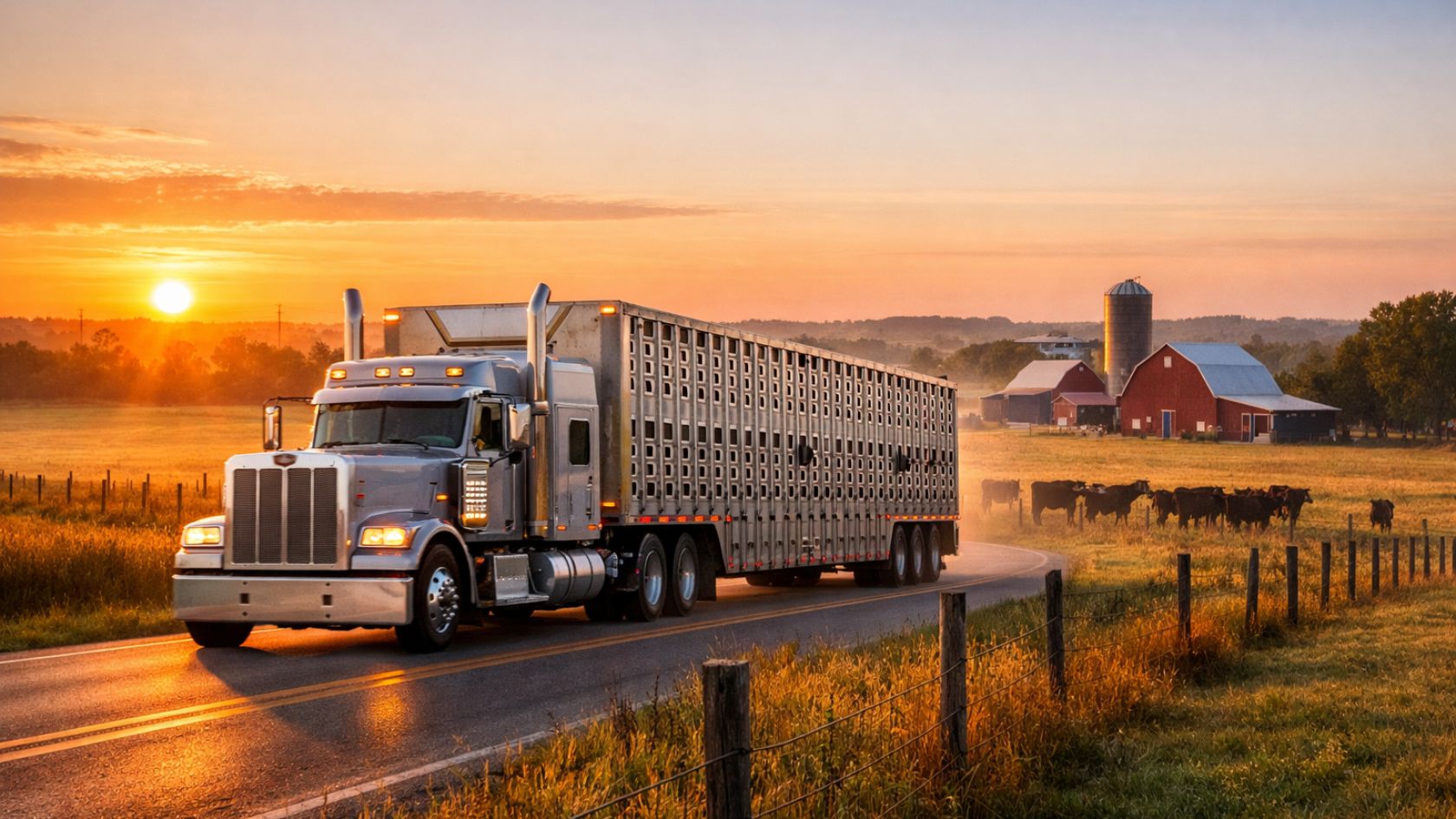
Hauling cattle in Colorado is different from hauling ordinary freight.
The cargo is alive, animals move during transport, and loading or unloading can create additional risk. Colorado drivers also deal with high winds, snow, ice, mountain grades, rural roads, and changing weather.
One serious accident can involve the tractor, cattle pot, livestock, cleanup, and liability at the same time.
That is why livestock hauling insurance needs to match the actual operation.
What Coverage Does a Cattle Hauler Need?
A Colorado livestock hauling operation may need:
- Commercial auto liability
- Livestock cargo insurance
- Tractor physical damage
- Cattle pot trailer coverage
- General liability
Make sure the insurance company knows you haul live cattle. A cargo policy designed for ordinary freight may not provide the protection you expect.
Livestock Cargo and Mortality Coverage
Livestock cargo insurance can become especially important after a rollover.
Cattle may be injured, escape from the trailer, require veterinary attention, or die after the accident.
Pay close attention to mortality coverage.
Some livestock cargo policies may limit how long after an accident an animal’s death is covered. Depending on the policy, that period could potentially be as short as 24 hours.
Ask your agent exactly how post-accident mortality is handled.
Check Your Cargo Limit
Don’t base your cargo limit only on an average load.
A load of feeder cattle can have a very different value from breeding stock, registered cattle, or other high-value livestock.
Compare your policy limit with the highest-value load you realistically haul.
Cattle Pot Trailer Insurance
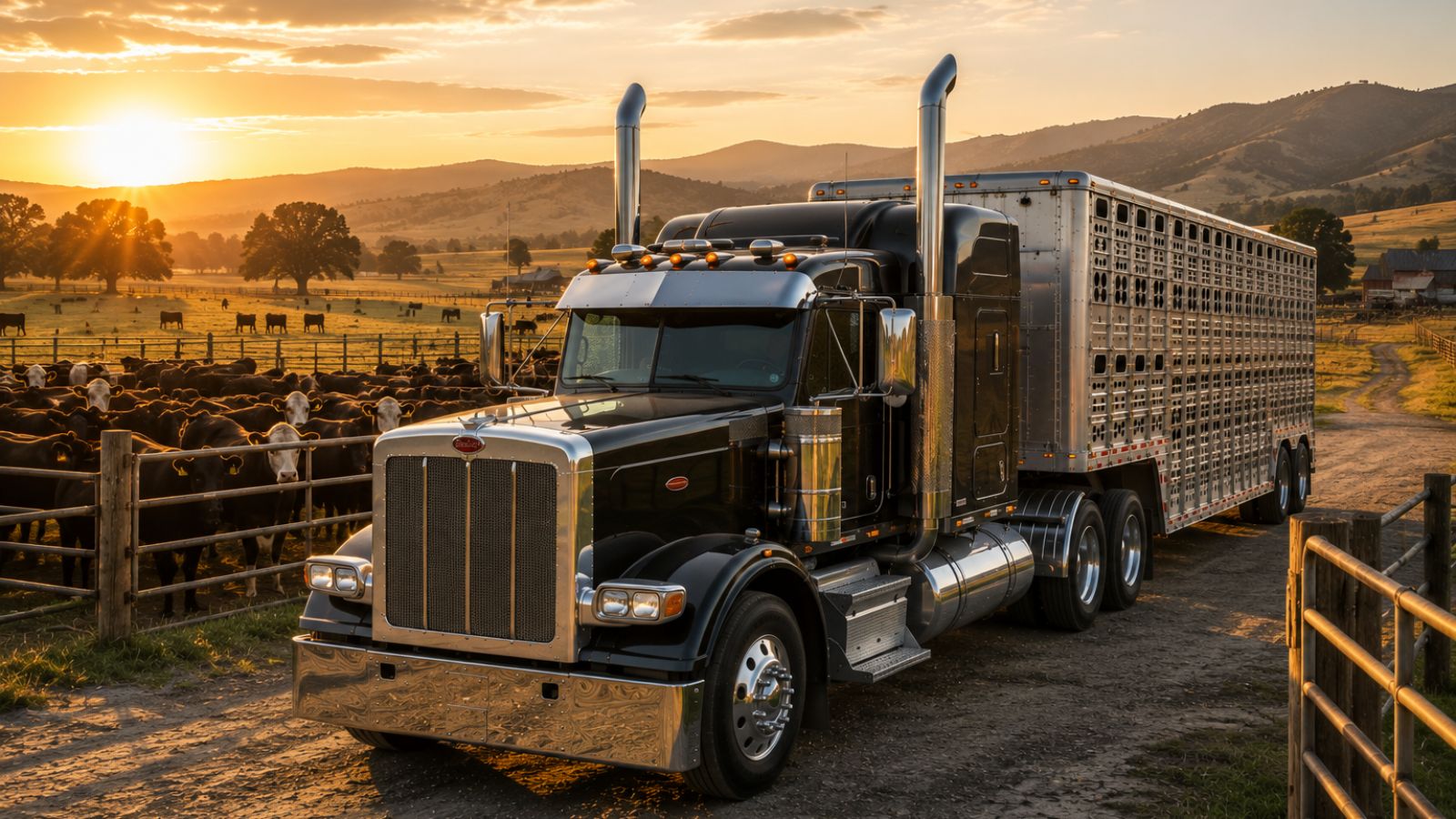
A modern aluminum cattle pot can be expensive to repair or replace.
Physical damage coverage can help protect an insured livestock trailer against covered losses such as collision, rollover, hail, wind, fire, and theft.
The trailer should also be insured at a realistic value.
Example: Colorado Cattle Truck Rollover
A loaded cattle truck drops onto a soft shoulder and rolls.
The tractor is damaged.
The cattle pot is heavily damaged.
Several cattle are injured and others escape.
Now the claim could involve tractor physical damage, trailer coverage, livestock cargo, liability, animal recovery, and cleanup.
This is why cattle hauling needs to be properly disclosed when the policy is written.
Colorado Roads and Weather
Colorado livestock haulers can face very different conditions depending on the route.
Eastern Colorado brings open prairie, high winds, severe storms, and blowing snow.
Mountain routes can mean steep grades, snow, ice, and rapidly changing conditions.
Brakes, tires, pre-trip inspections, and speed management are especially important when pulling a loaded cattle pot.
DOT Safety Matters
Agricultural and livestock operations may qualify for certain exemptions in specific situations, but hauling cattle does not automatically exempt a truck from every DOT requirement.
Driver qualifications, brakes, tires, lighting, inspections, maintenance, and hours-of-service rules can still matter.
A poor safety record can also affect trucking insurance underwriting.