Livestock Hauling Insurance in Oregon
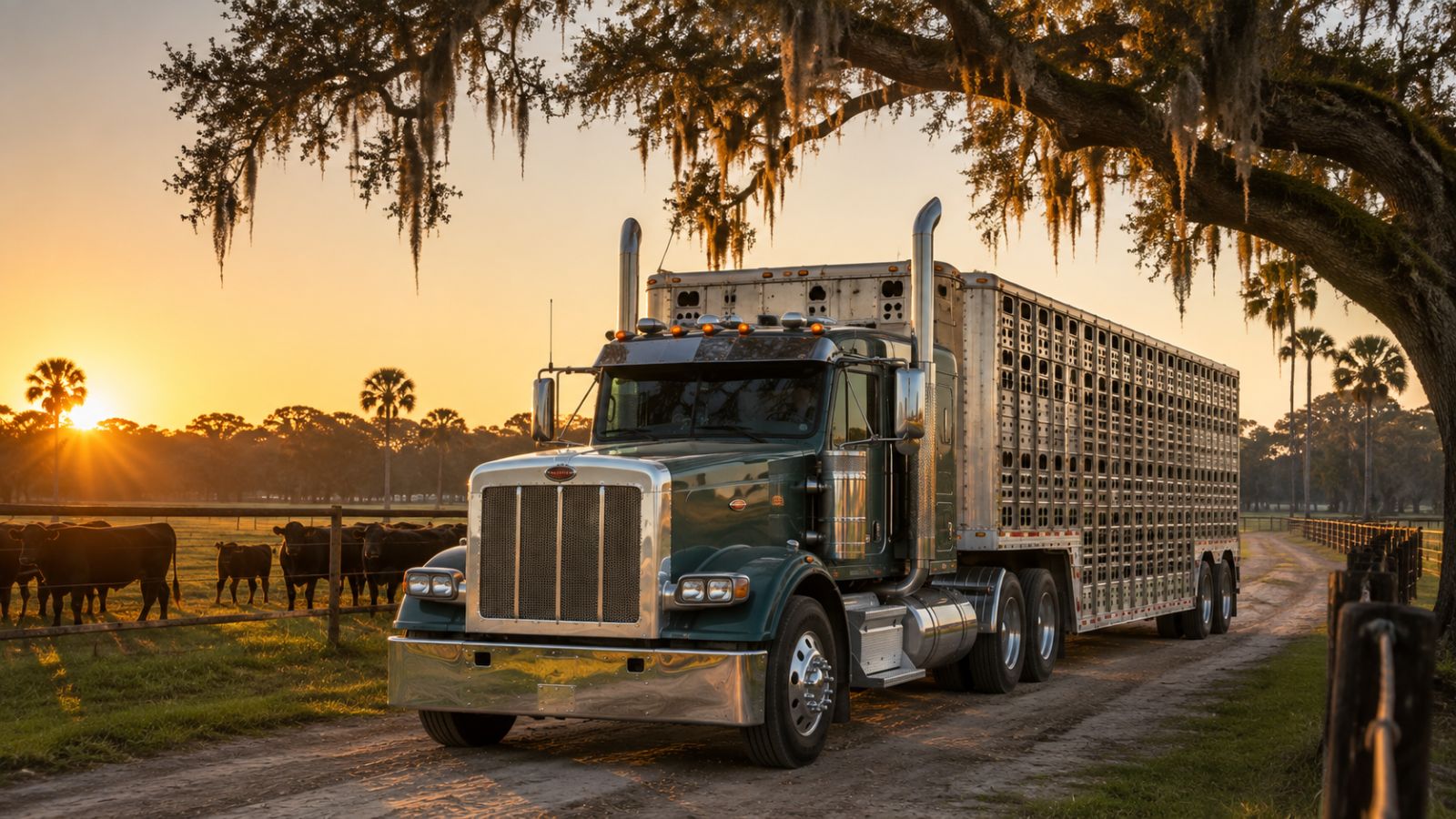
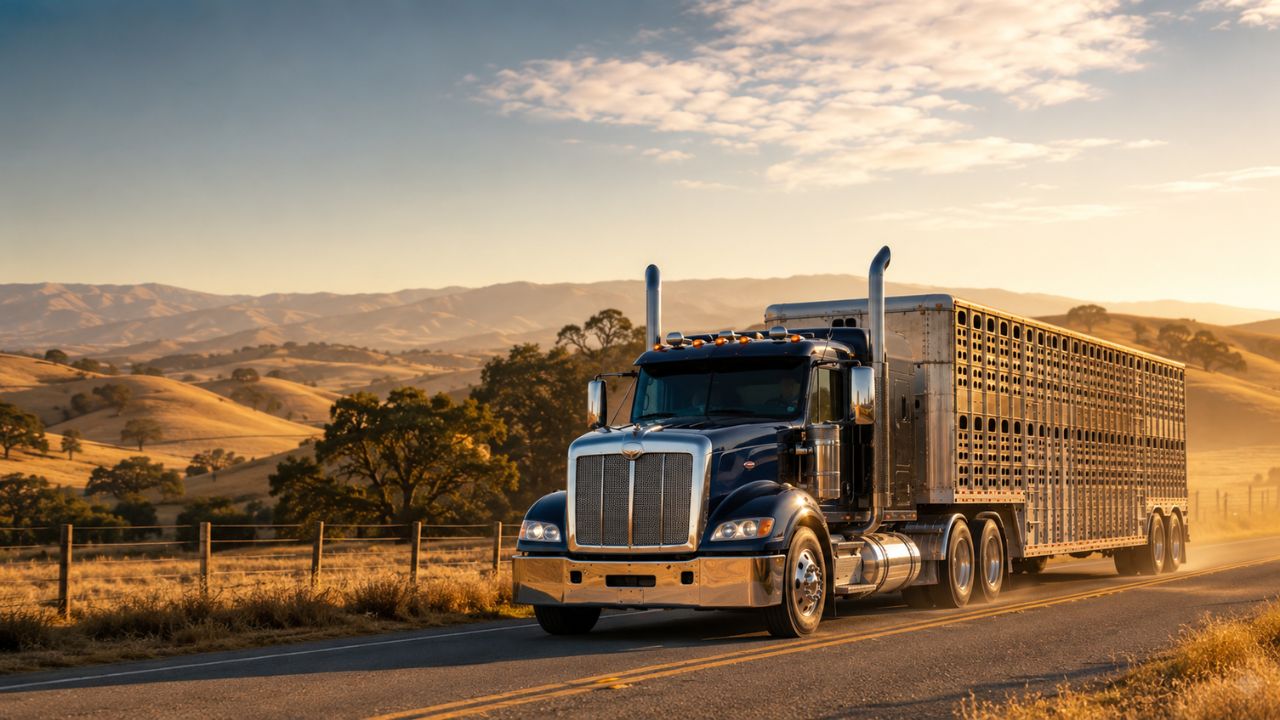
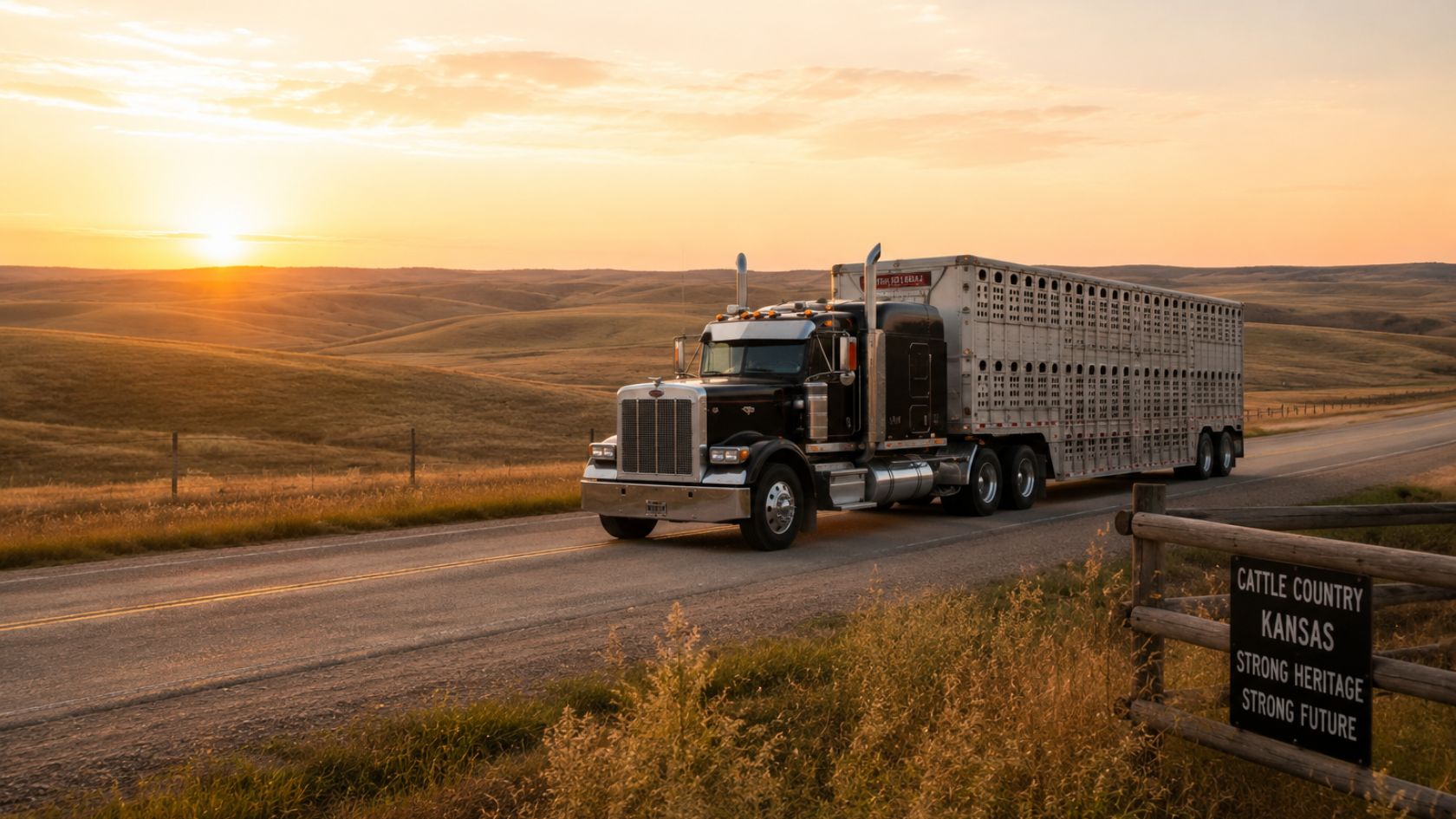
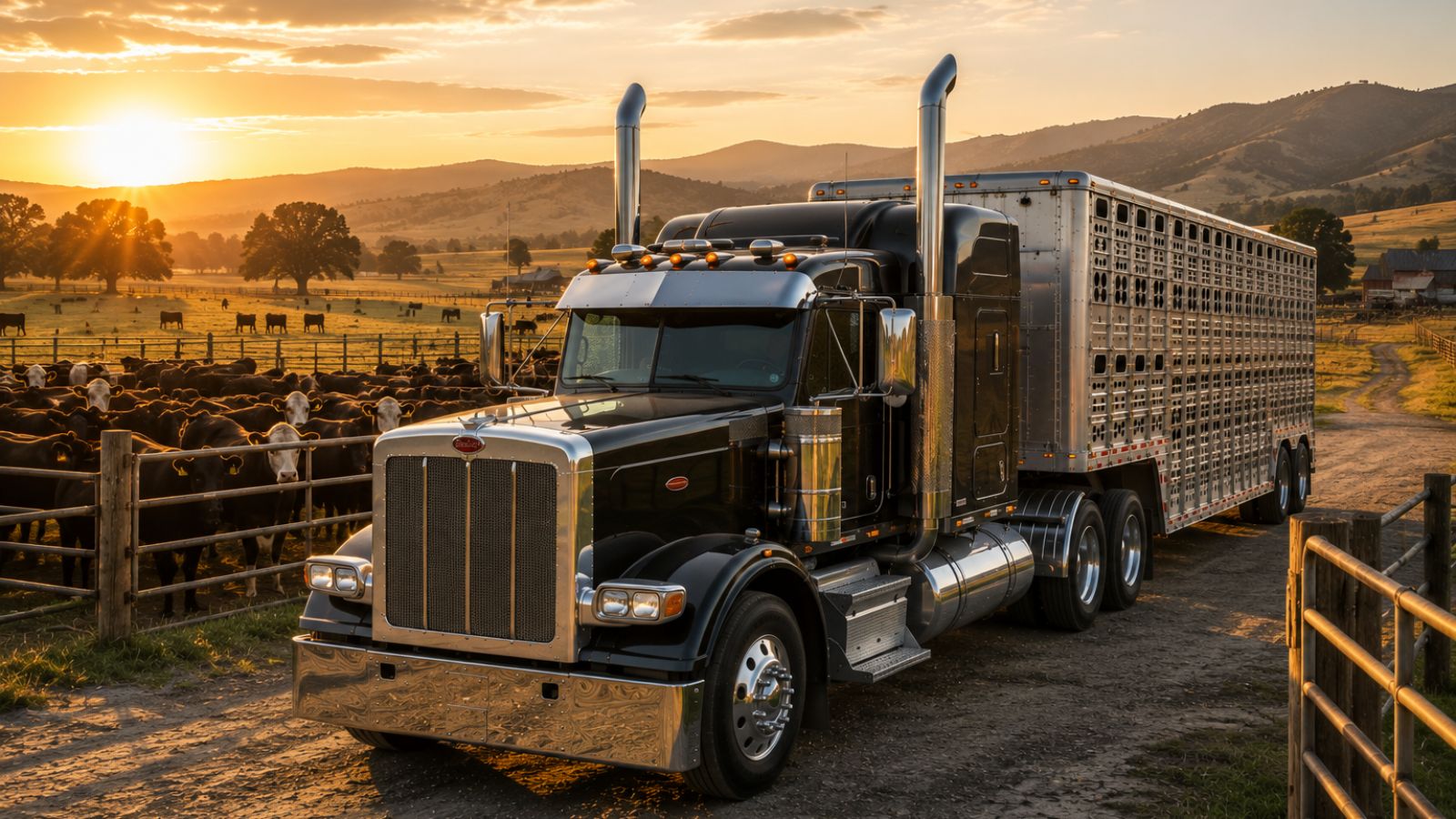
Oregon livestock haulers spend their days moving cattle, sheep, and other animals between ranches, livestock auctions, feedlots, and processing facilities. Livestock hauling insurance in Oregon needs to account for something ordinary freight insurance does not: the cargo is alive. For cattle haulers, the details inside the livestock cargo policy can make a major difference when an accident happens.
Whether you run one truck and livestock trailer or operate a larger fleet, your coverage should reflect the animals you haul, what they’re worth, where you operate, and the equipment you use.
The Biggest Insurance Risk for Oregon Livestock Haulers
One of the most important parts of a livestock trucking policy is the cargo coverage.
Many livestock cargo policies contain restrictive mortality provisions. For example, a policy may require an animal to die within a certain period after a covered accident, sometimes 24 hours, for the mortality loss to qualify.
That can create a serious problem.
Imagine a livestock trailer is involved in an accident. Several cattle survive the initial wreck but suffer serious injuries. Some die later or have to be handled differently because of their injuries. Whether those losses are covered depends on the exact wording of the cargo policy.
This is why livestock haulers should look beyond the dollar limit printed on the certificate of insurance.
Broader Livestock Cargo Coverage Can Help You Compete
The value of the animals you’re transporting matters.
A load of commercial cattle can represent a substantial cargo value. Registered breeding stock, seedstock, show cattle, and other high-value animals can increase that exposure considerably.
Higher livestock cargo limits and less restrictive mortality provisions can provide better protection for those loads.
Better coverage can also help when you’re trying to build relationships with livestock brokers, ranchers, and shippers. A customer handing you an expensive load wants to know there is adequate insurance behind the truck.
That can help your company compete for better loads and potentially generate more revenue.
Common Livestock Hauled in Oregon
Beef Cattle
Cattle hauling is an important part of Oregon’s agricultural transportation industry. Trucks move feeder cattle, breeding stock, and finished cattle between ranches and livestock facilities.
Sheep and Lambs
Oregon livestock carriers may also transport sheep and lambs between ranches, auctions, and other agricultural facilities.
Goats and Other Livestock
Depending on the operation, livestock trucking companies may transport goats and other animals that require specialized handling and trailer equipment.
Insurance Coverage for Oregon Livestock Trucking Companies
Commercial Auto Liability
Commercial auto liability covers covered bodily injury and property damage claims when your trucking company is legally responsible for an accident.
Your liability coverage should accurately reflect your actual operation, including where your trucks travel and what they’re hauling.
Livestock Cargo Insurance
Livestock cargo insurance is especially important because it addresses the value of animals in your care.
Don’t evaluate this coverage based solely on the limit. Review mortality requirements, exclusions, valuation provisions, deductibles, and how the policy treats animals injured during a covered accident.
Physical Damage
Physical damage coverage protects your tractor against covered collision and comprehensive losses. Livestock trucks can represent a significant investment, so make sure scheduled equipment values remain accurate.
Livestock Trailer Insurance
Aluminum livestock trailers and cattle pots can also be expensive to replace.
Physical damage coverage can be written to protect scheduled livestock trailers against covered losses such as collisions, theft, fire, and certain weather-related damage.
General Liability
General liability can address certain business liability exposures outside the operation of the truck itself. The coverage you need depends on what your company actually does at ranches, auctions, and customer facilities.
Oregon Livestock Hauling Has Its Own Challenges
Oregon livestock trucking can mean everything from rural ranch roads to mountain routes and interstate travel.
Weather can change quickly depending on elevation and season. Livestock haulers may encounter snow and ice in winter, hot and dry conditions during summer, steep grades, winding roads, and long distances between pickup and delivery points.
Those conditions make experienced drivers and well-maintained equipment particularly important.
A driver should also understand how a loaded livestock trailer behaves. Live cargo can shift inside the trailer, and smooth braking, turning, and acceleration are important for both vehicle stability and animal welfare.
DOT Safety Still Matters
Insurance companies don’t only look at what you’re hauling. They also look at how safely you’re operating.
Your DOT inspection history, driver records, accidents, vehicle maintenance violations, and overall loss history can affect your insurance options.
Pre-trip inspections are especially important on livestock equipment. Drivers should pay close attention to tires, brakes, lights, gates, latches, flooring, and other components before getting on the road.
A breakdown with a loaded livestock trailer creates a much bigger problem than a breakdown with an empty trailer.
What Affects the Cost of Livestock Hauling Insurance in Oregon?
Insurance pricing varies significantly between operations. Underwriters typically consider your number of trucks, equipment values, driver experience, operating radius, DOT history, previous claims, years in business, cargo limits, and the type and value of livestock hauled.
A one-truck owner-operator hauling commercial cattle locally has a different exposure than a fleet transporting high-value breeding animals across several states.
That’s why accurately describing your operation is important when getting quotes.