Grain Hauling Insurance in Georgia: What Truckers Need to Know
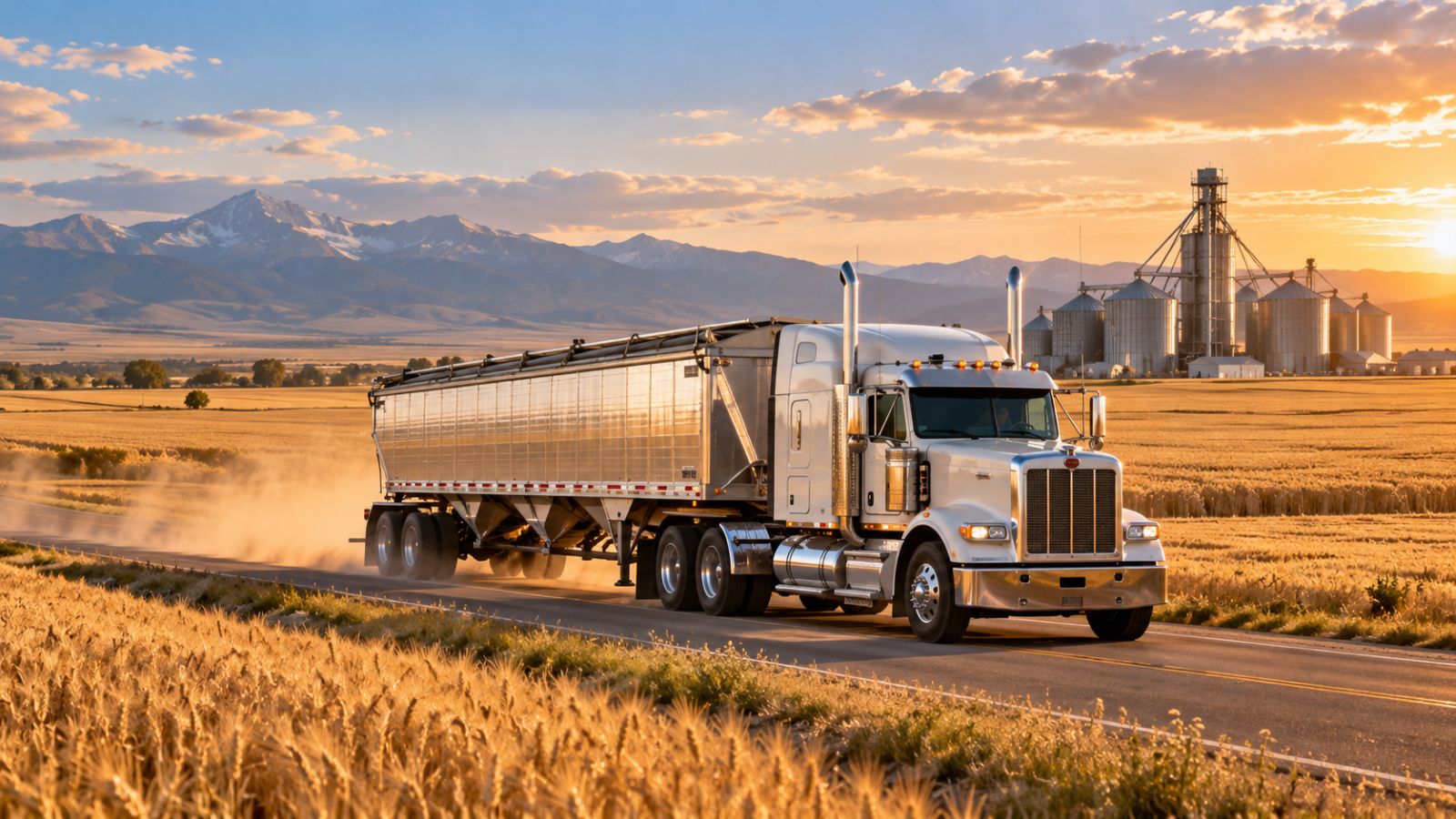
Grain hauling is an important part of Georgia agriculture. From corn and soybeans to wheat and feed ingredients, truckers move agricultural commodities between farms, elevators, feed mills, and processing plants. But grain hauling comes with real risks. A hopper bottom rollover, spilled load, or serious accident can cost thousands of dollars.Whether you operate one truck or manage a fleet, having the right grain hauling insurance in Georgia helps protect your business.
Here is what you need to know about coverage, farm exemptions, and common claims.
What Insurance Do Georgia Grain Haulers Need?
Grain hauling insurance is usually made up of several coverages.
Each protects a different part of your operation.
1. Commercial Auto Liability Insurance
Commercial auto liability helps pay for injuries and property damage you are legally responsible for after a covered accident.
For example, a loaded grain truck rear-ends another vehicle near a grain elevator. The resulting claim could involve medical expenses, vehicle repairs, and legal costs. Many brokers and agricultural customers require specific liability limits.
A $1 million auto liability limit is common in commercial hauling contracts, although legal requirements vary by operation.
2. Motor Truck Cargo Insurance
Motor truck cargo insurance helps protect the grain you transport against covered losses. This matters because commercial auto liability does not insure the grain inside your trailer.
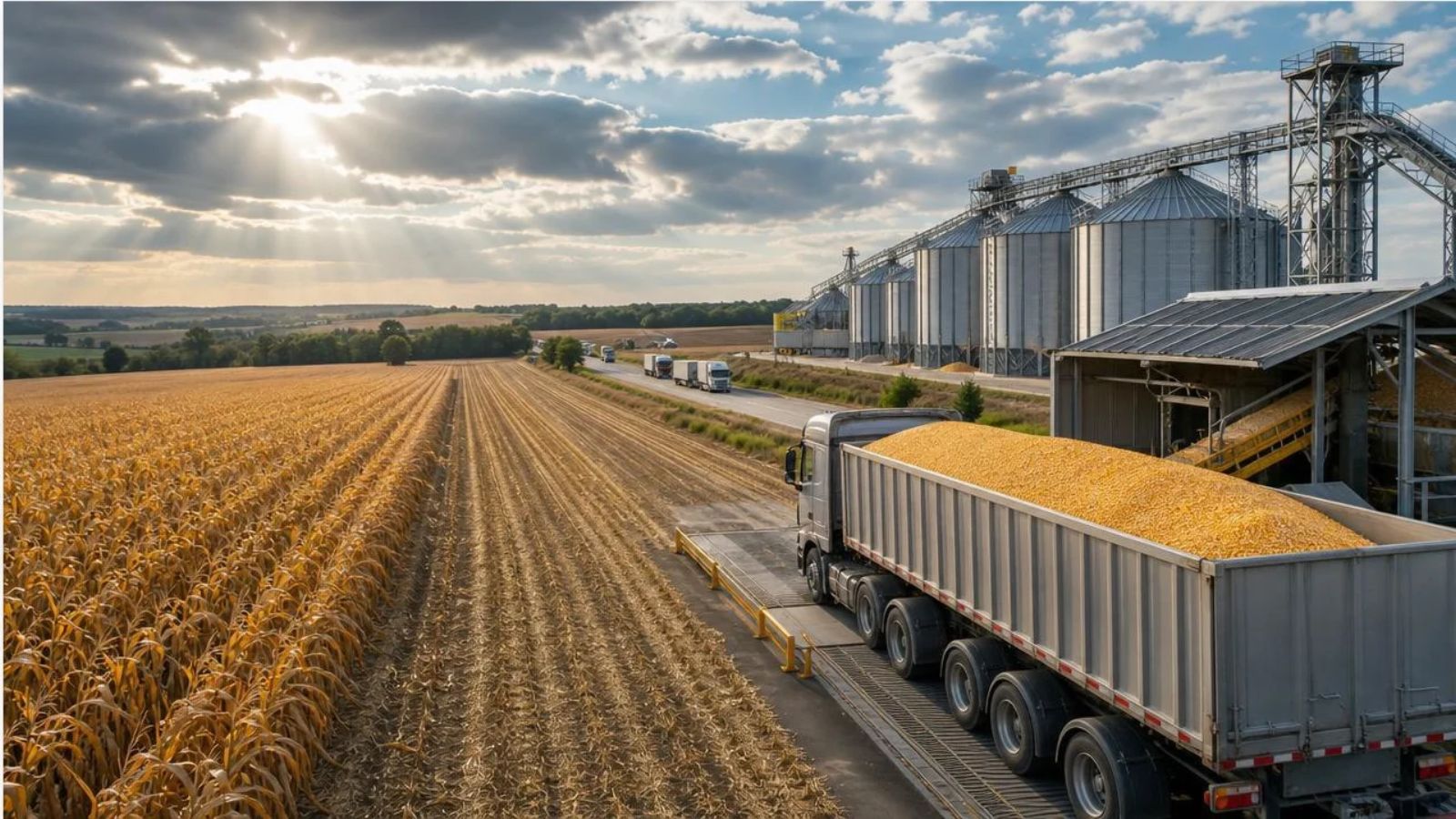
Example: A hopper bottom trailer overturns, spilling a load of corn onto the highway.
Cargo insurance may help pay for the lost grain if the cause of loss is covered.
However, cargo policies can have exclusions involving:
- Moisture damage
- Contamination
- Spoilage
- Improper loading
- Unexplained shortages
Ask your agent whether rejected loads and loading or unloading losses are covered.
3. Physical Damage Insurance
Physical damage coverage protects your insured tractor and trailer against covered losses. This may include collisions, rollovers, fire, theft, and certain weather damage. Hopper bottom trailers are expensive to repair, especially when the frame or discharge equipment is damaged.
Make sure every tractor and trailer is properly insured at an appropriate value.
4. Hired and Non-Owned Auto Liability
Some grain hauling companies use rented trucks or subcontracted drivers during harvest.
Hired and non-owned auto liability may help protect your business against certain liability claims involving vehicles you do not own. However, this coverage does not automatically insure subcontractors, borrowed vehicles, or their physical damage.
Review your contracts and insurance arrangements before using outside equipment.
5. General Liability Insurance
General liability helps protect against certain business-related claims outside the operation of your truck. Some elevators, feed mills, and processing facilities require proof of general liability coverage.
Keep in mind that accidents involving your truck generally fall under commercial auto liability.
6. Pollution Liability Coverage
A grain spill may require cleanup, especially if it creates a roadway hazard or reaches a drainage system. Fuel spills can also lead to environmental expenses.
Standard trucking policies may provide limited pollution-related protection, but not every cleanup expense is covered.
Ask your agent whether transportation pollution liability or another endorsement makes sense for your operation.
7. Workers’ Compensation Insurance
Georgia generally requires employers with three or more regularly employed workers to carry workers’ compensation, subject to statutory exceptions. Part-time workers may count toward this requirement.
Georgia also has special rules involving farm laborers and certain business owners. A trucking company hauling grain for hire should not automatically assume it qualifies for an agricultural exemption.
Review your employee classifications and coverage obligations carefully.
Does Georgia’s Farm Truck Exemption Apply to Grain Haulers?
This is one of the biggest questions for agricultural trucking businesses. Georgia recognizes covered farm vehicle rules based on federal law. Certain qualifying farm vehicles may receive exemptions from specific commercial driving requirements.
But these exemptions generally apply to vehicles operated by farmers, their family members, or employees for qualifying farm purposes.
Hauling grain for hire is different from transporting your own farm’s crops.
If you transport grain for other businesses in exchange for payment, you should not assume the covered farm vehicle exemptions apply. Depending on your operation, covered farm vehicle rules can affect CDL requirements, hours of service, and certain other motor carrier regulations.
Eligibility depends on the vehicle, its use, registration, operating area, and other conditions.
A covered farm vehicle may still be subject to applicable registration, vehicle safety, weight, and other requirements. Georgia operators should verify current designation and licensing requirements with the Georgia Department of Public Safety and Department of Driver Services.
Important: A farm vehicle exemption from certain DOT rules does not automatically provide an exemption from insurance requirements or guarantee coverage under a farm policy.
What Does Grain Cargo Insurance Actually Cover?
Grain cargo insurance is one of the most important parts of a grain hauling policy. A full load of grain can represent a significant financial responsibility. But not every type of loss is covered.
For example, imagine you deliver a load of soybeans to a Georgia grain elevator. The buyer rejects the load because of excess moisture. Your cargo policy may not pay simply because the load was rejected. The cause of the damage matters.
Before buying coverage, ask these questions:
- Does the policy cover grain lost in a rollover?
- Is water damage covered?
- What happens if grain becomes contaminated?
- Does coverage apply during loading and unloading?
- What is the maximum limit per load?
- Are there special exclusions for agricultural commodities?
Your cargo limit should reflect the highest-value load you normally transport.
Common Grain Hauling Claims in Georgia
Hopper Bottom Rollover
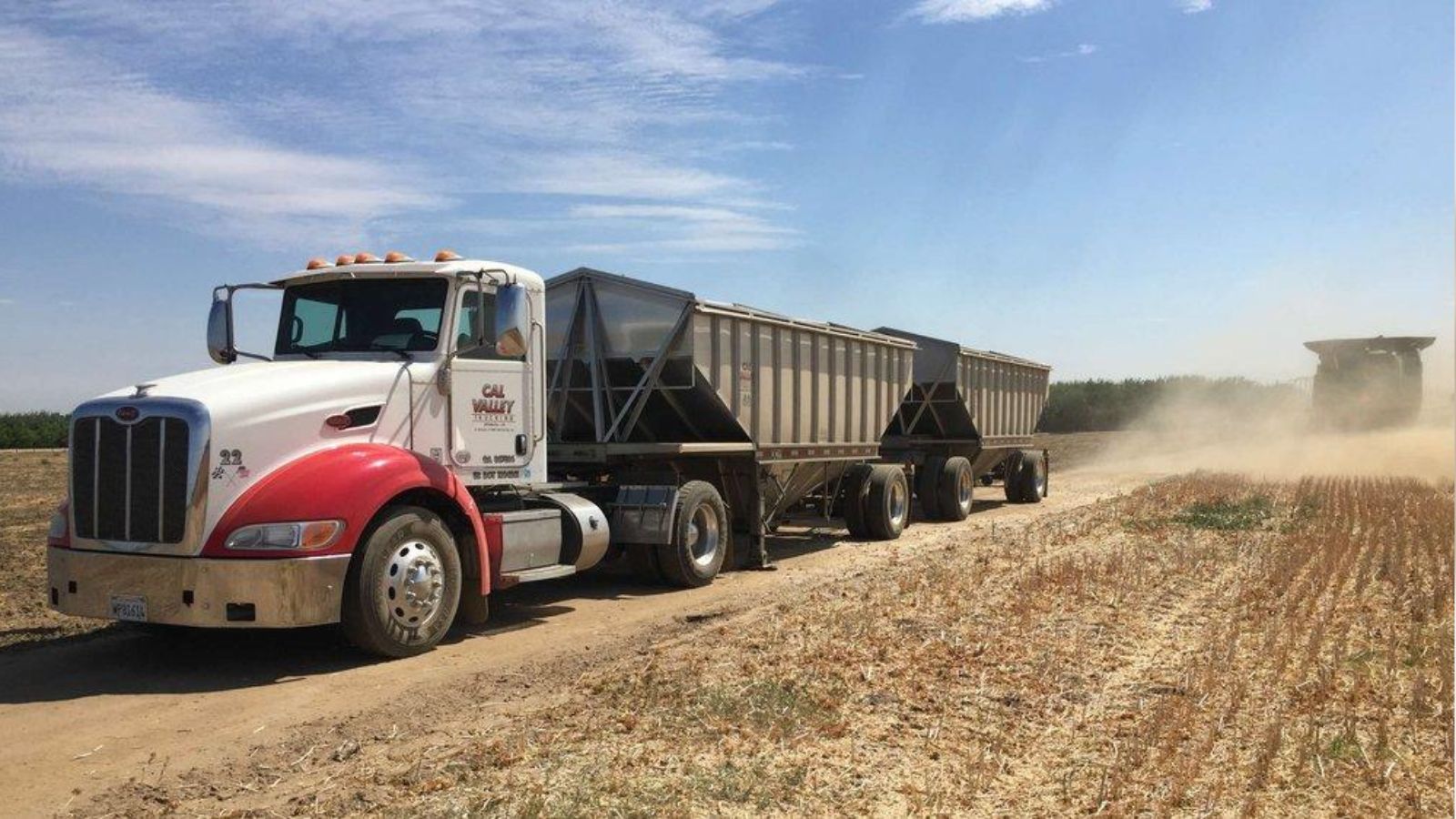
A driver enters a sharp turn too quickly on a rural road. The loaded hopper bottom trailer tips over, damaging the trailer and spilling grain. Physical damage coverage may address the truck and trailer. Cargo insurance may address the grain.
Auto liability may apply if the accident damages another person’s property.
Grain Spill During Unloading
A hopper gate opens unexpectedly at an elevator. Grain spills onto the ground, creating a cleanup expense and possible cargo loss.
Whether insurance responds depends on the cause of the spill and the policy’s loading and unloading provisions.
Rear-End Accident During Harvest
A grain truck approaches a line of trucks waiting to unload. The driver fails to stop in time and strikes another vehicle.
Commercial auto liability may address covered third-party injuries and property damage.
Moisture or Contamination Dispute
A buyer rejects a load because of moisture or contamination concerns. The trucking company may face a claim for the value of the grain. Cargo coverage depends on the cause of loss and policy wording.
Good documentation is important.
Keep scale tickets, load records, inspection notes, and photographs when appropriate.
Georgia Weather and Road Risks
Georgia grain haulers face several seasonal challenges.
Summer Heat
High temperatures can increase stress on tires and equipment. Check tire condition, inflation, brakes, and wheel components regularly.
Heavy Rain and Thunderstorms
Georgia storms can develop quickly. Rain can reduce visibility, create slippery roads, and expose grain to moisture if tarps or trailer seals are damaged.
Rural Roads and Farm Entrances
Soft shoulders, narrow turns, and uneven farm entrances can increase rollover risks. A loaded hopper bottom may handle differently from an empty trailer.
Drivers should take extra care when entering farms, elevators, and feed mills.
How Much Does Grain Hauling Insurance Cost in Georgia?
There is no single price for grain hauling insurance. Insurance companies consider the details of your operation.
Important factors include:
- Driver experience and driving records
- Years in business
- Accident and claims history
- Number of trucks and trailers
- Hopper bottom trailer values
- Grain cargo limits
- Operating radius and interstate routes
- Coverage limits and deductibles
- Seasonal or year-round operations
A new owner-operator hauling grain locally may have different insurance costs than an established fleet transporting agricultural commodities across several states.
If you only operate during harvest, ask your agent about insurance options for seasonal equipment use.
Do not remove required coverage while trucks are still operating.
Common Insurance Mistakes Georgia Grain Haulers Make
Assuming Farm Insurance Covers For-Hire Trucking
A farm policy may not properly cover a trucking business hauling grain for other people. Make sure your policy reflects your actual operation.
Carrying Too Little Cargo Insurance
Grain prices change.
Review your cargo limits before harvest and when hauling higher-value commodities.
Forgetting to Add Seasonal Drivers
Harvest operations often require additional drivers. Notify your insurance company when drivers are added.
Not Insuring Every Hopper Bottom Trailer
Make sure owned, rented, and borrowed trailers have the appropriate coverage.
Ignoring Contract Requirements
Grain elevators, brokers, and processors may require specific limits or insurance certificates. Review these requirements before accepting loads.
How to Reduce Grain Hauling Risks
Good operating habits can help prevent expensive claims.
Inspect hopper gates. Make sure discharge doors and latches are properly secured.
Maintain trailer tarps. Check for tears, damaged seals, and loose components.
Watch vehicle weights. Overloading can create safety problems and DOT violations.
Train seasonal drivers. Review safe turning, braking, loading, and unloading procedures.
Keep maintenance records. Document inspections and repairs.
Review coverage before harvest. Update equipment, drivers, routes, and cargo limits.