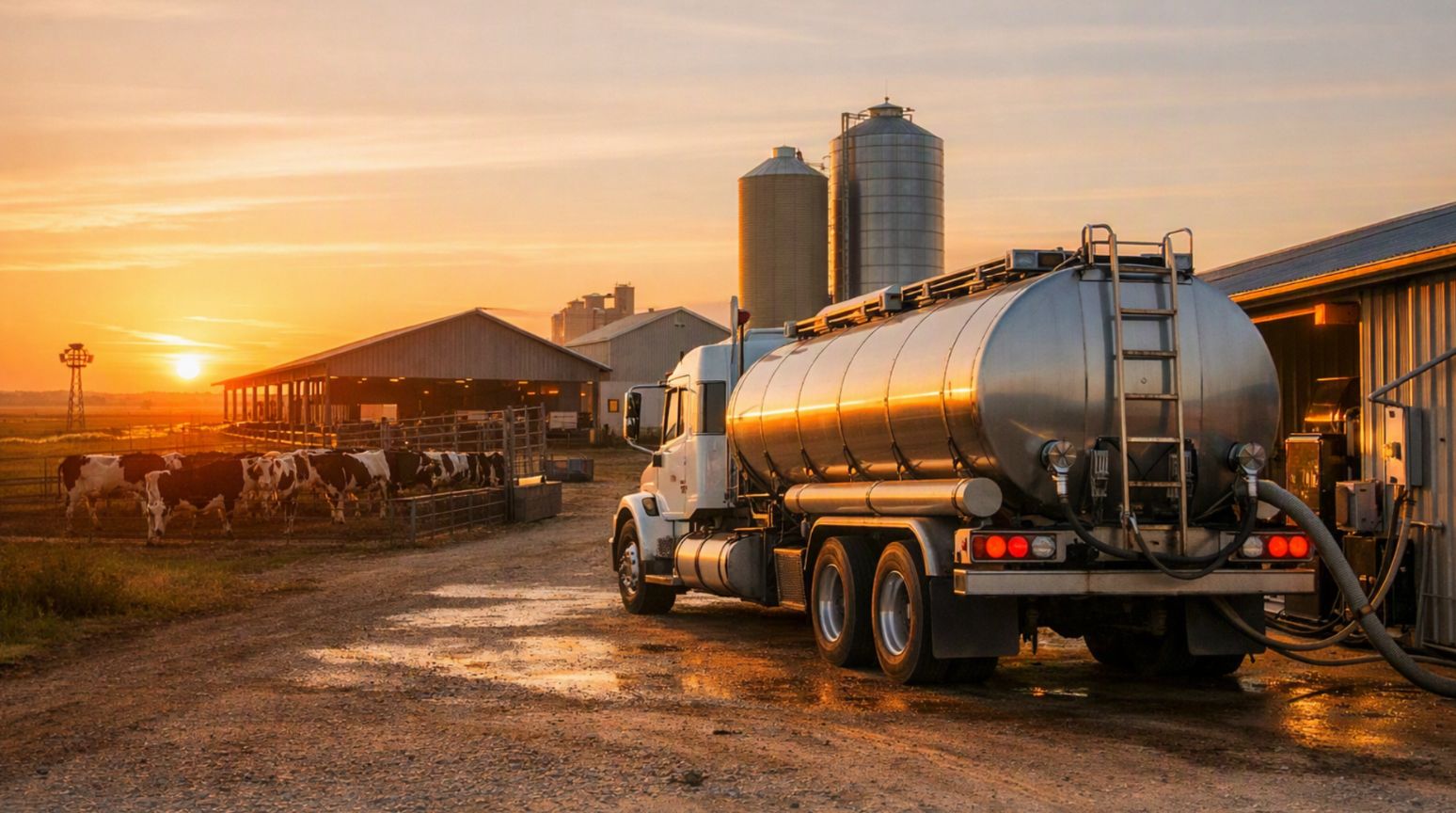
Milk Hauling Insurance in Kansas: Coverage for Dairy and Tanker Trucking Companies
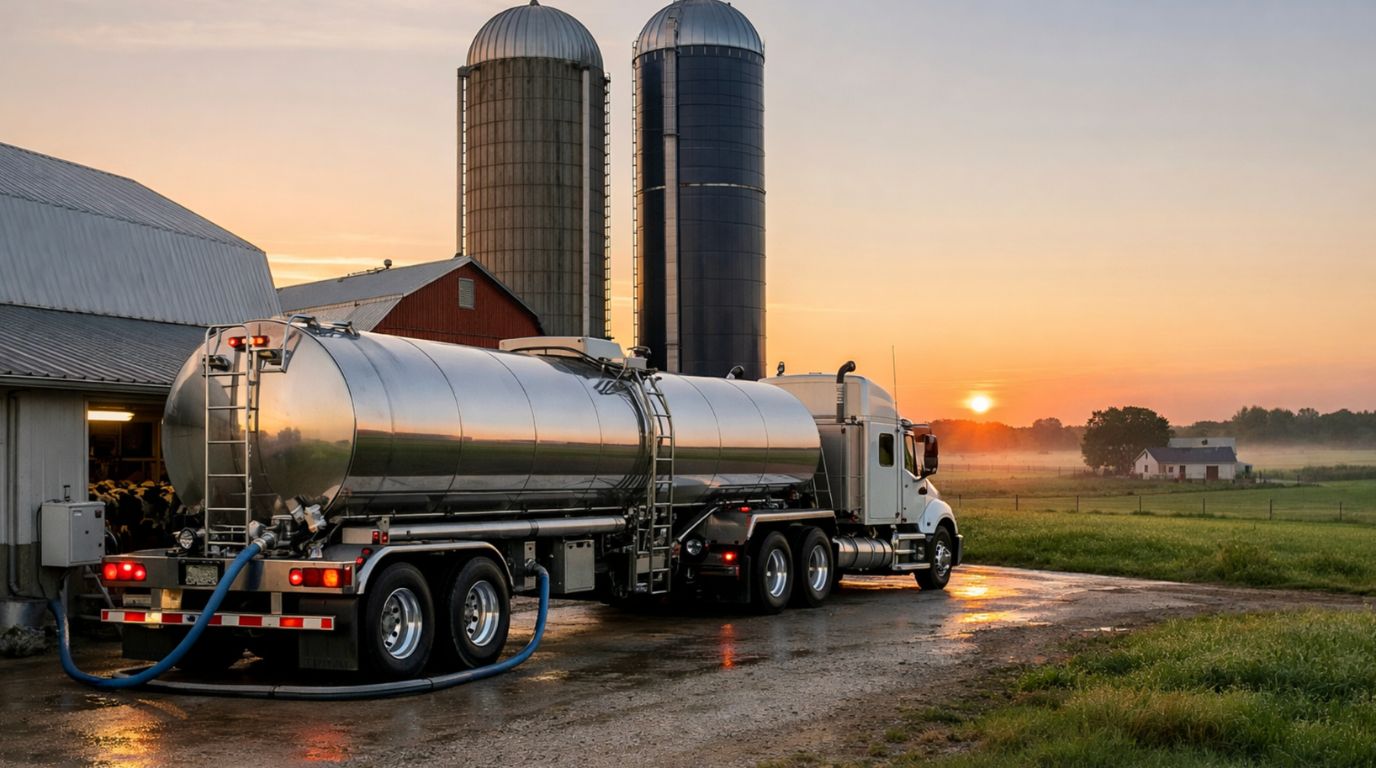
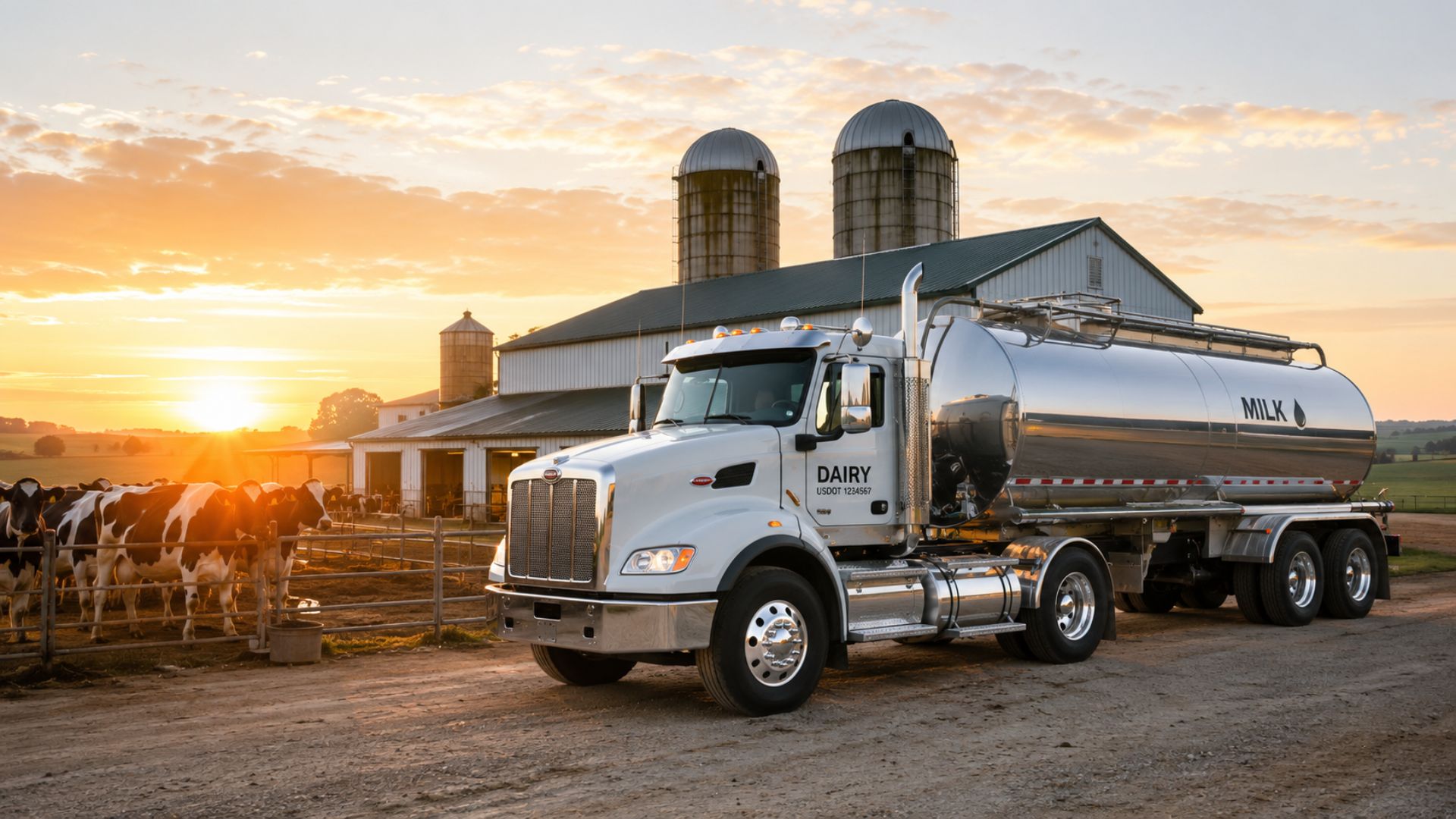
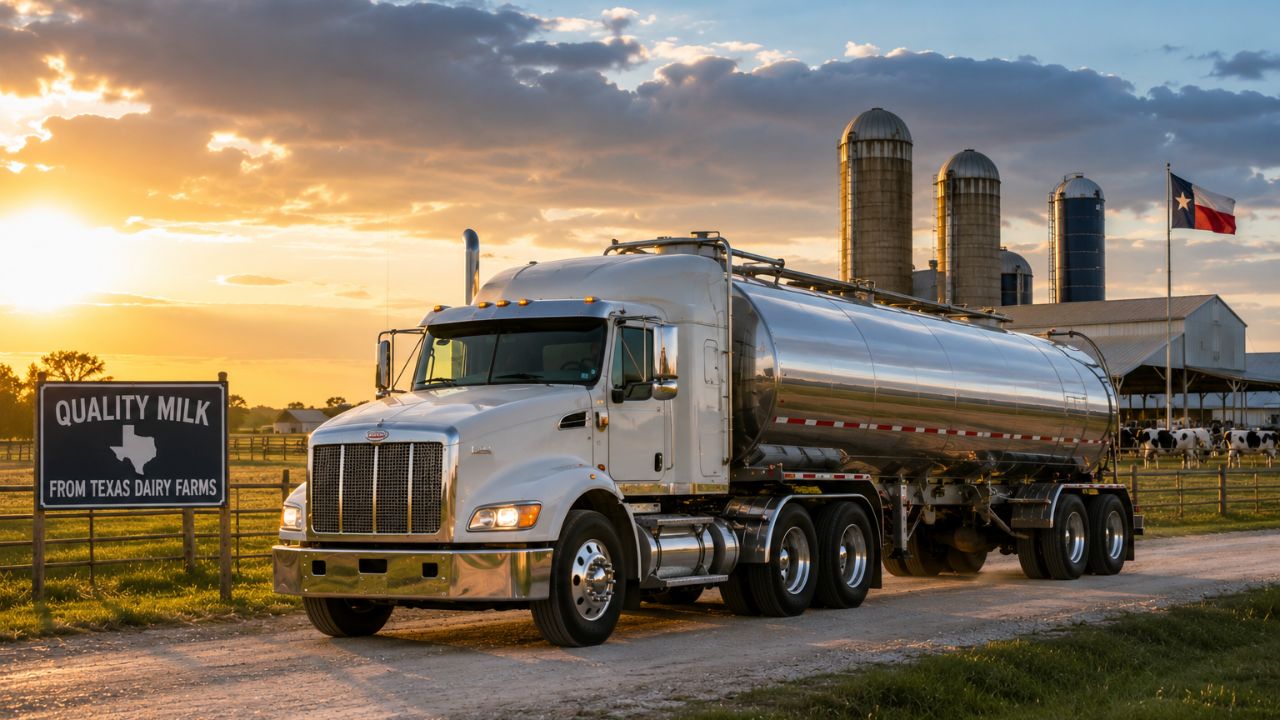
Kansas dairy farms and processors depend on milk haulers to keep raw milk moving every day. For trucking companies handling this specialized agricultural freight, milk hauling insurance in Kansas needs to account for expensive tanker equipment, perishable cargo, contamination concerns, and the risks of operating loaded tankers on rural roads and highways.
Whether you operate one milk tanker or manage a fleet serving dairies across Kansas and neighboring states, your insurance should match how your operation actually works.
Why Milk Hauling Creates Unique Insurance Risks
Milk isn’t like hauling dry freight or grain. Raw milk is a perishable food product that must be handled carefully from the time it’s collected at the dairy until it reaches the processor.
If a tanker overturns, experiences contamination, or is involved in a serious accident, the loss can go well beyond damage to the truck. An entire load of milk may be rejected or lost.
One of the biggest mistakes a milk hauler can make is assuming every cargo policy covers these situations the same way. Spoilage, contamination, temperature changes, equipment breakdown, and rejected loads may be treated differently depending on the policy.
Common Milk Hauling Operations in Kansas
Dairy Farm Pickups
Milk haulers regularly pick up raw milk directly from Kansas dairy operations and transport it to processing facilities. Routes may include multiple pickups and strict delivery schedules.
Long-Distance Milk Transportation
Kansas milk haulers may travel significant distances between dairy farms and processing facilities. Some operations also cross state lines into Nebraska, Oklahoma, Colorado, Missouri, and other nearby states.
Longer routes increase mileage and road exposure, making proper commercial auto and cargo coverage especially important.
Dedicated Dairy Routes
Many milk haulers operate scheduled routes for dairies, cooperatives, or processors.
Unlike seasonal agricultural commodities, milk must keep moving throughout the year. Weekends, holidays, winter storms, and summer heat don’t stop milk production.
Essential Insurance Coverage for Kansas Milk Haulers
Commercial Auto Liability
Commercial auto liability helps protect your business when a covered accident results in bodily injury or property damage to someone else.
Loaded milk tankers are heavy commercial vehicles, so carrying appropriate liability limits is an important part of protecting your operation.
Physical Damage Coverage
Tractors and stainless-steel milk tankers can represent a major investment.
Physical damage insurance can help pay for covered damage caused by collisions, fire, theft, vandalism, and certain weather events.
Make sure your truck and trailer values are updated as equipment costs change.
Motor Truck Cargo Insurance
Cargo coverage is one of the most important areas for milk haulers to review carefully.
A standard motor truck cargo policy may not automatically cover every situation that causes a load of raw milk to be rejected.
Ask specifically how your policy handles contamination, spoilage, temperature changes, overturns, equipment failure, and cleanup or disposal expenses.
The details in the policy matter just as much as the cargo limit shown on the certificate of insurance.
Milk Tanker Trailer Coverage
Food-grade stainless-steel tanker trailers are specialized and expensive equipment.
Your physical damage coverage should properly account for the value of each tanker and any permanently attached equipment that needs to be insured.
General Liability
General liability can provide protection for certain claims arising from business activities outside normal vehicle operation.
The coverage needed depends on what your drivers do at dairy farms, customer locations, and other facilities.
Pollution Liability
A tanker spill can create more than a cargo loss. Depending on where and how a spill occurs, cleanup, disposal, or environmental response costs may become an issue.
Milk haulers should discuss pollution liability with an insurance professional rather than assuming every cleanup expense is automatically covered under commercial auto or cargo insurance.
Kansas Driving Risks for Milk Tanker Operations
Kansas milk haulers deal with rural roads, long distances, high winds, severe thunderstorms, winter weather, and changing road conditions.
Tanker trucks also handle differently than trucks hauling dry freight. Liquid cargo moves inside the tank, which can affect vehicle handling, braking, and stability.
Driver experience is especially important when operating loaded tankers. Strong hiring practices, regular equipment maintenance, and a good DOT safety record can also affect insurance availability and cost.
What Affects the Cost of Milk Hauling Insurance?
Insurance companies look at the entire operation when determining premiums.
Important factors include the number of trucks and tankers, equipment values, driver experience, operating radius, DOT safety history, previous claims, years in business, annual mileage or revenue, and requested coverage limits.
Cargo exposures also matter. An insurer needs to understand that you’re hauling raw milk rather than simply listing the operation as general freight.
Why Specialized Milk Hauling Insurance Matters
Milk hauling has risks that don’t fit neatly into a standard general freight policy.
You’re dealing with specialized tanker equipment, perishable cargo, strict delivery schedules, dairy farm pickups, and potential contamination or rejected-load claims.
Working with an insurance agency that understands agricultural trucking can help identify coverage gaps before a loss occurs.