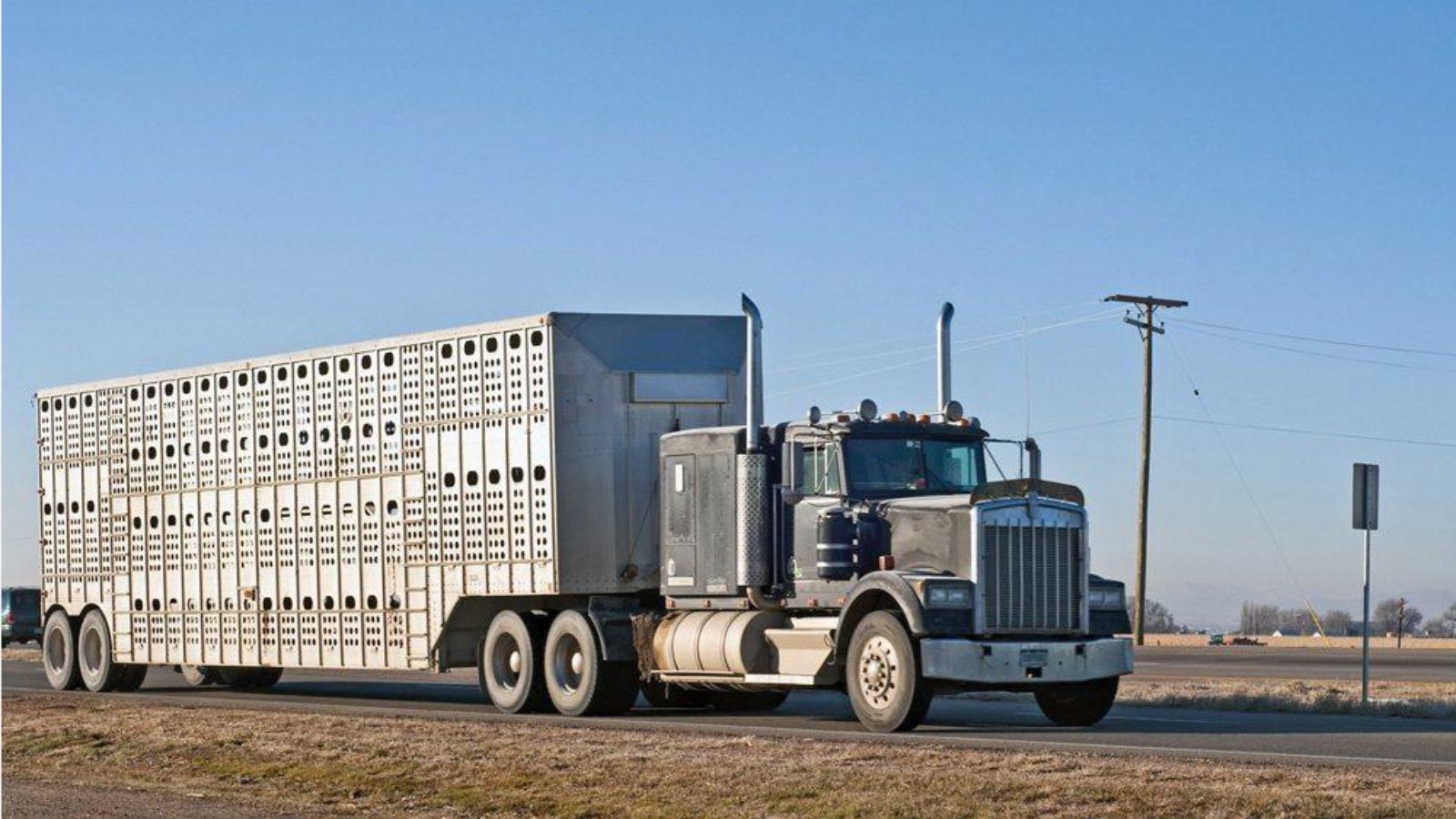
Livestock Hauling Insurance in Georgia
Hauling livestock in Georgia comes with risks that ordinary freight haulers don’t deal with.
You’re transporting live animals. They can shift during transit, get injured while loading, or suffer from heat stress when a truck is delayed.
One accident can damage your tractor, livestock trailer, and the animals you’re hauling.
That’s why livestock hauling insurance in Georgia needs to account for more than the truck itself.
Whether you’re hauling cattle to a sale barn, transporting calves between farms, or running livestock loads across state lines, your insurance should match the way you operate.
What Insurance Do Georgia Livestock Haulers Need?
The coverage you need depends on your equipment, operating authority, and whether you haul your own livestock or transport animals for other people.
Commercial Auto Liability Insurance
Commercial auto liability helps pay for covered injuries or property damage you cause to other people in an accident.
For example, if your cattle truck rear-ends another vehicle near Macon, liability insurance may help cover the other driver’s damages.
The required limits depend on your operation and applicable state and federal rules.
Livestock Cargo Insurance
Livestock cargo insurance is especially important for cattle haulers.
It may provide coverage when animals are injured or killed during a covered transportation accident.
However, not every cargo policy covers live animals.
Some policies exclude livestock entirely. Others have special conditions, per-animal limits, mortality restrictions, or exclusions for heat stress and other causes of loss.
Ask your agent exactly what happens if cattle die after a rollover or trailer accident.
Livestock Trailer Physical Damage Insurance
Livestock trailers are expensive to repair or replace.
Physical damage insurance can help protect your trailer against covered losses such as collisions, overturns, theft, and certain weather damage.
This is important for both aluminum livestock trailers and larger cattle pots.
Check whether your trailer is scheduled on your policy and whether its insured value reflects the equipment you own.
Tractor Physical Damage Insurance
Your tractor is another major investment.
Collision and comprehensive coverage can help pay for covered damage to your truck, subject to deductibles and policy terms.
A serious rollover can leave both your tractor and livestock trailer out of service.
Common Livestock Hauling Claims in Georgia
Livestock hauling accidents can become expensive quickly.
Here are three situations Georgia cattle haulers should think about.
Cattle Trailer Rollover on a Rural Road
A loaded cattle truck takes a curve too quickly on a narrow rural highway.
The trailer rolls onto its side, injuring several animals and damaging the trailer.
Commercial auto physical damage may respond to covered equipment damage.
Livestock cargo coverage may respond to covered animal losses, but the policy’s mortality conditions, limits, and exclusions matter.
Heat Stress During a Summer Delay
Georgia summers bring high temperatures and humidity.
Imagine a livestock truck breaks down during a hot afternoon with cattle inside the trailer.
The animals begin showing signs of heat stress while the driver waits for assistance.
Not all livestock cargo policies cover losses caused by heat, delay, or mechanical breakdown.
This is a coverage question worth asking before summer hauling season.
Loading Injury at a Sale Barn
A calf is injured while being loaded into a livestock trailer.
Whether insurance responds may depend on who was responsible for the animal, when the loss occurred, and whether loading and unloading are included in the cargo coverage.
Don’t assume every animal injury is automatically insured.